Australia Sydney + Great Barrier Reef
11DFrom ₹2,85,000
A 6-day luxury trip to Neiafu, Tonga, taking in Ha'apai reefs, Late Island volcano, Ovaka island and Kenutu island.
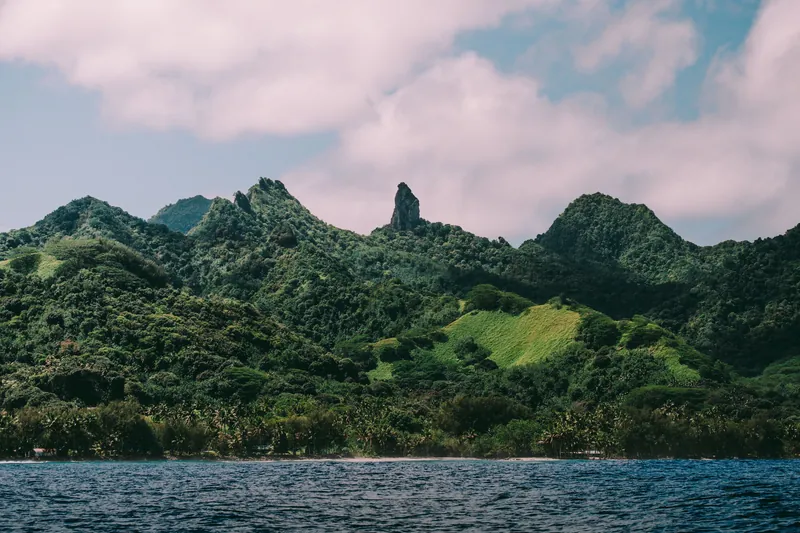
Vava'u Whale Watch Islands opens on Ha'apai, a chain of 51 volcanic and coral islands, islets, reefs and shoals lying directly west of the Tonga Trench between Tongatapu to the south and Vava'u to the north. Seventeen of its islands are inhabited, with a combined population of around 5,400 centred on Pangai, the district capital on the island of Lifuka, and traces of Lapita-culture settlement dating back to around 1500 BC have been found across the group. The islands were named the Friendly Islands by Captain James Cook, who made several stops here in 1774 and 1777 and was received on one visit by Fatafehi Paulaho, the Tu'i Tonga, the most venerated chief in the islands at the time. The archipelago's highest point, the volcanic island of Kao, rises almost 1,050 metres above the sea and stands as the tallest peak anywhere in the Kingdom of Tonga, visible for a considerable distance across the surrounding chain of low coral islands where most of Ha'apai's population actually lives.
From Ha'apai the route continues to Late Island, an uninhabited volcanic island some 55 kilometres south-west of Vava'u along the Tofua volcanic arc. Roughly six kilometres wide, Late rises 1,500 metres from the sea floor to a conical summit 540 metres above sea level, its crater holding an ephemeral lake and a partially submerged, saltwater-filled pit crater on its north-eastern flank. First sighted by the Spanish naval officer Francisco Mourelle de la Rúa in 1781 and explored six years later by the French navigator Jean-François de La Pérouse, the island has recorded only two eruptions in historical time, both from vents on its north-eastern flank. British naval officer Edward Edwards visited and named the island Bickerston during his 1791 voyage, and as recently as August 2019 a large raft of floating volcanic pumice was discovered drifting just north-east of Late, a reminder of the ongoing volcanic activity along this stretch of the Tofua arc.
The trip continues north into the Vava'u group itself to the island of Ovaka, 2,800 metres long and home to a small namesake village on its north-east coast with a population of 96 as of the 2021 census. Among its notable residents was Salesi Liu, one of six sons of high-ranking chiefs chosen to accompany Prince Viliami Tungī Mailefihi to Newington College in Sydney and to assist the missionary James Egan Moulton in translating the Bible into Tongan in 1896, a connection commemorated in the naming of later generations of the same family.
The final stop, Kenutu, is a privately owned island off Vava'u belonging to the Afuha'amango family, gifted to their ancestor by the King of Tonga in gratitude for military victories won on the king's behalf. Uninhabited today but visited by people from neighbouring communities, Kenutu sits among a scatter of smaller islands and islets, including Umuna, Faioa, Lolo and Mafana, that make up the outer reaches of the Vava'u group.
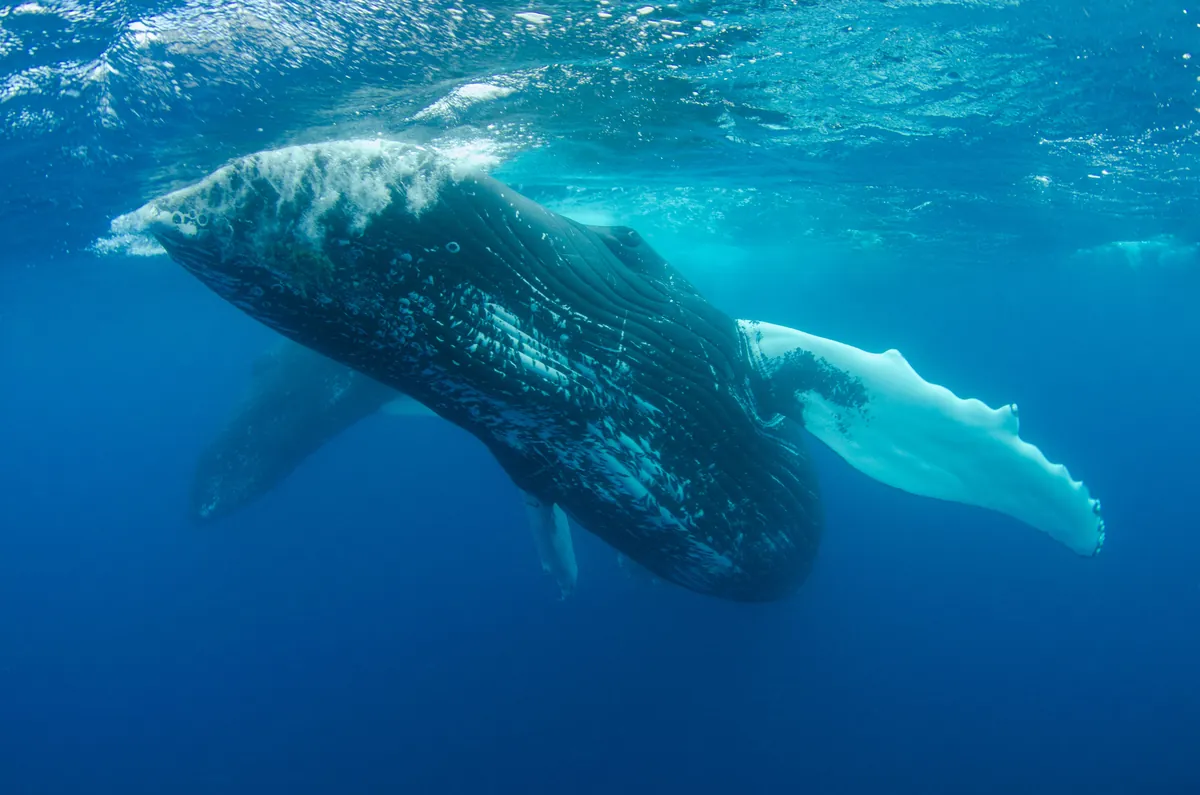
Over six days the pack moves through the Vava'u archipelago's waters — from the reef-strewn Ha'apai group, past the volcanic cone of Late Island, into the inhabited outer islands of Ovaka and privately held Kenutu — tracing the same island chains where humpback whales gather each year between the islands of northern Tonga.
Text adapted from the linked articles under CC BY-SA 4.0; edited for length.
Every dimension the Taro team tags this pack with — filter by any of these on the packs page.
Share your travel month, group size, budget comfort, and must-do experiences. The Taro team will shape the right route before any payment conversation.