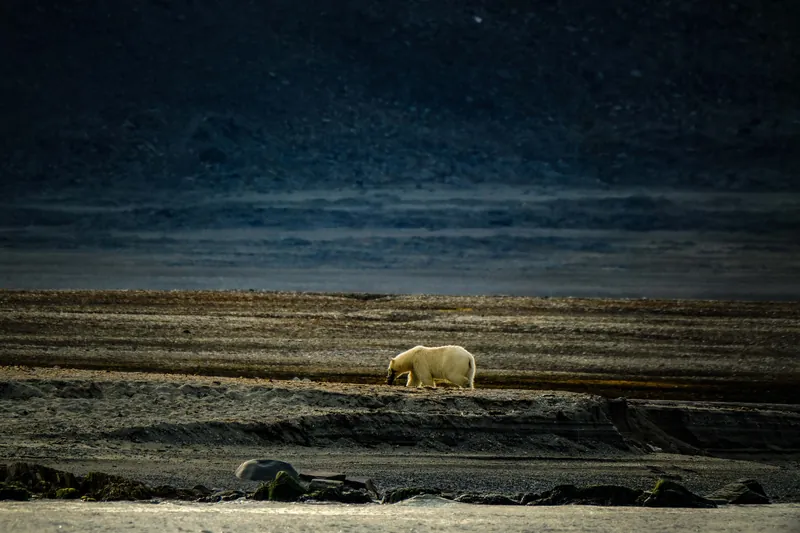
Arctic Svalbard Polar Bears
8DFrom ₹6,85,000
Madrid + Barcelona + Lisbon + Porto, food and wine focused.
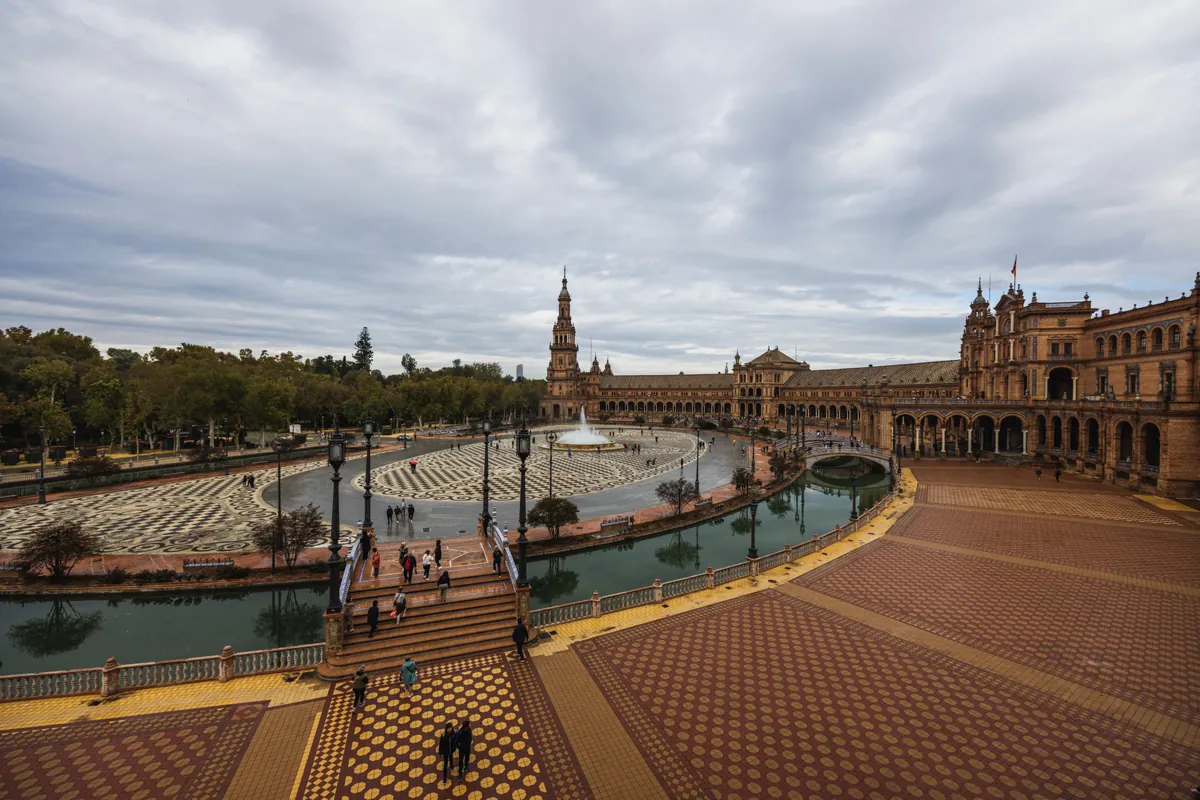
This food trail opens in Madrid, Spain's capital, with a tapas crawl through a city whose culinary tradition takes its name from the Spanish verb tapar, "to cover." One popular account traces tapas to King Alfonso X of Castile, who in the thirteenth century is said to have recovered from an illness by taking wine with small dishes between meals and later required taverns to serve a snack alongside every glass of wine; another, more modern telling has King Alfonso XIII being served a glass of wine in Cádiz covered with a slice of cured ham to keep out blowing sand, prompting him to order another "con la tapa," with the cover. Whatever their true origin, tapas have absorbed centuries of outside influence, from the olive cultivation and irrigation the Romans introduced after invading the Iberian Peninsula in 218 BC to the tomatoes, peppers, and potatoes that arrived from the Americas and took quickly to Spain's varied microclimates; the northern city of Valladolid has hosted a national tapas competition every November since 2005, later expanded into an international contest for culinary students from around the world.
The trail continues to Barcelona, Catalonia's capital on Spain's northeastern coast, home to 1.7 million people within city limits and around 5.7 million across its wider urban area, for a pintxo crawl of Basque-style snacks. Pinchos, or pintxos, take their name from the Spanish for "spike," the toothpick used to fasten a topping to a slice of bread, a practice that also lets bartenders track how many a customer has eaten; typically served with a small glass of the young white wine txakoli or a small beer called zurito, pinchos are treated in the Basque Country and Navarre as a cornerstone of local social life rather than a mere snack. Common toppings in Basque pinchos include hake, cod, and anchovy, along with tortilla de patatas, stuffed peppers, and croquettes, and bartenders in the region sometimes use toothpicks of different shapes or sizes to distinguish one variety from another, letting a bar tally what a customer has eaten just by counting sticks left on the plate.
Crossing into Portugal, the trail reaches Lisbon for ginjinha, a liqueur made by infusing sour Morello cherries in aguardente spirit with sugar, cloves, and cinnamon, traditionally served as a shot with a piece of the fruit left in the cup. The drink is credited to Francisco Espinheira, a Galician friar at the Church of Santo António, whose recipe launched the Ginjinha bar at Praça de São Domingos, still trading today alongside other Lisbon institutions such as Ginjinha Sem Rival, open since 1890; some 150,000 litres of ginjinha are produced each year, with about 90 percent consumed within Portugal itself.
The trail closes in Porto's port wine cellars in Vila Nova de Gaia, tasting the fortified wine of the Douro Valley whose export to England dates to 1678, when a Liverpool wine merchant's representatives were served a smooth, sweetened wine by the Abbot of Lamego and shipped a whole consignment home. Port's popularity in England grew further after the 1703 Methuen Treaty lowered import duties at a moment when war with France had cut off French wine, and the British families who built the trade left their names on port houses still active today, including Cockburn, Croft, Dow, Graham, and Taylor, alongside Dutch and German shippers such as Niepoort and Burmester.
On documentation, this trip typically involves an online e-visa arranged ahead of travel — treat that as a planning signal only, and verify exact, current requirements with the relevant embassy or consulate before booking. It runs 11 days, from ₹1,75,000 per person.
Every dimension the Taro team tags this pack with — filter by any of these on the packs page.
11 days across Spain and Portugal, starting from ₹1,75,000 per person.
Suited to Couples and Friends, with a suitable option for families and a moderate activity level.
This trip sits in the e-visa complexity band — usually arranged online ahead of travel. Always confirm exact, current requirements with the relevant embassy or consulate before booking — this is a planning signal, not a legal statement.
Share your travel month, group size, budget comfort, and must-do experiences. The Taro team will shape the right route before any payment conversation.

