Arctic Svalbard Polar Bears
8DFrom ₹6,85,000
Sagrada Familia, Alhambra, flamenco evenings.
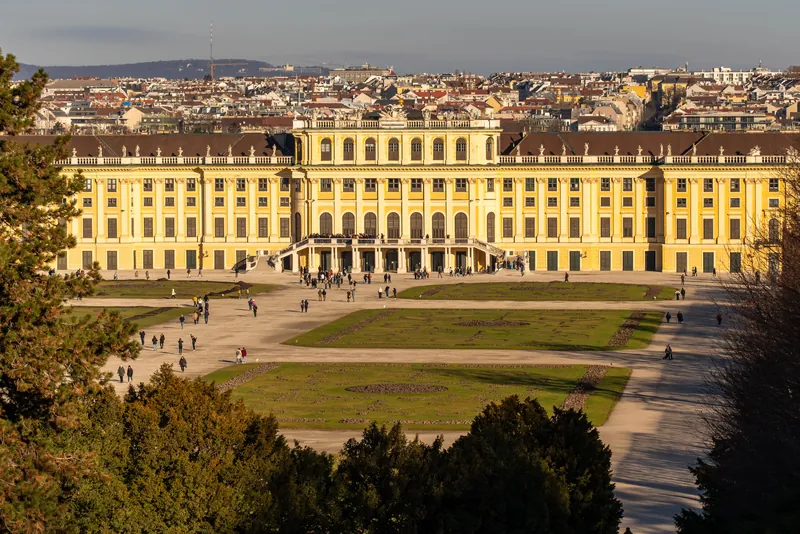
This trip opens in Madrid, Spain's capital and largest city, with more than 3.4 million residents in the city proper and a metropolitan population of about 6.8 million, on the River Manzanares at roughly 660 metres above sea level. Its primitive core was a walled military outpost of the ninth-century Emirate of Córdoba, built by the Umayyad Emir Muhammad I to help protect Toledo from Christian attacks, before Alfonso VI of León and Castile seized it in 1083 during the wider campaign to conquer the Taifa of Toledo; Madrid became the permanent seat of the Hispanic Monarchy's court after 1561.
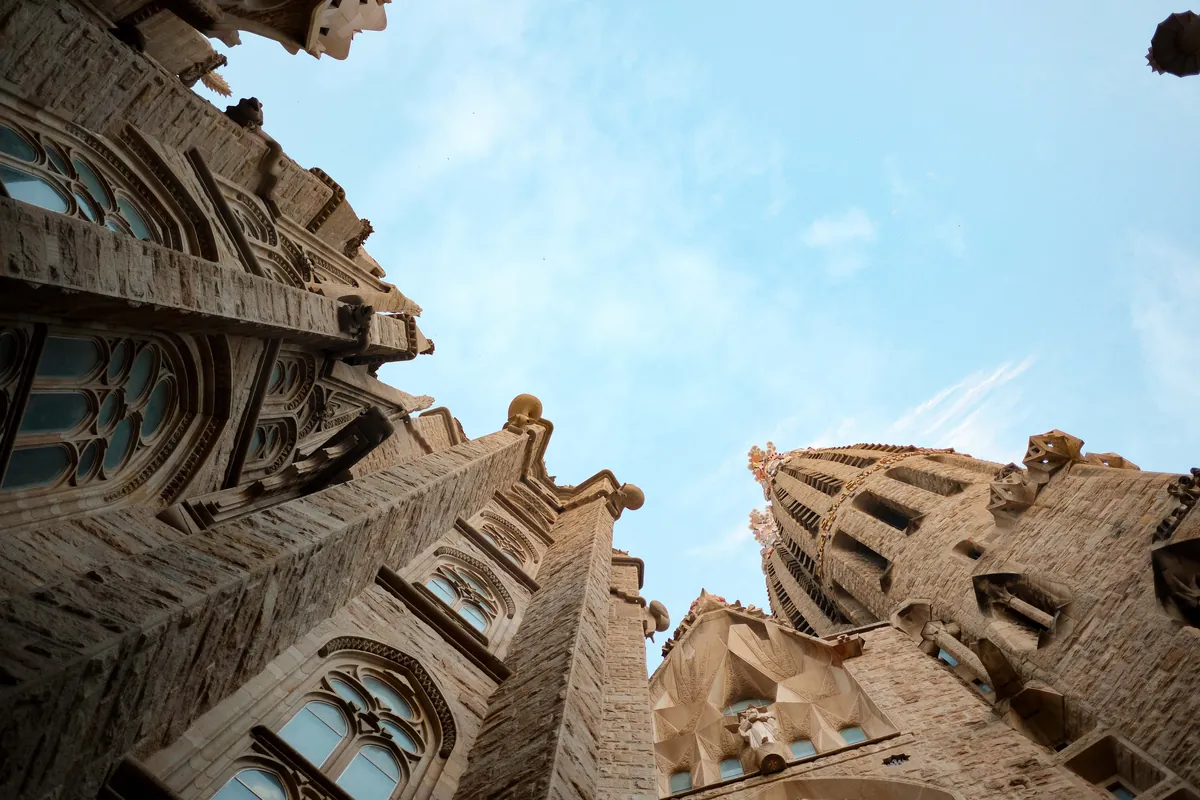
The trip continues to Barcelona for the Sagrada Família, a Catholic church in the Eixample district and the tallest church in the world, still under construction more than a century after work began on 19 March 1882 under architect Francisco de Paula del Villar. Antoni Gaudí took over as chief architect in 1883, reworking the design into his own blend of Gothic and curvilinear Art Nouveau forms and devoting the rest of his life to the project; at his death in 1926 less than a quarter of the building was complete, and construction, funded entirely by private donations, was later interrupted by the Spanish Civil War, when anarchists destroyed parts of the unfinished basilica along with Gaudí's models and workshop. Pope Benedict XVI consecrated the church as a basilica in 2010, and parts of it were named a UNESCO World Heritage Site in 2005.
Nearby, Park Güell occupies the southern slope of the Turó del Carmel hill in Barcelona's Gràcia district, commissioned by the industrialist Eusebi Güell and designed by Gaudí as a residential development of sixty luxury home plots inspired by the English garden city movement, of which ultimately only two houses were built. Constructed between 1900 and 1914 and opened to the public in 1926, the park introduced the curved, undulating benches that Gaudí would later develop further at the Sagrada Família, and UNESCO added it to the "Works of Antoni Gaudí" World Heritage listing in 1984.
In Granada, the trip visits the Alhambra, a palace and fortress complex begun in 1238 by Muhammad I ibn al-Ahmar, founder of the Nasrid Emirate of Granada, on Sabika hill above the city. Its name, from the Arabic al-Ḥamrāʼ, "the red one," reflects the reddish rammed-earth walls coloured by iron oxide in the local clay, and its most significant building campaigns came in the fourteenth century under the Nasrid rulers Yusuf I and Muhammad V; after the Reconquista concluded in 1492, the site became the royal court of Ferdinand and Isabella, where Christopher Columbus received royal backing for his expedition.
The trip closes in Seville, Andalusia's capital, on the lower Guadalquivir River, with a municipal population of about 686,742 and a UNESCO World Heritage old town holding the Alcázar palace complex, the Cathedral, and the General Archive of the Indies. Founded as the Roman city of Hispalis and known as Ishbiliyah after the Islamic conquest of 711, the city later became the centre of the independent Taifa of Seville following the collapse of the Caliphate of Córdoba. An evening of flamenco closes the trip: an art form rooted in the folkloric traditions of southern Spain and closely tied to the Romani gitano community, flamenco is thought to carry musical scales the Roma brought from northern India on their fifteenth-century migration into Andalusia, layered over the region's existing Arab-Andalusian musical culture.
Text adapted from the linked articles under CC BY-SA 4.0; edited for length.
On documentation, this trip is in the e-visa band, generally sorted online before travel — treat that as a planning signal only, and verify exact, current requirements with the relevant embassy or consulate before booking. It runs 10 days, from ₹1,65,000 per person.
Every dimension the Taro team tags this pack with — filter by any of these on the packs page.
10 days across Spain, starting from ₹1,65,000 per person.
Suited to Couples and Friends, with a suitable option for families and a moderate activity level.
This trip sits in the e-visa complexity band — usually arranged online ahead of travel. Always confirm exact, current requirements with the relevant embassy or consulate before booking — this is a planning signal, not a legal statement.
Share your travel month, group size, budget comfort, and must-do experiences. The Taro team will shape the right route before any payment conversation.