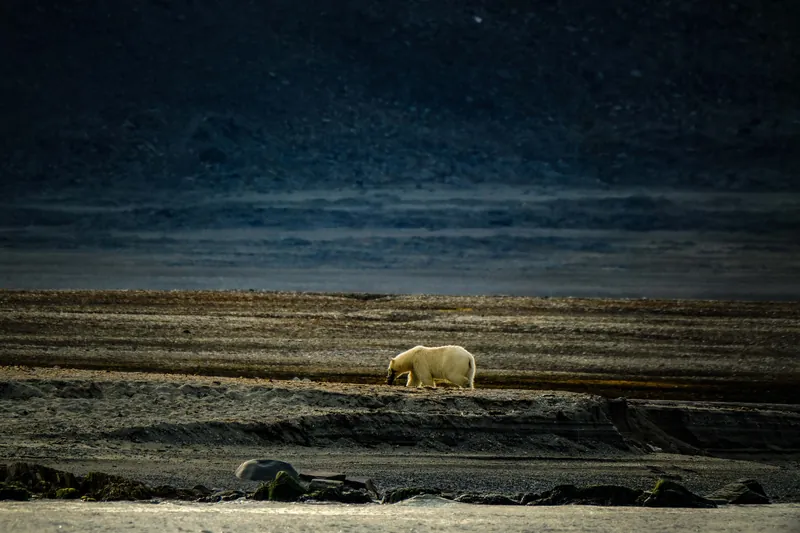
Arctic Svalbard Polar Bears
8DFrom ₹6,85,000
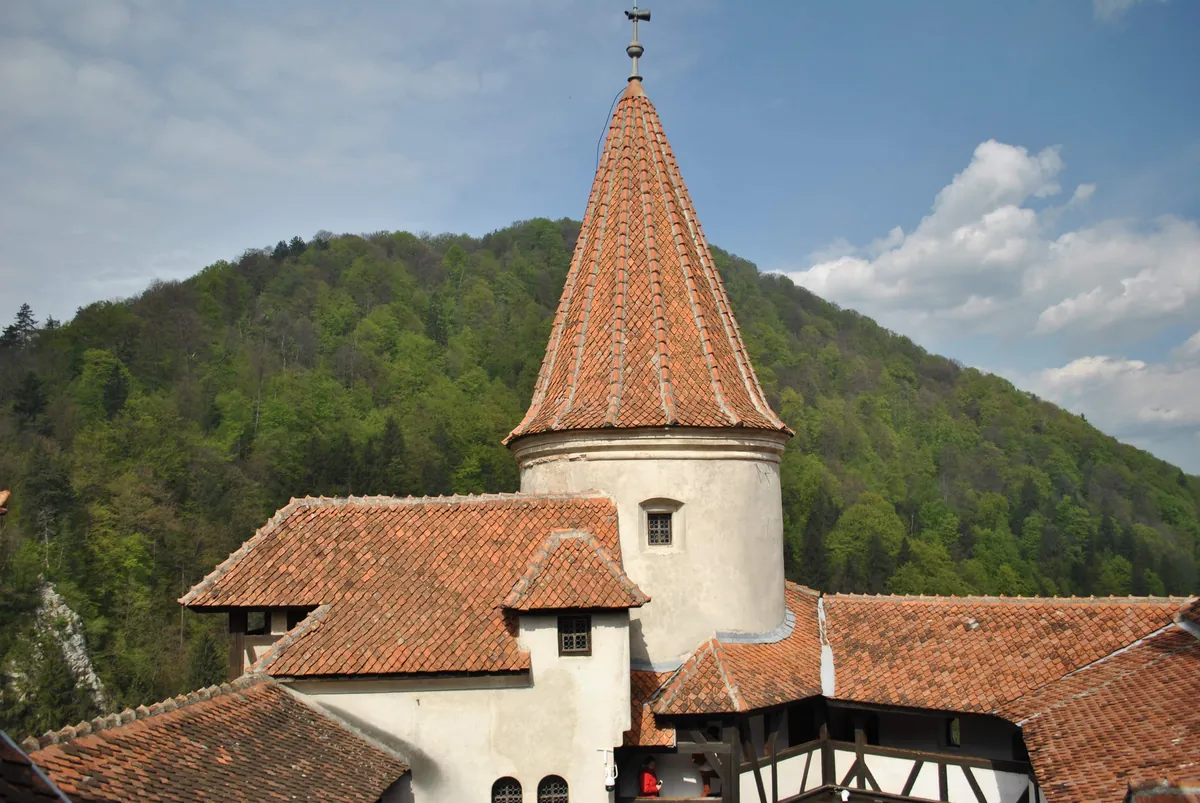
Bran Castle (Dracula), Peles Castle, Transfagarasan road.
This trip opens in Bucharest, Romania's capital and largest city, on the River Dâmbovița in the country's southeast, with 1.71 million residents and a metropolitan area of 2.31 million, making it the ninth most populous city within its own city limits in the European Union. First mentioned in 1459 as the Citadel of București, it became the residence of the Wallachian ruler Vlad the Impaler and, by 1698, the permanent seat of the Wallachian court, before rising to become capital of the Romanian United Principalities in 1862; the tradition of the city's name connects it to Bucur, a figure variously remembered as a prince, an outlaw, a fisherman, or a shepherd, and the Romanian word bucurie, "joy," gives the city its popular gloss as the "city of joy."
North of the capital, the trip visits Bran Castle, built in 1377 by the Saxons of Kronstadt under a privilege granted by Louis I of Hungary, on the Transylvanian side of the historic border with Wallachia. Marketed abroad as Dracula's Castle after Bram Stoker's 1897 novel, it has, by Wikipedia's own account, no evidence of any connection to Stoker's research and only a tangential link to Vlad the Impaler, whose Wallachian byname Drăculea resembles the fictional count's name; today the castle operates as a museum of art and furniture collected by Queen Marie of Romania, with an open-air museum of traditional Romanian peasant buildings at the foot of the hill.
The trip continues to Peleș Castle, a Neo-Renaissance palace built between 1873 and 1914 in the Carpathian foothills near Sinaia for King Carol I of Romania, whose 1866 visit to the site left him taken with its mountain scenery. Designed by the German architect Johannes Schultz after the king rejected three earlier, less original plans, the castle became the world's first fully powered by locally produced electricity, and its 3,200-square-metre floor plan holds more than 170 themed rooms — Florentine, Turkish, Moorish, French, and Imperial among them — filled with collections of statues, paintings, arms, and armour.
From Sinaia, the trip follows the Transfăgărășan, a 90-kilometre mountain road built between 1970 and 1974 under Nicolae Ceaușescu as a strategic route across the Carpathians, prompted by the Soviet invasion of Czechoslovakia in 1968. Cut through an alpine landscape at elevations reaching 2,042 metres using roughly six million kilograms of dynamite, largely by military personnel untrained in blasting work, the road claimed a number of lives during construction — officially 40, though independent estimates run higher — and today winds past Bâlea Lake and through Bâlea Tunnel, Romania's longest at 884 metres, close to Poenari Castle, another site associated with Vlad the Impaler.
The trip closes back in Bucharest's Old Town, the historic centre of the capital, crossed north to south by Ion C. Brătianu Boulevard and threaded with 48 streets, among them Lipscani, Șelari, and Stavropoleos, alongside the Old Princely Court, or Curtea Veche, erected by Mircea Ciobanul in the mid-sixteenth century as the residence of Wallachia's rulers.
Text adapted from the linked articles under CC BY-SA 4.0; edited for length.
On documentation, this trip sits in the e-visa complexity band — usually arranged online ahead of travel — treat that as a planning signal only, and verify exact, current requirements with the relevant embassy or consulate before booking. It runs 6 days, from ₹85,000 per person.
Every dimension the Taro team tags this pack with — filter by any of these on the packs page.
6 days across Romania, starting from ₹85,000 per person.
Suited to Couples and Friends, with a suitable option for families and a moderate activity level.
This trip typically involves an online e-visa arranged ahead of travel. Always confirm exact, current requirements with the relevant embassy or consulate before booking — this is a planning signal, not a legal statement.
Share your travel month, group size, budget comfort, and must-do experiences. The Taro team will shape the right route before any payment conversation.

