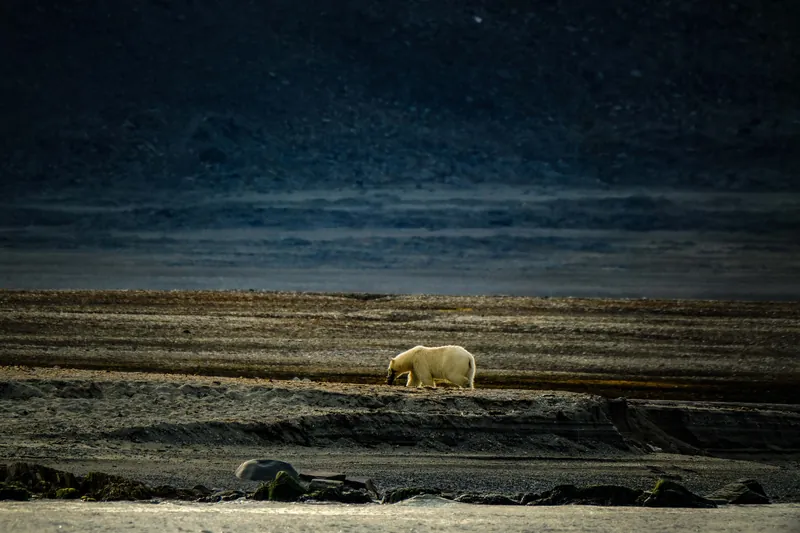
Arctic Svalbard Polar Bears
8DFrom ₹6,85,000
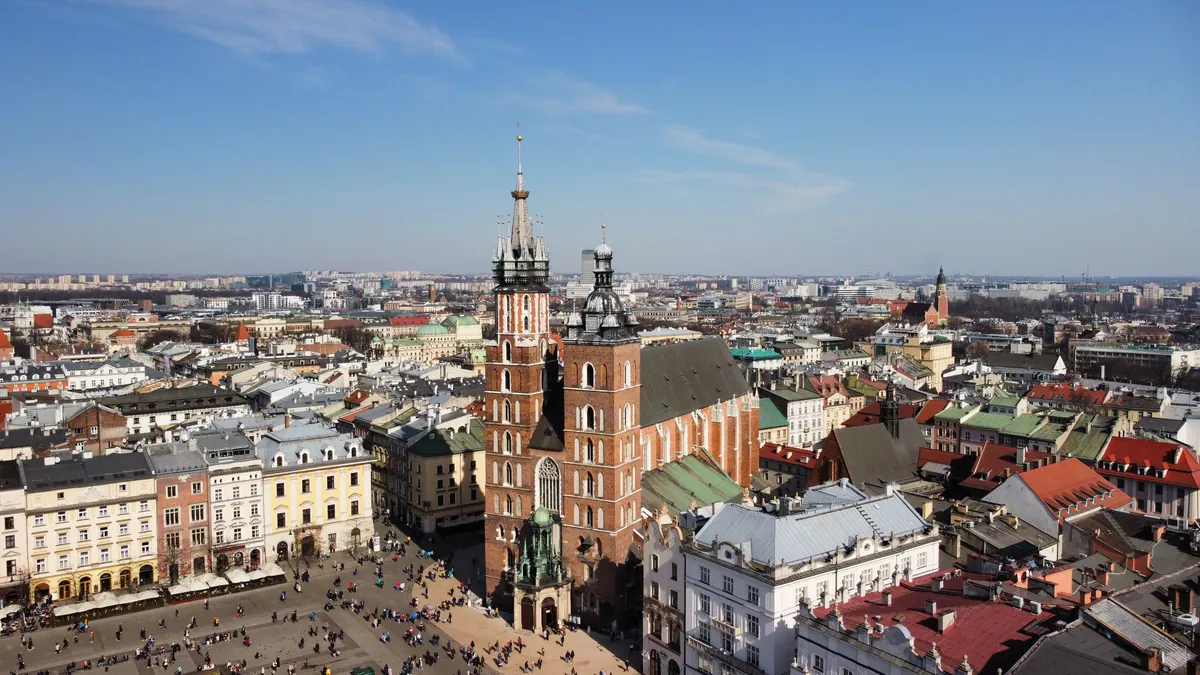
Krakow Old Town, Wieliczka Salt Mine, Auschwitz memorial.
This trip opens in Kraków, Poland's second-largest and one of its oldest cities, on the Vistula River in Lesser Poland Voivodeship with a 2025 population of 816,614. It began as a fortified settlement on Wawel Hill around the eighth century, became the seat of Polish monarchs from the Piast dynasty in 1038, and served as the country's official capital until 1596, when Sigismund III moved his court to Warsaw; its Old Town, within the ring of Planty Park, was named a UNESCO World Heritage Site in 1978 as one of the first sites anywhere to receive the designation.
Medieval Kraków's Old Town was once ringed by a three-kilometre defensive wall with 46 towers and seven gates, its current street plan drawn up in 1257 after the destruction of the earlier settlement, and the district served as the centre of Poland's political life from 1038 until the royal court's departure for Warsaw in 1596. Excavations here have turned up remarkable evidence of the city's early wealth, including a chest of 4,200 iron axes, weighing about four tonnes, found in a house basement — a form of currency once used in the neighbouring Great Moravian state and among the largest such hoards ever discovered.
South-east of the city, the trip visits the Wieliczka Salt Mine, worked continuously from the thirteenth century until 1996, one of the world's oldest operating salt mines before commercial extraction there ended. The mine reaches a depth of 327 metres and extends across more than 287 kilometres of passages, its rock salt a natural grey rather than pure white, carved over the centuries into statues and four chapels by the miners themselves; King Casimir III the Great expanded the mine's privileges in the fourteenth century, and by 1871 it ranked among the most productive salt mines in the world.
The trip's most solemn stop is the Auschwitz concentration camp, a complex of more than 40 camps that Nazi Germany operated in occupied Poland during the Second World War and the Holocaust, made up of Auschwitz I, the main camp; Auschwitz II-Birkenau, built with gas chambers; Auschwitz III-Monowitz, a labour camp tied to the chemical company IG Farben; and dozens of subcamps. Established after Germany's 1939 invasion of Poland, Auschwitz I first held mostly Polish prisoners before the camp became the principal site of the mass murder of Jews from across Nazi-occupied Europe during the Holocaust, and it stands today as a memorial and museum to that history.
The trip closes in Warsaw's Old Town, the oldest part of the Polish capital, settled between the thirteenth and fourteenth centuries and granted town privileges around 1300 around what became the Royal Castle. Nearly destroyed during the Second World War, the district was rebuilt afterward in what UNESCO recognised in 1980 as the world's first attempt to reconstruct an entire historic city centre, restoring landmarks including the Royal Castle, St John's Cathedral, the Barbican, and the Old Town Market Square with its Warsaw Mermaid statue.
Text adapted from the linked articles under CC BY-SA 4.0; edited for length.
On documentation, this trip is in the e-visa band, generally sorted online before travel — treat that as a planning signal only, and verify exact, current requirements with the relevant embassy or consulate before booking. It runs 6 days, from ₹95,000 per person.
Every dimension the Taro team tags this pack with — filter by any of these on the packs page.
6 days across Poland, starting from ₹95,000 per person.
Suited to Couples and Friends, with a suitable option for families and a moderate activity level.
This trip is in the e-visa band, generally sorted online before travel. Always confirm exact, current requirements with the relevant embassy or consulate before booking — this is a planning signal, not a legal statement.
Share your travel month, group size, budget comfort, and must-do experiences. The Taro team will shape the right route before any payment conversation.

