Argentina Buenos Aires + Patagonia
11DFrom ₹2,45,000
A 7-day premium trekking route to Machu Picchu via the classic Inca Trail.
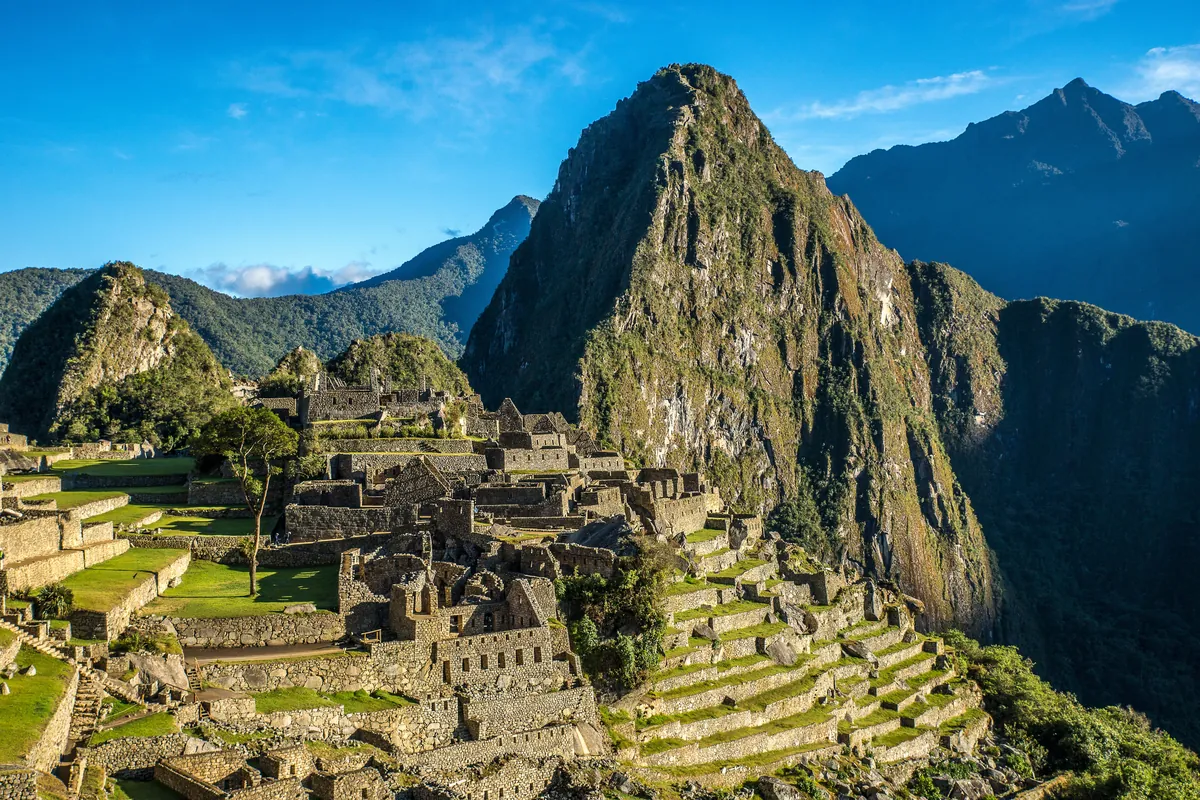
The trek ends at Machu Picchu, a 15th-century Inca citadel on a mountain ridge 2,430 metres above sea level in the Eastern Cordillera, believed to have served as a royal estate for the emperor Pachacuti. Radiocarbon studies led by Yale anthropologist Richard Burger in 2021 place its occupation between roughly 1420 and 1530, when it housed an estimated 750 people, most of them permanent support staff, alongside religious specialists and skilled workers drawn from diverse backgrounds according to genetic analysis of skeletal remains. Its agricultural terraces, or andenes, were engineered for drainage and soil fertility, though studies show some were later rebuilt after landslides during construction. The Peruvian explorer Agustín Lizárraga reached the site in 1902 and left his name carved in the Temple of the Three Windows, nine years before the American historian Hiram Bingham, guided by the villager Melchor Arteaga, arrived in 1911 and brought the citadel to international attention — and, controversially, removed thousands of artefacts to Yale University, which did not return the last of them to Peru until 2012.
The classic Inca Trail leading to the citadel is a historic path built by the Inca, typically walked over four or five days from an elevation of around 2,600 metres near the Urubamba River, past the ceremonial site of Patallaqta and rising to its highest point, the pass of Warmiwañusqa, before descending toward Machu Picchu's Sun Gate. Since 2001 the Peruvian government has limited access with daily permits, currently around 500 per day, released annually and sold on a first-come basis, and closes the trail each February for maintenance and cleaning.
Huayna Picchu, the sharp peak that rises 260 metres above Machu Picchu and around which the Urubamba River bends, was itself built up by the Inca with a trail, temples and terraces reaching its 2,693-metre summit; local guides say the peak once housed a high priest and attendant virgins who would descend each morning to signal the coming of day. Visitor numbers on its steep, cable-assisted trail are capped at 400 a day, split between two entry windows, and a second path leads to the Temple of the Moon, a complex of finely finished caves on the mountain's far side likely built for ceremonial or funerary use.
Warmi Wañusqa, whose Quechua name means 'dead woman', is the trail's highest pass at 4,200 metres, southwest of Patallaqta in the Urubamba Province; it marks the point on the trek where altitude change is most pronounced, requiring hikers to climb well above Cusco's own 3,200-metre elevation before descending again toward the ruins.
Across the trek, the trail and its landmarks form a single Inca ceremonial landscape: the citadel built as a royal retreat above the Urubamba gorge, the road the Inca themselves built to reach it, the sacred peak that towers over the site, and the high pass that every trekker must cross to arrive. Each stop belongs to the same fifteenth-century network of roads and religious sites the Inca built across the Andes.
Text adapted from the linked articles under CC BY-SA 4.0; edited for length.
Every dimension the Taro team tags this pack with — filter by any of these on the packs page.
Share your travel month, group size, budget comfort, and must-do experiences. The Taro team will shape the right route before any payment conversation.