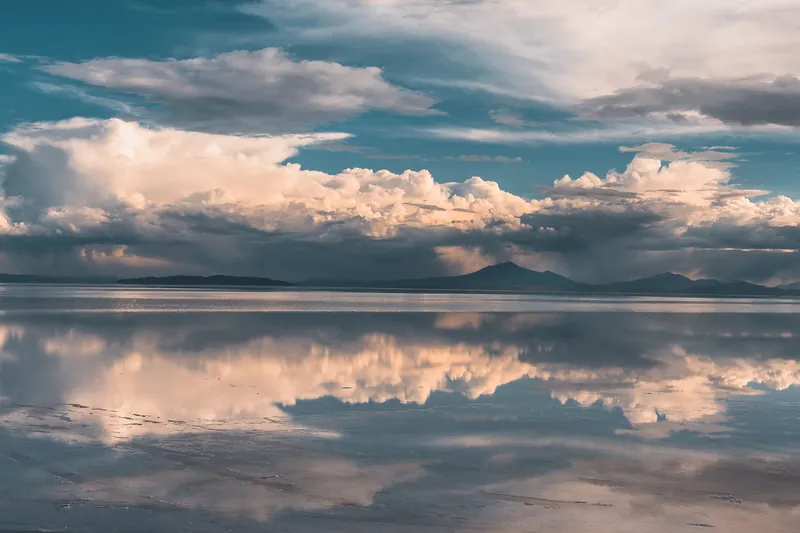
Bolivia Salar de Uyuni Salt Flats
7DFrom ₹1,45,000
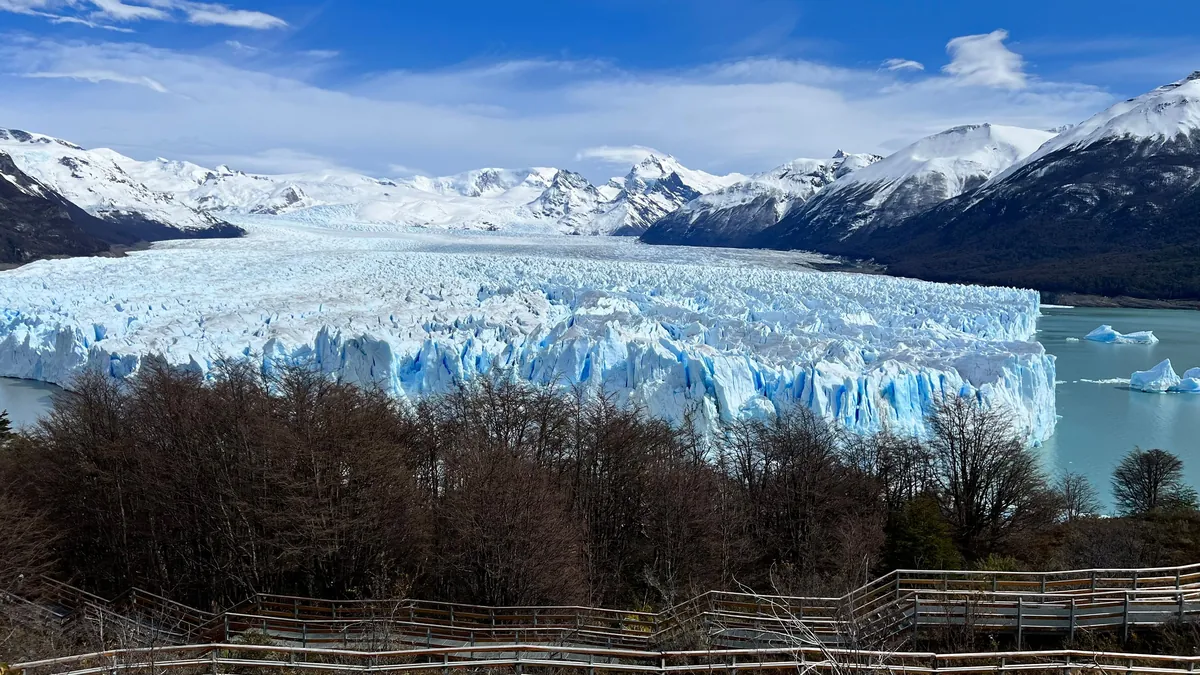
Tango shows, Perito Moreno glacier, Iguazu Argentine side.
Argentina Buenos Aires + Patagonia opens in Buenos Aires, officially the Autonomous City of Buenos Aires and the country's capital and largest city, sitting on the south-west shore of the Río de la Plata. The GaWC's 2024 ranking classes it an Alpha− global city, and its urban area of roughly 16.7 million people makes it the 21st most populous metropolitan area on that count. Over 11 days the itinerary moves from the capital's own dance culture down into Patagonia proper, to a glacier, a waterfall system shared with Brazil, and a lake town in the Andean foothills.
Buenos Aires' tango show sits inside a tradition that began in the 1880s along the Río de la Plata, the river forming the border between Argentina and Uruguay, growing out of the impoverished port districts on both sides as a blend of Argentine milonga, Spanish-Cuban habanera and Uruguayan candombe. It was, in that period, frequently practised in the brothels and bars of those same ports before it became the parlour and stage dance associated with the city today. The word "tango" itself has no proven origin, though one theory traces it to the Yoruba word shangó, the name of the Yoruba god of thunder, a history that would give the dance an African root to go alongside its Río de la Plata birthplace.
From the capital the pack heads south to the Perito Moreno Glacier — also recorded under the names Francisco Gormaz Glacier and Bismarck Glacier — inside Los Glaciares National Park in south-western Santa Cruz Province. The ice itself originates across the border in Chile's Magallanes Region and is also counted as part of that country's Bernardo O'Higgins National Park, making the glacier one physical feature straddling two countries' protected land. For much of the late 20th and early 21st centuries it was unusual among glaciers worldwide for holding a rough equilibrium, accumulating mass at close to the rate it lost it, though since 2020 its northern front has been retreating, a change scientists link to climate change.
The route then crosses to Iguazú Falls, the waterfalls of the Iguazu River set on the border between Argentina's Misiones province and Brazil's Paraná state, which together form the largest waterfall system in the world. The falls split the river into an upper and a lower Iguazu and form a two-step staircase cut through three layers of basalt, each step between 35 and 40 metres high, part of the roughly 1,000-metre-thick Serra Geral rock formation within the Paraná Basin. Although the river itself rises near the city of Curitiba and runs mostly through Brazil for the length of its course, it is at this shared border that the water drops into the system both countries have built their national parks around.
The trip closes at San Carlos de Bariloche, generally known simply as Bariloche, the largest city in Argentina's Río Negro province and seat of the department carrying the same name. Its name comes from the Mapudungun word Vuriloche, meaning "people from behind the mountain," after the mountain pass the Poya people once used to cross the Andes while keeping its route secret from Spanish priests. The city sits in the foothills of the Patagonian Andes on the southern shore of Nahuel Huapi Lake, close to the Chilean border, with a population recorded at 135,755 in the 2022 census — a mid-sized Andean lake town that gives the pack's final days a different rhythm from either the capital's tango halls or the glacier and falls that came before it.
Text adapted from the linked articles under CC BY-SA 4.0; edited for length.
On documentation, this trip is in the e-visa band, generally sorted online before travel — treat that as a planning signal only, and verify exact, current requirements with the relevant embassy or consulate before booking. It runs 11 days, from ₹2,45,000 per person.
Every dimension the Taro team tags this pack with — filter by any of these on the packs page.
11 days across Argentina, starting from ₹2,45,000 per person.
Suited to Couples, Friends, and Luxury Travellers, with a suitable option for families and a moderate activity level.
This trip sits in the e-visa complexity band — usually arranged online ahead of travel. Always confirm exact, current requirements with the relevant embassy or consulate before booking — this is a planning signal, not a legal statement.
Share your travel month, group size, budget comfort, and must-do experiences. The Taro team will shape the right route before any payment conversation.