Egypt Pyramids + Nile Cruise
8DFrom ₹1,35,000
Mokoro canoe through delta, Chobe elephants, lodge luxury.
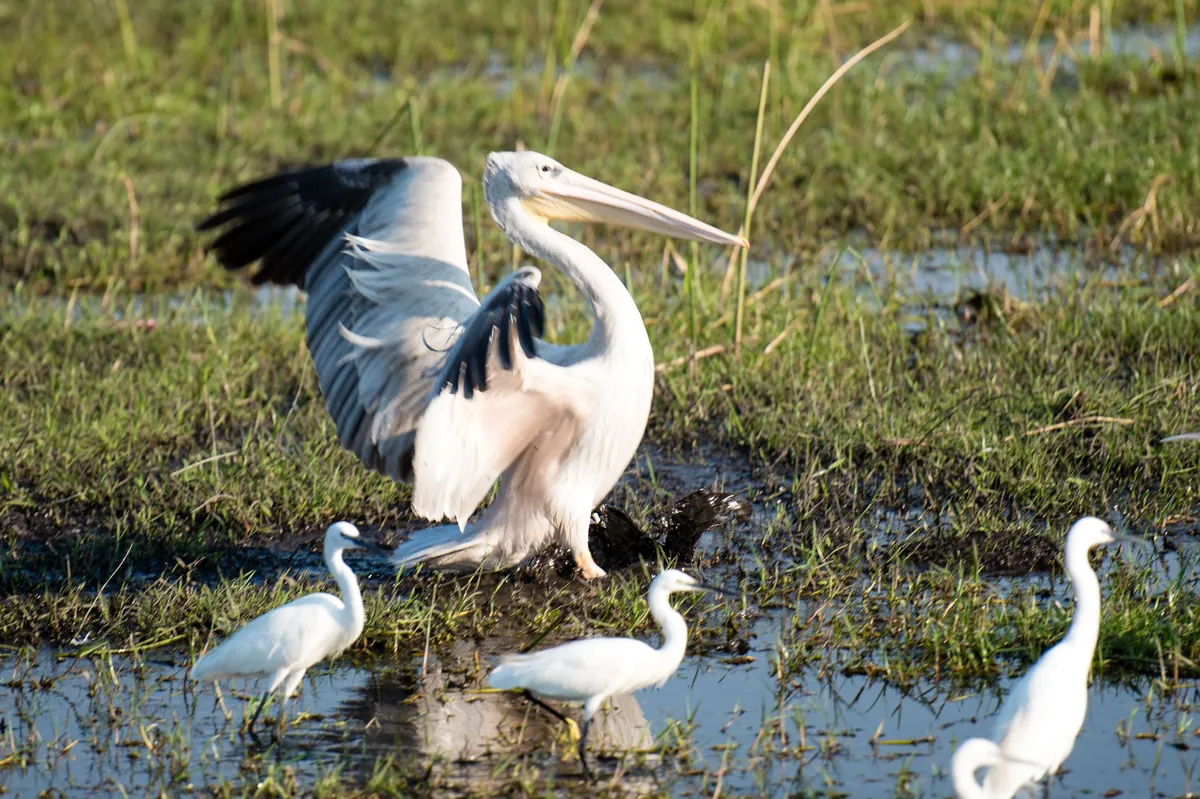
Botswana Okavango Delta is based in Maun, Botswana's second-largest village, recorded with a population of 85,293 in 2022 and known as the country's "tourism capital" as well as the administrative centre of Ngamiland district; it is linked to Francistown by the A3 highway and hosts the headquarters of numerous safari and air-charter operators. Its name comes from the Seyei word "maung," meaning "the place of river reeds," and before the Batawana arrived it was a small Yei village; the Batawana made it their capital in 1915, after their king's victory over the Ndebele, moving their seat there from Toteng. Maun carried a reputation as a hard-living frontier town built on cattle ranching and hunting before tourism, helped by the completion of a tarred road, reshaped its economy. Over 8 days the trip moves from that base into the delta by dugout canoe, past elephants and Bushmen rock art, into a game reserve, and through the safari tradition itself.
The pack's mokoro trips use the dugout canoe traditionally paddled through the Okavango Delta and the Chobe River, propelled by a poler standing in the stern and pushing against the riverbed in a technique closely related to punting. Moving through the delta's shallow channels this way, rather than by motorboat, is what lets the mokoro reach water too thin and too quiet for anything larger.
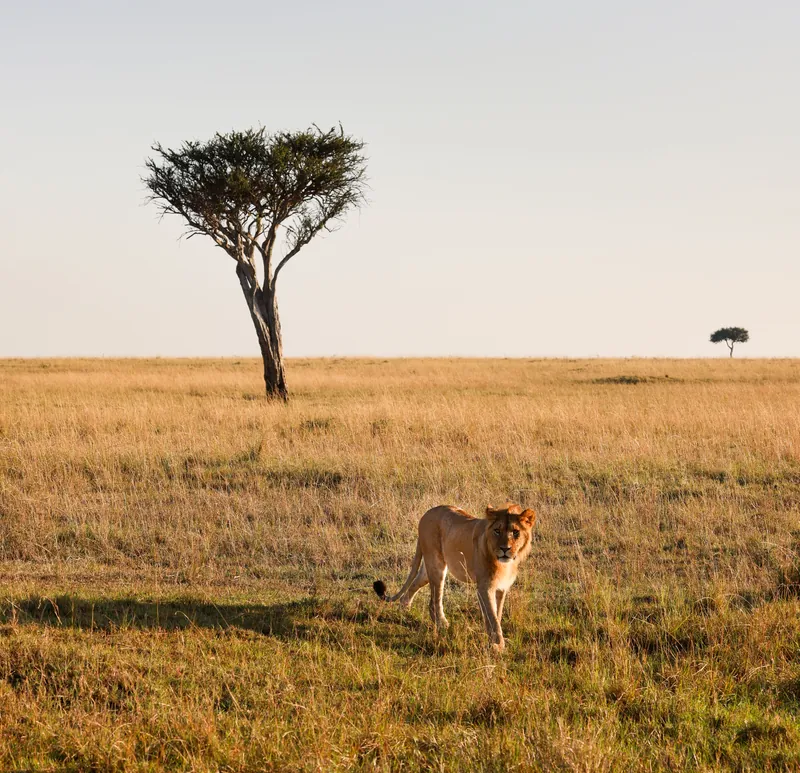
Chobe National Park, home to the pack's elephants, is Botswana's first national park and its most biologically diverse, built around the wetlands of the Chobe River as it flows east toward Victoria Falls and the Zambezi, and forming part of the wider Kavango–Zambezi Transfrontier Conservation Area. Its Serondela area, in the park's extreme north-east, is defined by lush floodplains and dense woodland, and the park as a whole is known for an elephant population estimated at around 50,000 — Kalahari elephants, which form the largest herds of any known elephant population, though with comparatively brittle ivory and shorter tusks than elephants elsewhere. The park's original inhabitants were the San, known in Botswana as the Basarwa, nomadic hunter-gatherers who moved constantly in search of fruit, water and game, and whose paintings still survive in the rocky hills within the park today.
Moremi Game Reserve, on the eastern side of the Okavango Delta, takes its name from Chief Moremi of the BaTawana people and was deliberately established as a game reserve rather than a national park, a designation that allowed the San who lived there to remain rather than be excluded. Covering just under 5,000 square kilometres, it combines permanent water with drier ground, producing the sharp contrasts between wetland and savanna that the reserve is built around.
The trip's evening bush dinners sit inside the same safari tradition the whole itinerary runs on — an overland journey built, in its classic form, around observing or hunting wild game, with the "Big Five" of lion, leopard, rhinoceros, elephant and Cape buffalo at the centre of that tradition. The word "safari" itself comes from the Swahili for "journey," borrowed in turn from the Arabic safar, a detail that underlines how much of the modern safari experience, bush dinners included, still runs on the idea of travelling through a landscape rather than staying still in it.
Text adapted from the linked articles under CC BY-SA 4.0; edited for length.
On documentation, this trip typically involves an online e-visa arranged ahead of travel — treat that as a planning signal only, and verify exact, current requirements with the relevant embassy or consulate before booking. It runs 8 days, from ₹3,65,000 per person.
Every dimension the Taro team tags this pack with — filter by any of these on the packs page.
8 days across Botswana, starting from ₹3,65,000 per person.
Suited to Couples, Friends, and Luxury Travellers, with a suitable option for families and a moderate activity level.
This trip is in the e-visa band, generally sorted online before travel. Always confirm exact, current requirements with the relevant embassy or consulate before booking — this is a planning signal, not a legal statement.
Share your travel month, group size, budget comfort, and must-do experiences. The Taro team will shape the right route before any payment conversation.