Costa Rica Rainforest + Beaches
8DFrom ₹1,85,000
A 6-day premium trip to Panama City, Panama, taking in Miraflores Locks, Casco Viejo balconies, San Blas Islands and Panama Canal Railway.
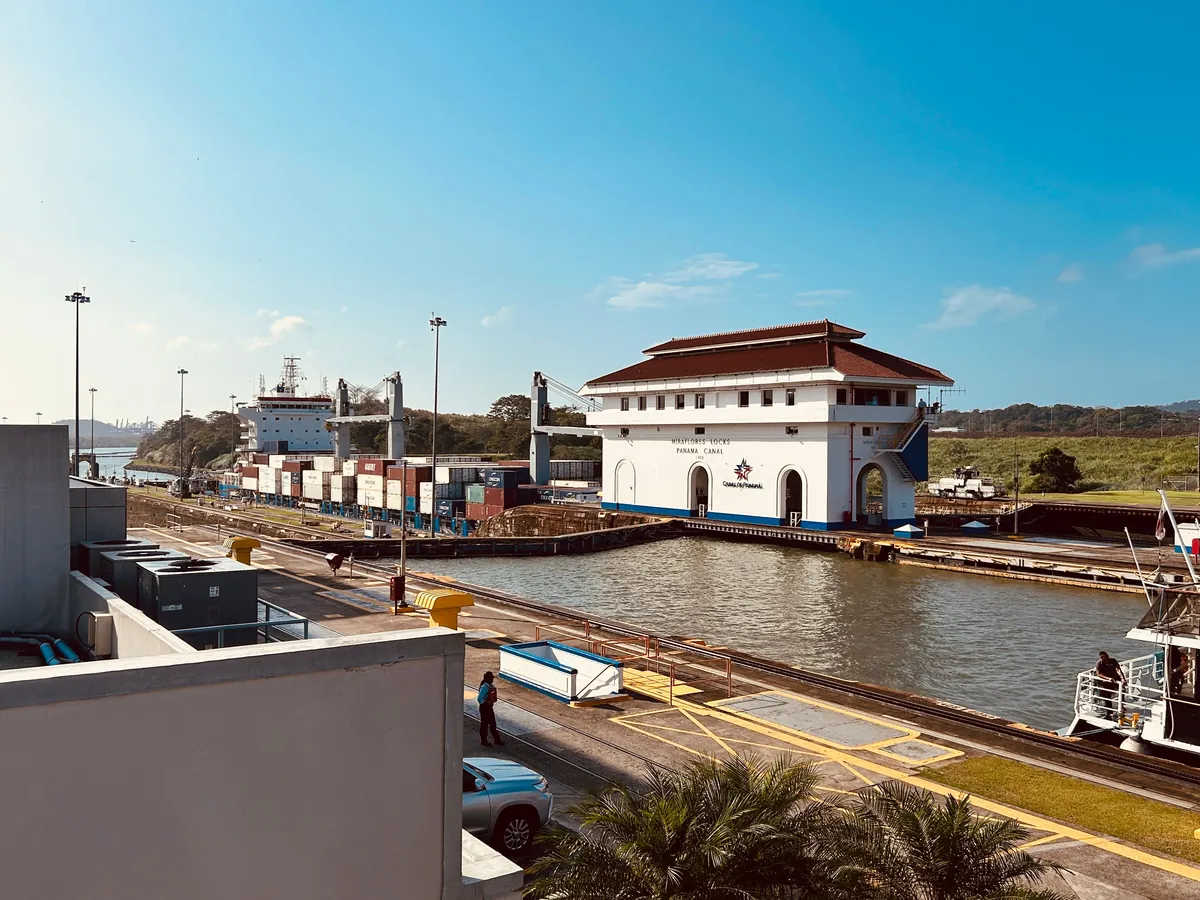
Panama City Canal Break opens at the Miraflores Locks, part of the Panama Canal and the point where vessels are raised or lowered 54 feet in two stages to transit between the canal and the Pacific port of Balboa. The locks sit below the Bridge of the Americas, which links North and South America, and share their name with the small lake that separates them from the Pedro Miguel Locks further upstream; a fixed daily schedule has historically governed the direction of transit, with ships generally crossing from the Pacific toward the Atlantic in the morning and back the other way in the afternoon.
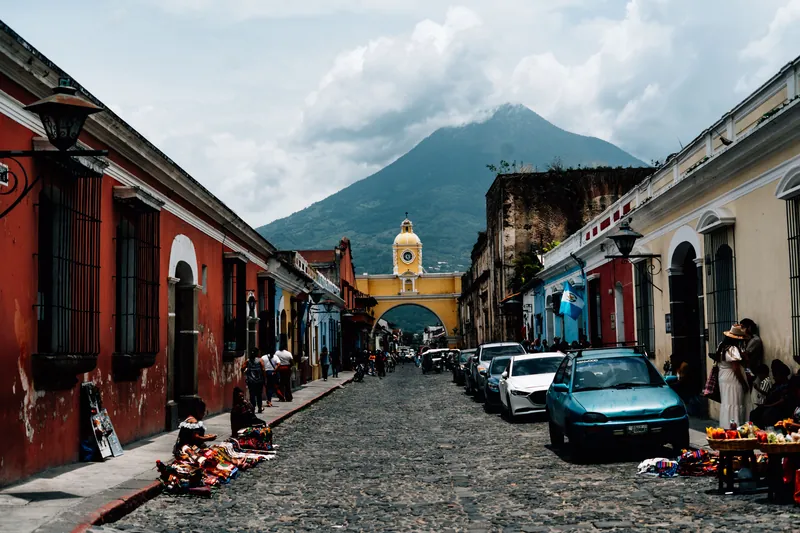
From the locks the trip reaches Casco Antiguo, also called Casco Viejo or San Felipe, the historic district built after the original Panama City — Panamá Viejo — was burned and looted by the pirate Henry Morgan in January 1671. Construction of the new city began in 1672 under Antonio Fernández de Córdoba and it was formally founded on 21 January 1673, built on a peninsula isolated by the sea and a defensive wall system. The quarter today preserves the Metropolitan Cathedral, the presidential residence at the Palacio de las Garzas, and a cluster of colonial-era churches and convents including San Francisco de Asís, San José and Santo Domingo, alongside plazas such as Plaza Bolívar and Plaza de la Independencia. The 18th century brought three further large fires that repeatedly damaged and reshaped the quarter, so much of what stands today layers colonial-era street patterns with later rebuilding, a pattern still visible in the mix of building styles along its narrow streets.
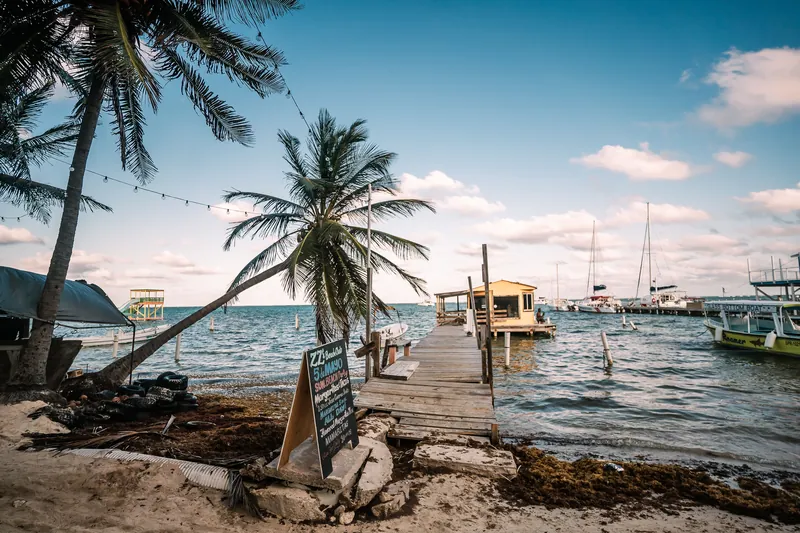
The route continues offshore to the San Blas Islands, an archipelago of roughly 365 islands and cays off Panama's Caribbean coast, of which 49 are inhabited, forming part of the Guna Yala comarca and home to the Guna people. Long isolated by their setting east of the canal, the islands are known for calm, hurricane-free sailing waters and for the Guna's molas — the colourful appliqué designs the Guna adapted onto clothing after missionaries encouraged them to dress, having previously decorated their bodies directly with the same patterns. Driven from mainland Panama during the Spanish invasion, the Guna resettled across some 378 islands in the archipelago, and their chief today lives on the island of Acuadup, meaning 'rock island'; many Guna families still divide their time between mainland villages and the islands, working as hunters and fishermen under a tropical monsoon climate with a long wet season running from May to January.
The final stop, the Panama Canal Railway, opened in 1855 as the first transcontinental railway in the Americas and today runs 47.6 miles between Colón on the Atlantic and Balboa on the Pacific, near Panama City. Financed at eight times its original estimate and built at the price of an estimated 5,000 to 10,000 workers' lives given the swamp and mountain terrain it crossed, the line predated the canal by half a century and proved essential to the canal's own construction in the early 1900s, with its route later realigned to make way for the canal's Gatun Lake.
Over six days the pack moves from the working locks of the modern canal, into the walled colonial quarter rebuilt after a 17th-century pirate raid, out to the reef-fringed San Blas archipelago, and along the historic rail line that first linked the isthmus's two oceans.
Text adapted from the linked articles under CC BY-SA 4.0; edited for length.
Every dimension the Taro team tags this pack with — filter by any of these on the packs page.
Share your travel month, group size, budget comfort, and must-do experiences. The Taro team will shape the right route before any payment conversation.