Why Sur works
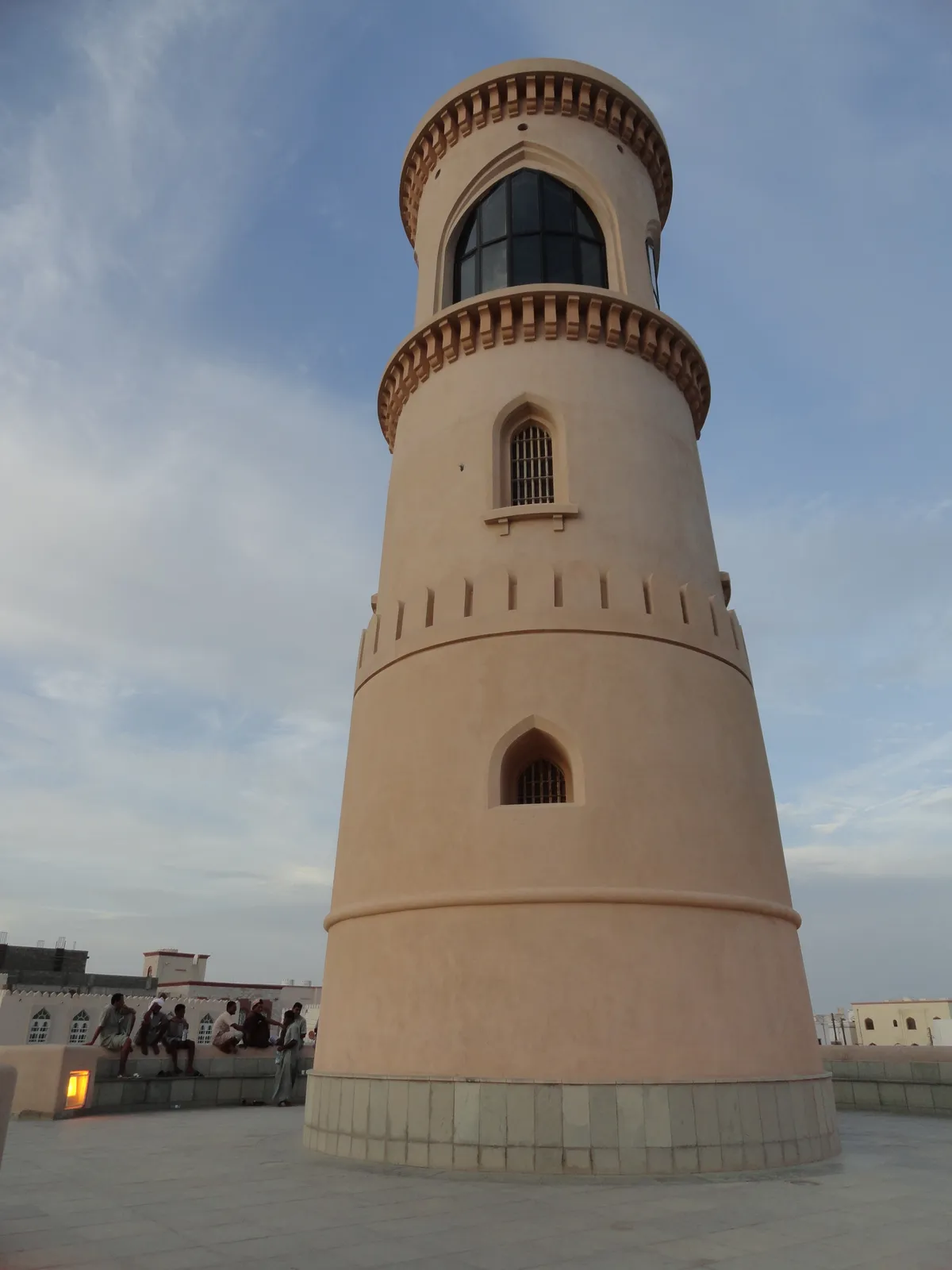
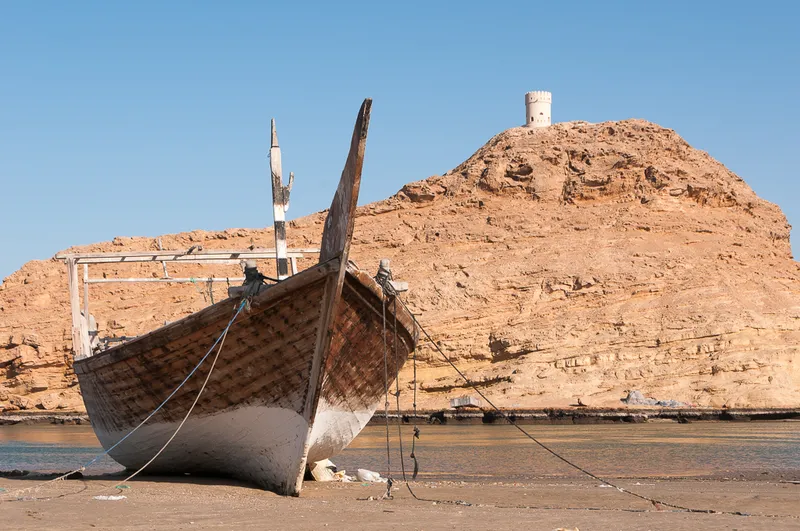
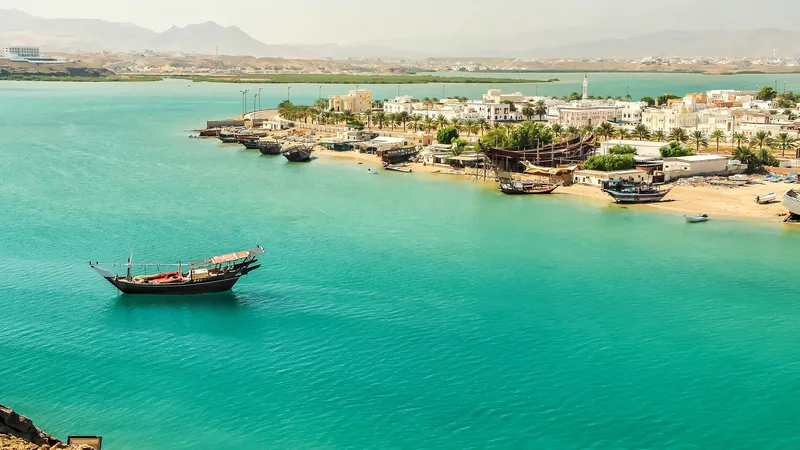
Sur was once among the Indian Ocean's most important dhow-building ports, its ships trading as far as Zanzibar and India, and the craft survives today in a handful of working yards along the Ayjah waterfront where shipwrights still build wooden vessels using techniques passed down through generations, without written plans. Visitors can walk directly into the yards and watch hulls take shape plank by plank. Sur's twin lighthouse and the Ayjah Bridge crossing its lagoon offer classic views over whitewashed old-town houses with wind-tower cooling designs. Wadi Shab, roughly 40 minutes west, is one of Oman's most photographed canyons — a hike through pools of turquoise water leads to a partially submerged cave reachable only by swimming, a rite of passage for visitors to this stretch of coast. Ras al Jinz, further along the shore, protects a nesting site for endangered green turtles, with night tours (booked in advance) offering a rare chance to watch females lay eggs on the beach. Sur's dhow-building heritage and proximity to Wahiba Sands make it a natural coastal finale to an Omani interior itinerary, best allotted two nights to properly cover the wadis nearby.
Trip Snapshot
Suitable For
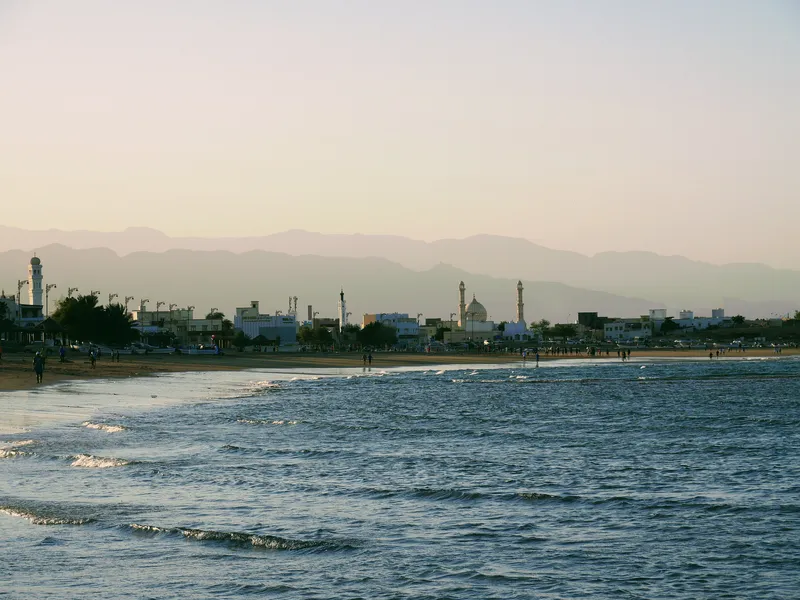
Sur, in frame
A quick visual sense of the landscapes, stays, and atmosphere your itinerary can be built around.
Sur questions, answered
When is the best time to visit Sur?
October to April
What is the weather like in Sur?
Coastal desert, 20-38°C
Do I need a visa to travel to Oman?
e-Visa required for Indian nationals (apply online before travel). Visa rules change without notice — confirm current requirements with the destination's embassy or consulate before you book.
What currency is used in Oman?
OMR — Omani Rial
What languages are spoken in Oman?
Arabic, English in tourism areas
Build a Sur itinerary around your dates.
Share your travel month, group size, budget comfort, and must-do experiences. The Taro team will shape the right route before any payment conversation.