Why Sundarbans works
The Sundarbans spans the vast delta where the Ganges, Brahmaputra and Meghna rivers meet the Bay of Bengal, and its Bangladeshi portion holds the larger share of the world's biggest continuous mangrove forest, a UNESCO World Heritage Site since 1997. The forest is threaded by a labyrinth of tidal channels, creeks and rivers navigable mainly by boat, and it is famous above all as the last significant wild habitat of the Royal Bengal Tiger adapted to a mangrove ecosystem, swimming between islands and preying on spotted deer and wild boar in a landscape unlike any other tiger habitat on Earth — sightings are rare and never guaranteed, but the forest's atmosphere of genuine wilderness makes the search worthwhile regardless. Beyond tigers, the Sundarbans supports saltwater crocodiles, Irrawaddy dolphins, hundreds of bird species and the world's largest population of the endangered fishing cat, all sustained by the mangrove's unique brackish-water ecosystem. Local communities around the forest's edge, in towns like Mongla and Khulna, have long depended on honey collection, fishing and wood harvesting from the Sundarbans, traditions that continue alongside growing eco-tourism. Multi-day boat trips, typically departing from Khulna or Mongla, are the standard way to explore the forest's interior, sleeping aboard as the boat moves quietly through the channels at dawn and dusk when wildlife activity peaks. The Sundarbans rewards patience and realistic expectations — this is genuine wilderness tourism, not a guaranteed wildlife safari.
Trip Snapshot
Suitable For
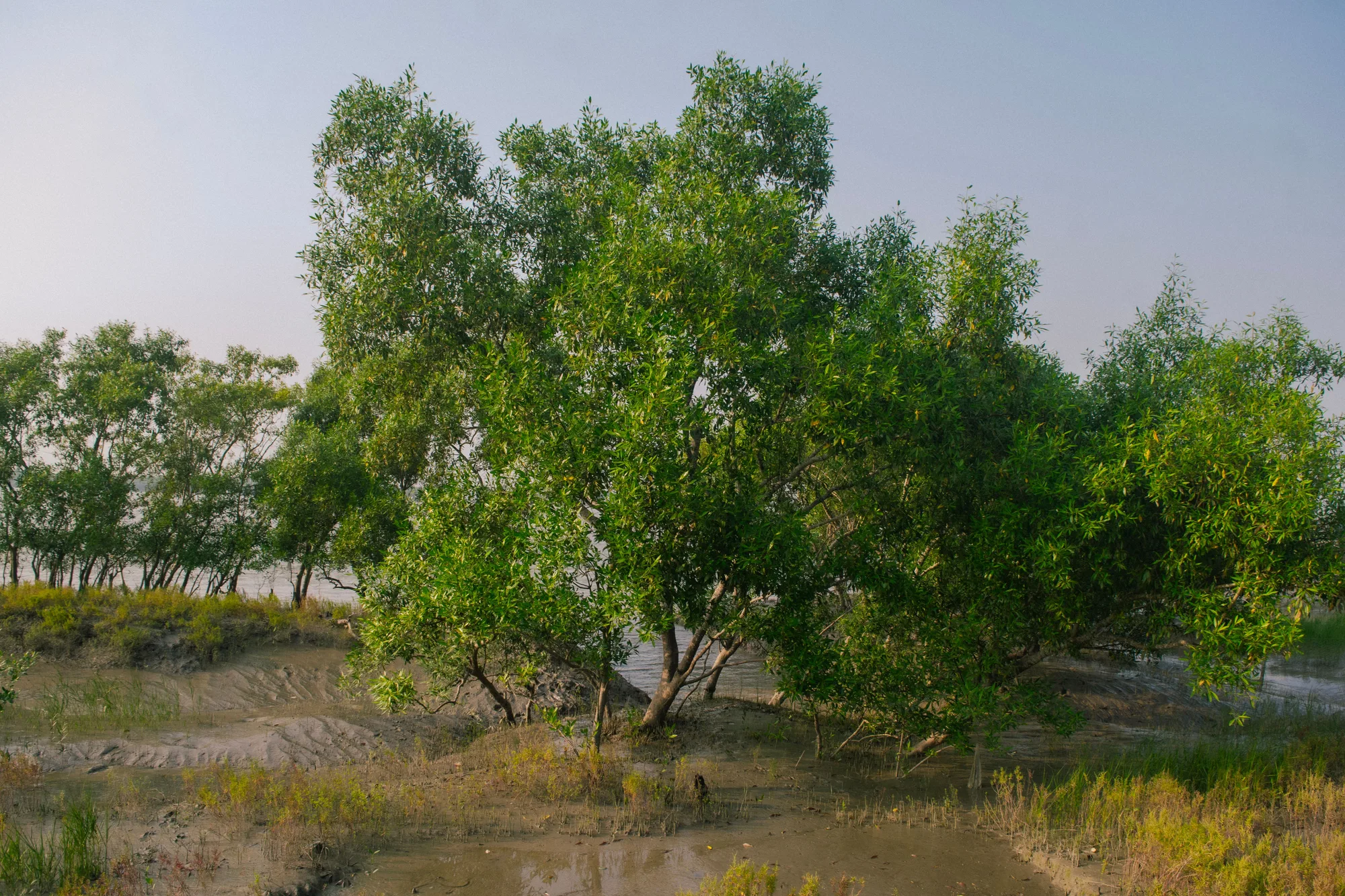
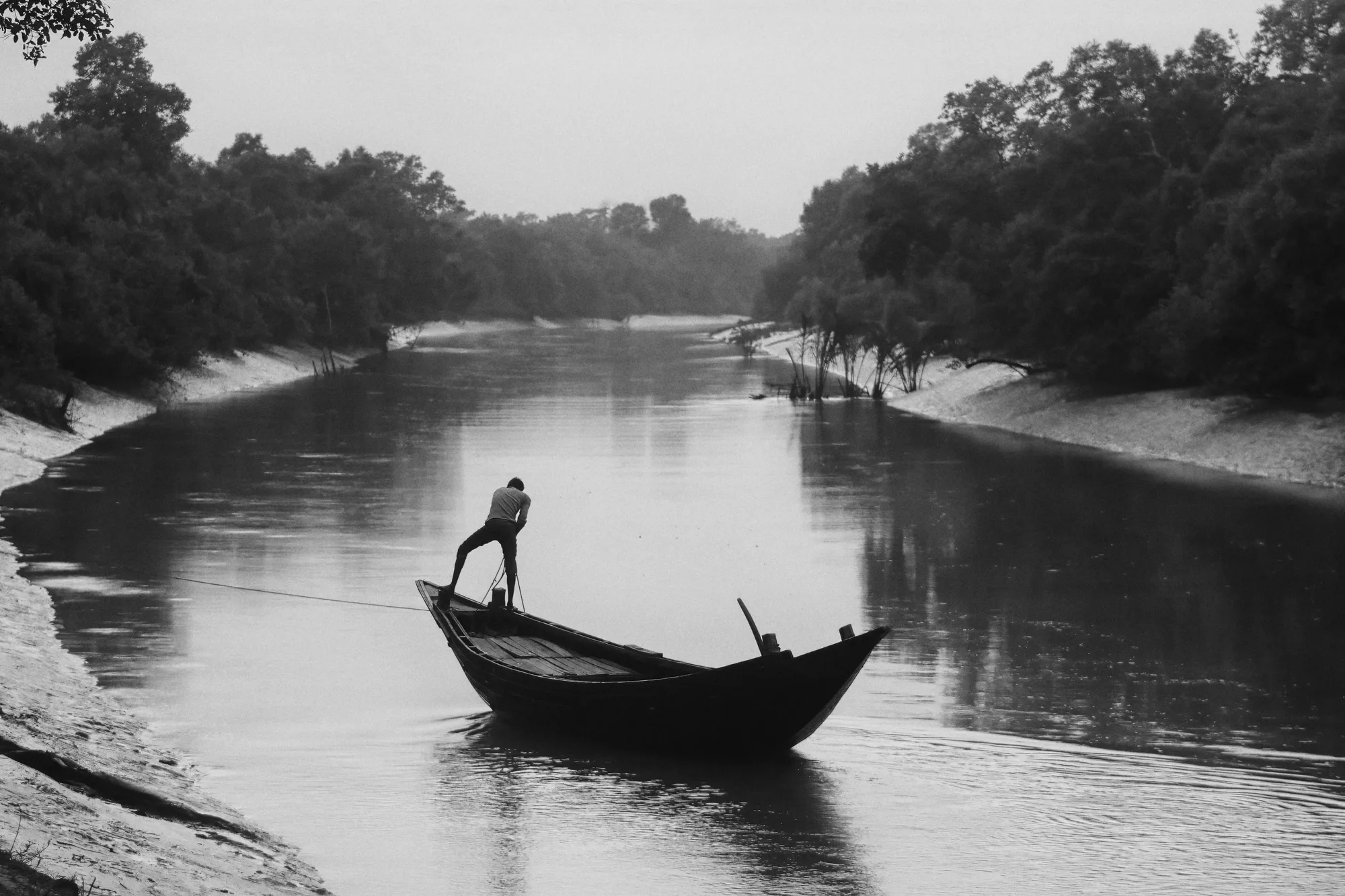
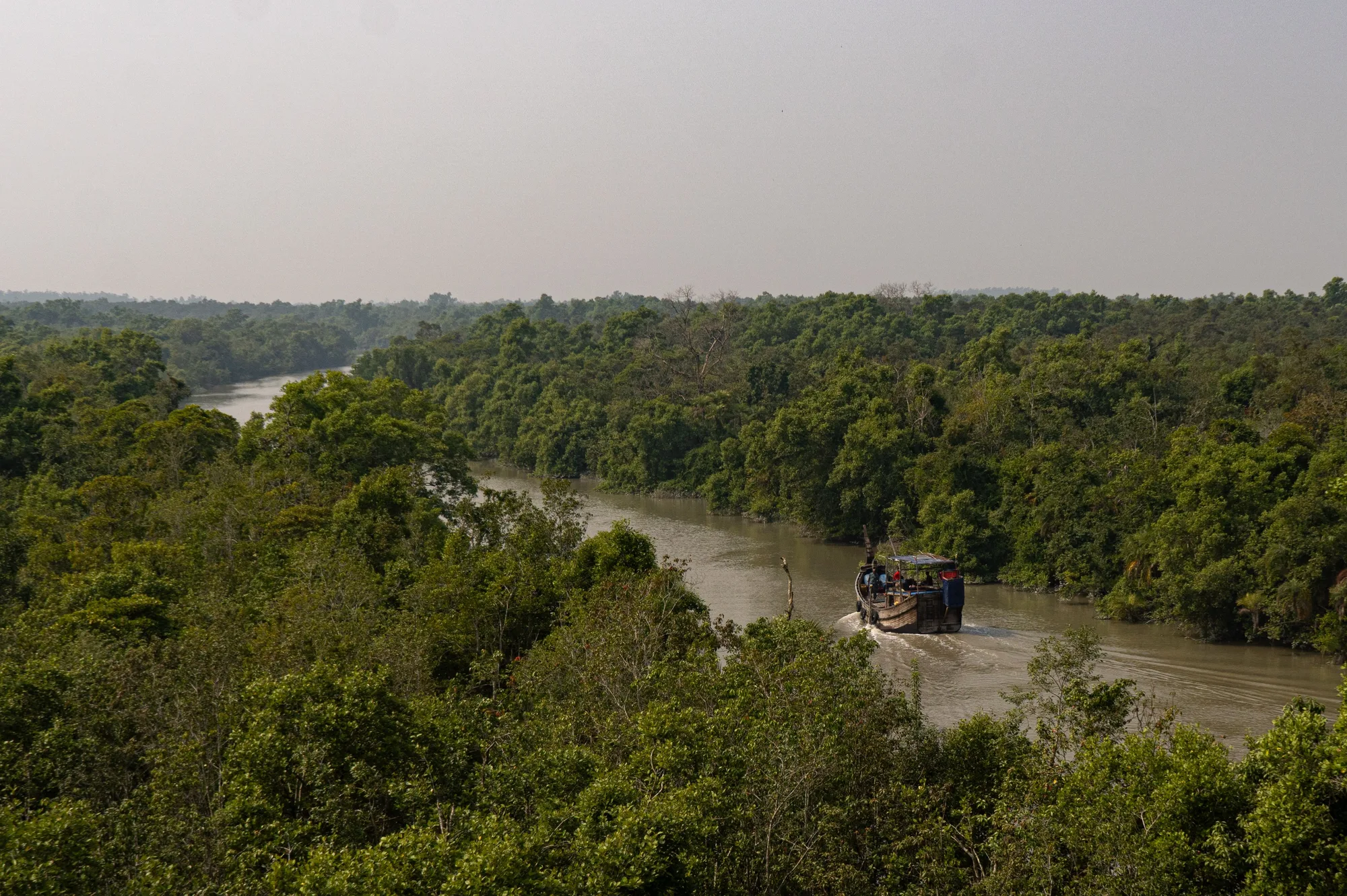
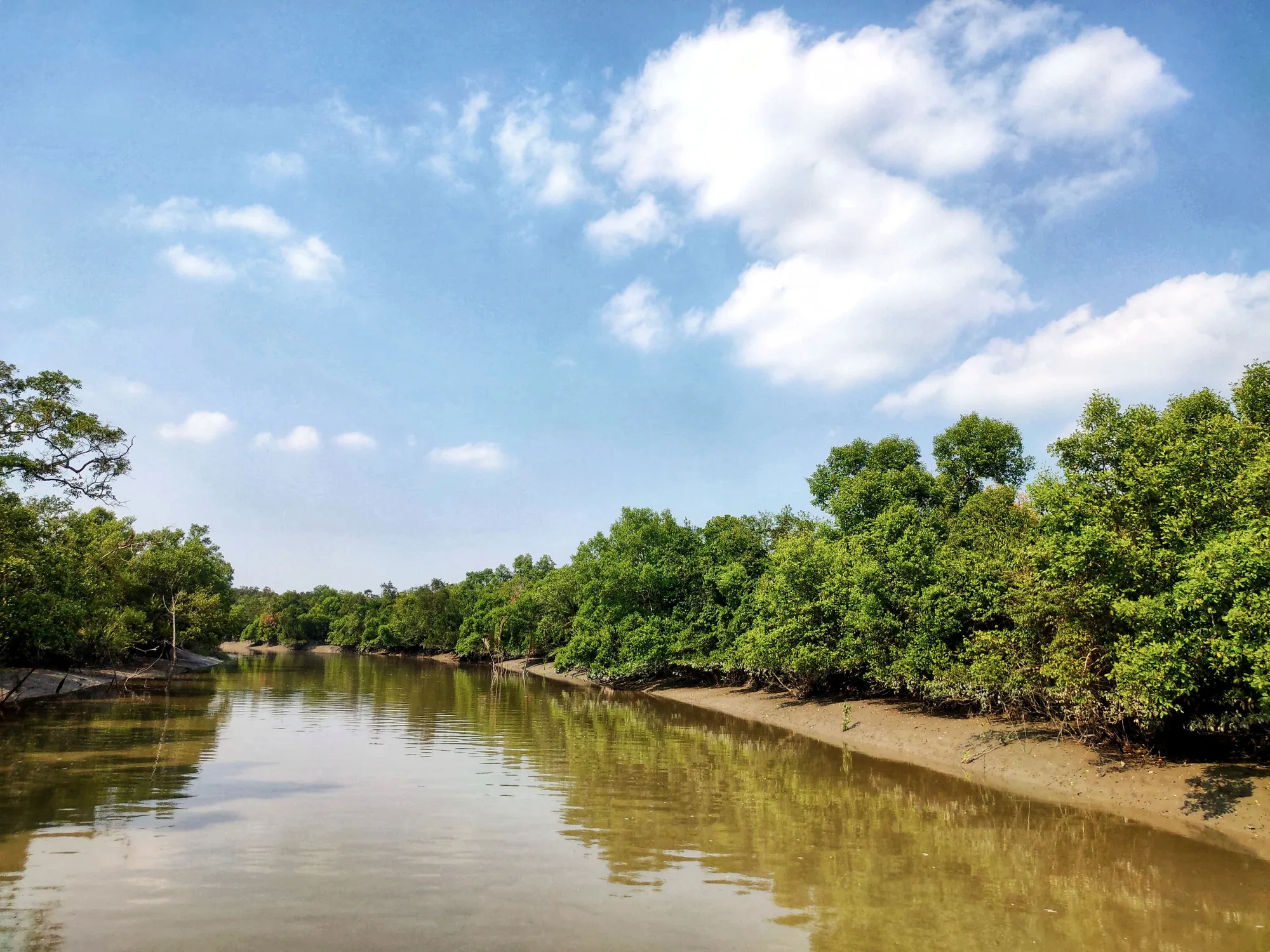
Sundarbans, in frame
A quick visual sense of the landscapes, stays, and atmosphere your itinerary can be built around.
Sundarbans questions, answered
When is the best time to visit Sundarbans?
November to February (dry season, cooler)
What is the weather like in Sundarbans?
Tropical monsoon, hot humid, cyclone risk May-October
Do I need a visa to travel to Bangladesh?
e-Visa or visa required for Indian nationals — apply online before travel. Visa rules change without notice — confirm current requirements with the destination's embassy or consulate before you book.
What currency is used in Bangladesh?
BDT — Bangladeshi Taka
What languages are spoken in Bangladesh?
Bengali, English understood by guides
Build a Sundarbans itinerary around your dates.
Share your travel month, group size, budget comfort, and must-do experiences. The Taro team will shape the right route before any payment conversation.