Why Ruins of St. Paul's works
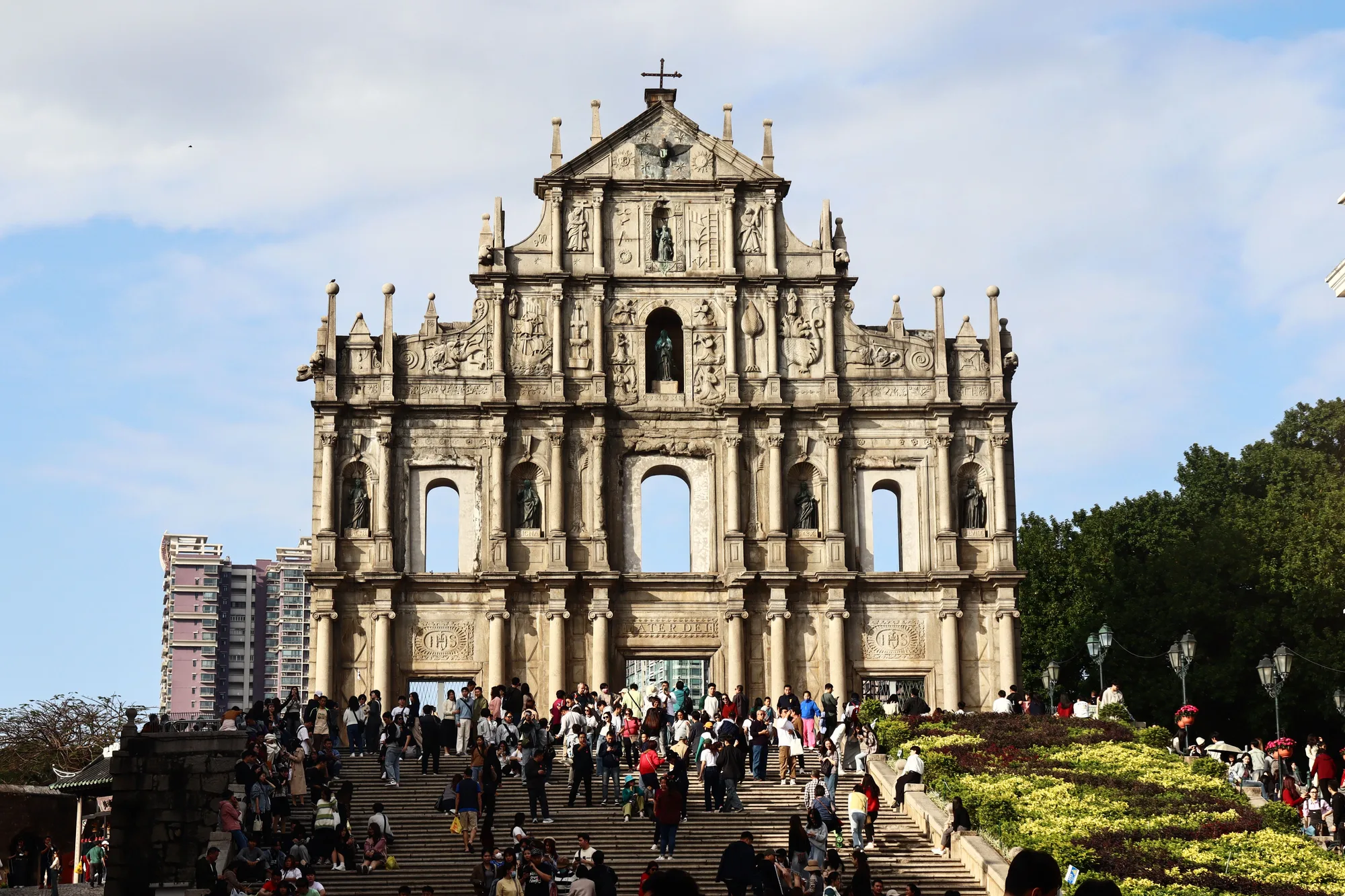
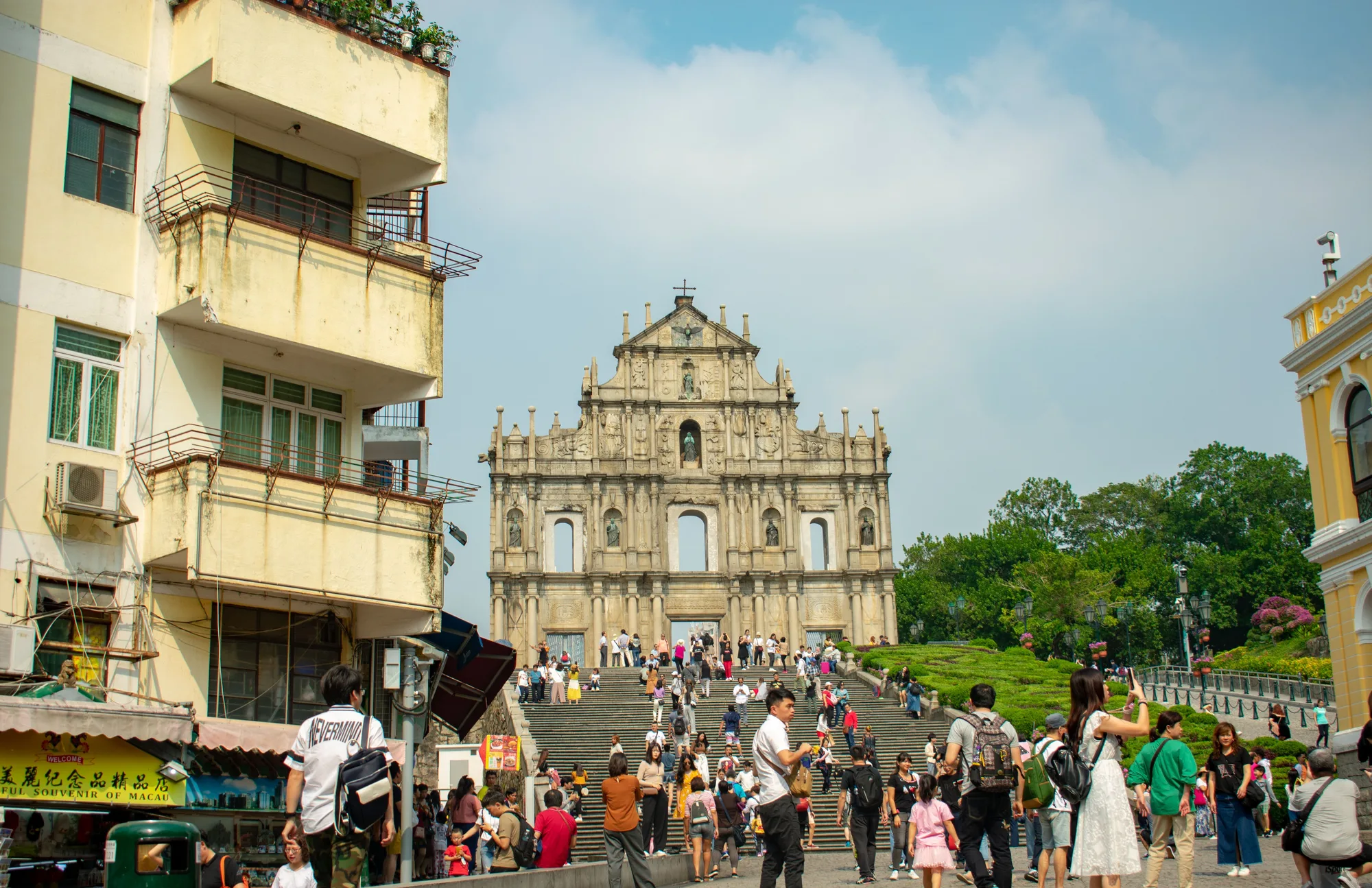
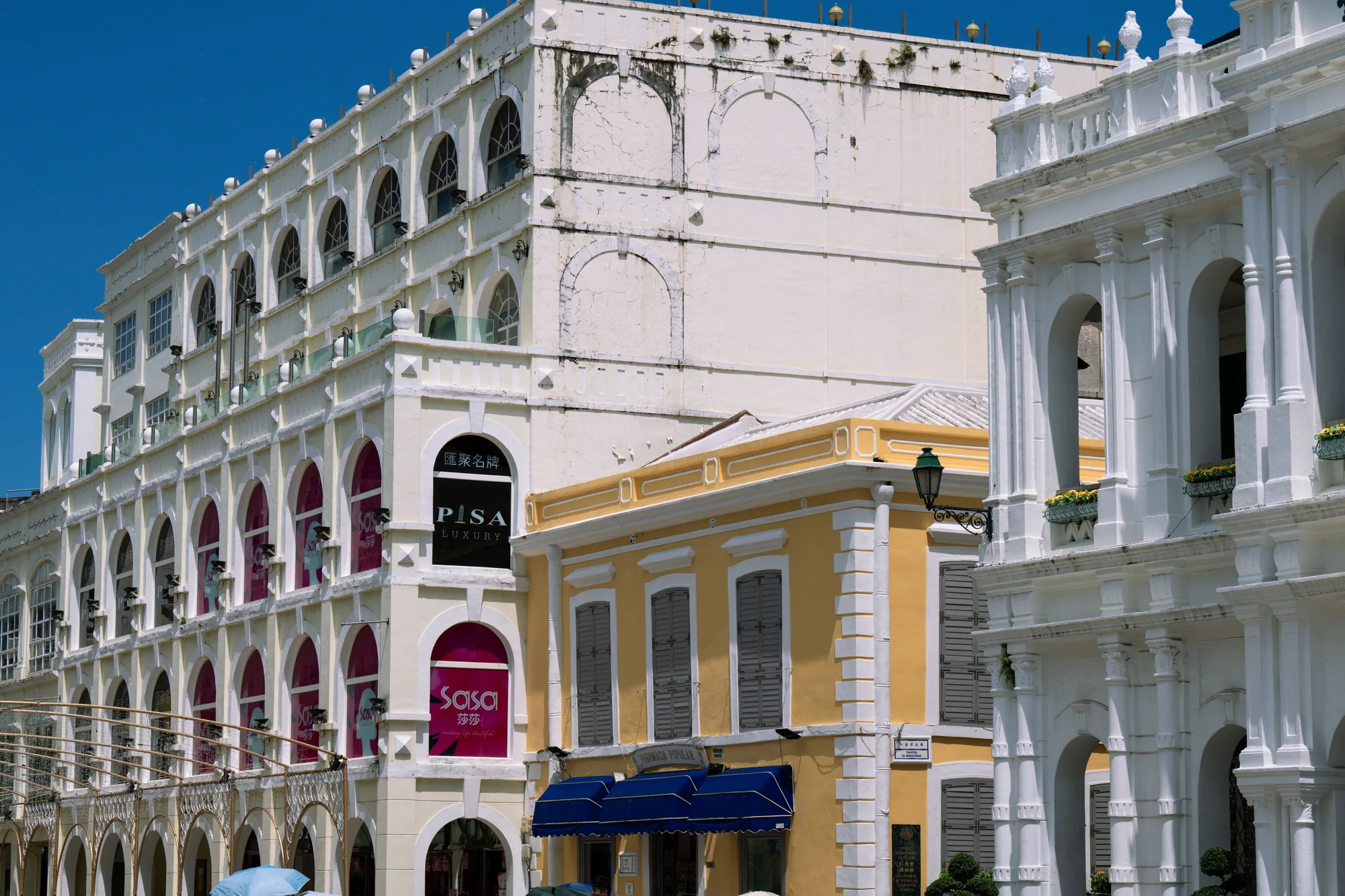
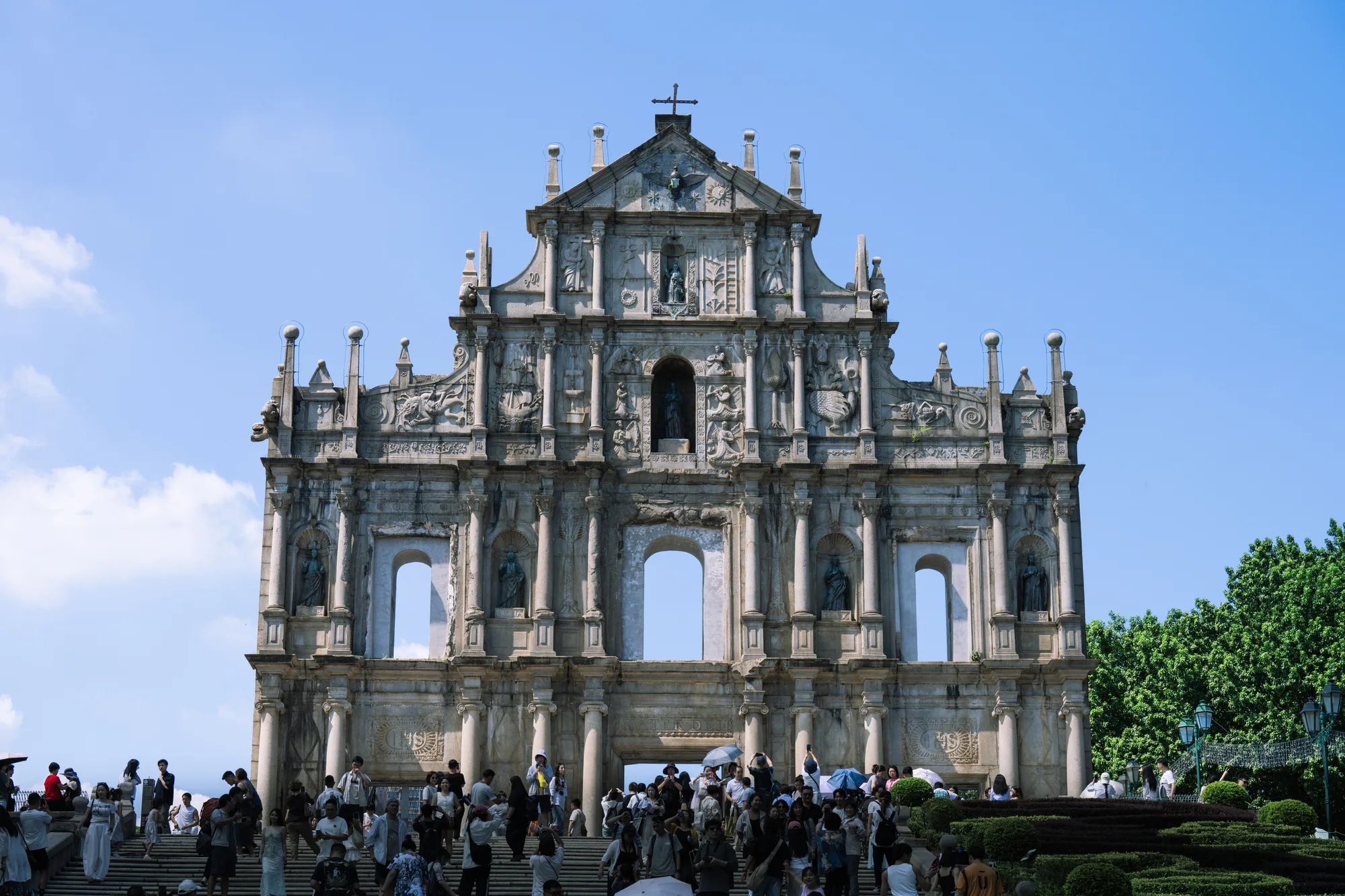
The Ruins of St. Paul's — the granite-and-sandstone facade of what was once Asia's largest Catholic church, built by Jesuits and Japanese Christian exiles between 1602 and 1640, then gutted by fire in 1835 and never rebuilt — stands at the top of a wide stone staircase as Macau's defining image and the anchor of its UNESCO-listed Historic Centre. The facade's five tiers blend European baroque with Chinese and Japanese decorative details: chrysanthemums beside Latin inscriptions, a bronze dove above carved dragons, evidence of the genuinely cross-cultural craftsmanship rare in colonial-era religious architecture. Behind the facade, the Museum of Sacred Art and Crypt displays relics and paintings salvaged from the original church and from other Macanese Catholic institutions. The surrounding Historic Centre of Macao packs 25 heritage sites into a compact old town: Senado Square's Portuguese wave-pattern pavement and pastel colonial buildings, the fortress of Monte, built alongside the church and offering city-wide views, and A-Ma Temple, a working Chinese temple older than Macau's Portuguese settlement itself and the namesake source of the city's name. Rua de Sao Paulo, the steep lane connecting Senado Square to the ruins, is lined with almond-cookie bakeries and pork-jerky vendors grilling samples over charcoal — Macau's edible souvenir trade in its most concentrated form. The whole historic core is walkable in half a day, though the bakeries reward lingering.
Trip Snapshot
Suitable For
Ruins of St. Paul's, in frame
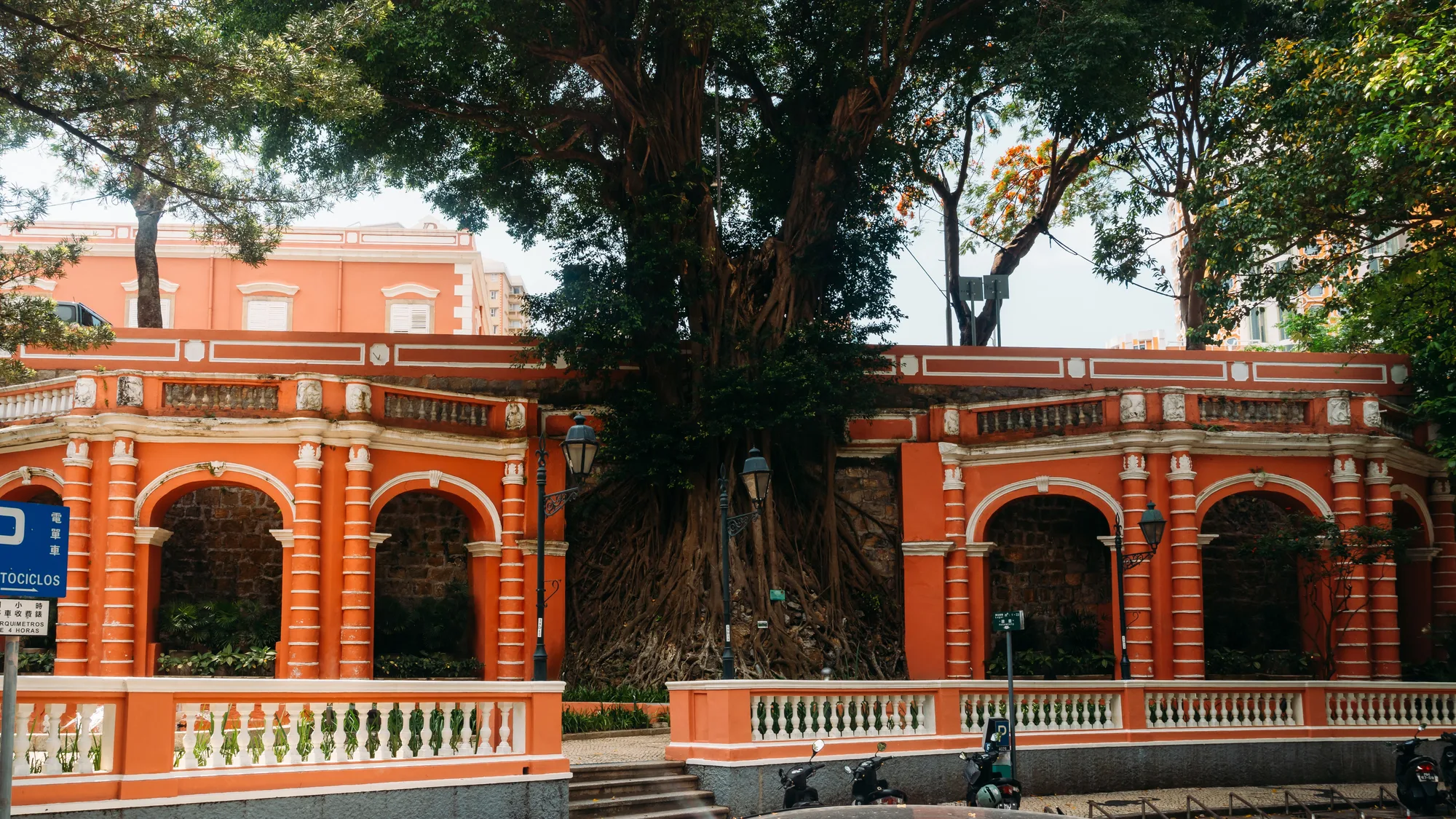
A quick visual sense of the landscapes, stays, and atmosphere your itinerary can be built around.
Ruins of St. Paul's questions, answered
When is the best time to visit Ruins of St. Paul's?
October to December
What is the weather like in Ruins of St. Paul's?
Humid subtropical, hot humid summers and mild winters, 15-31°C
Do I need a visa to travel to Macau?
Visa-free entry for Indian passport holders for stays up to 30 days, with visa-on-arrival also available at land and sea entry points. Visa rules change without notice — confirm current requirements with the destination's embassy or consulate before you book.
What currency is used in Macau?
MOP — Macanese Pataca
What languages are spoken in Macau?
Cantonese, Portuguese, Mandarin, English
Build a Ruins of St. Paul's itinerary around your dates.
Share your travel month, group size, budget comfort, and must-do experiences. The Taro team will shape the right route before any payment conversation.