Why Jeju Island works
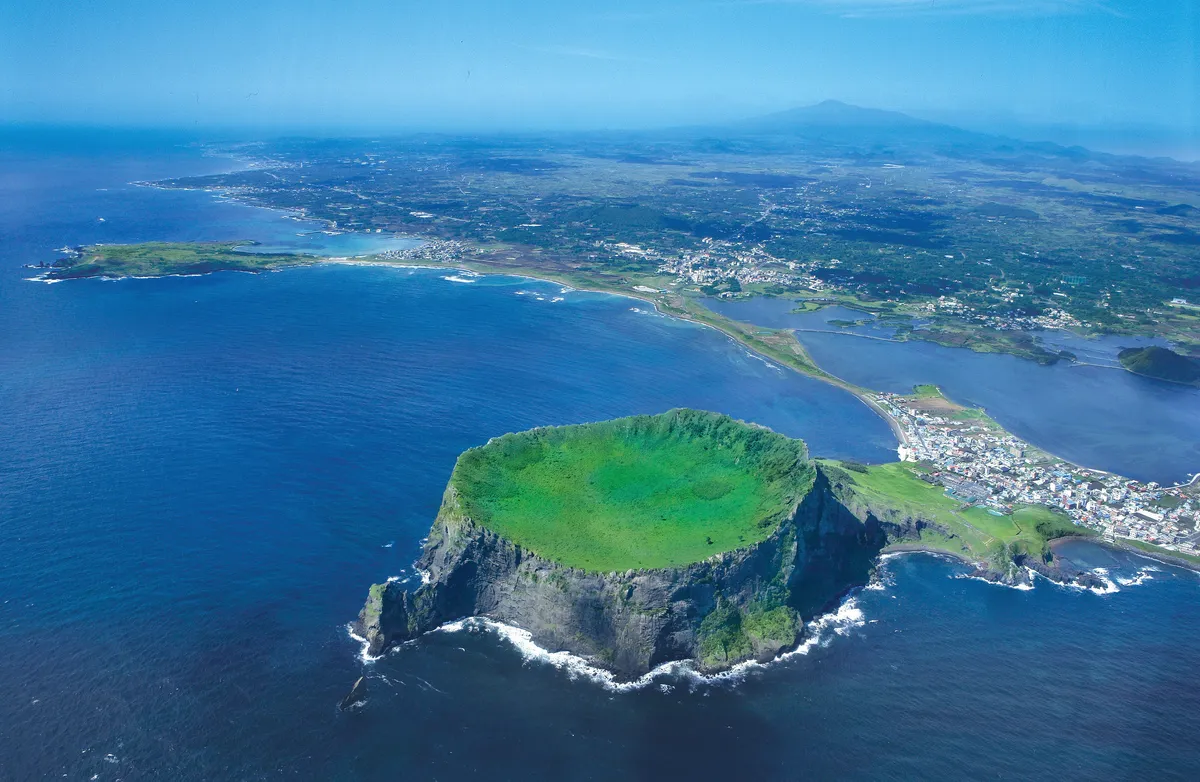
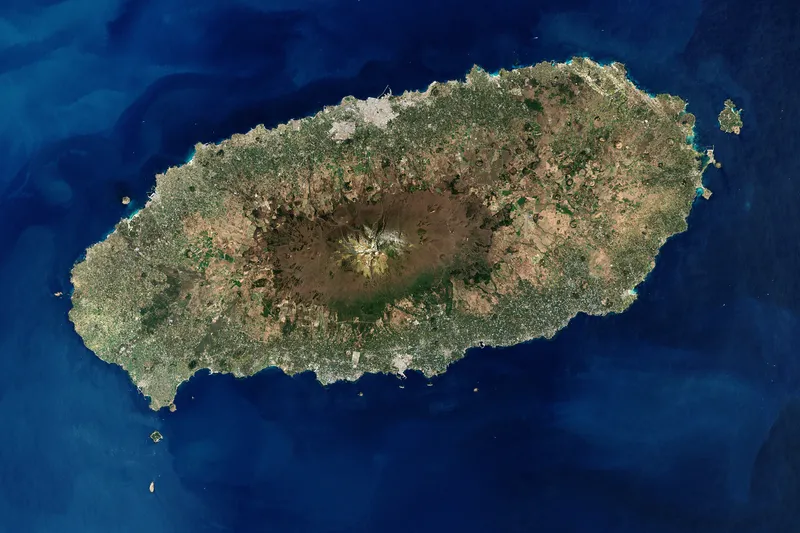
Jeju Island, formed by volcanic activity and dominated by the dormant shield volcano Hallasan at its centre, has a distinct culture and even dialect setting it apart from mainland Korea, shaped by centuries of relative isolation and a matriarchal fishing tradition still visible today. Seongsan Ilchulbong, a tuff cone crater rising dramatically from the sea at the island's eastern tip, is climbed most memorably at dawn, when its grassy crater rim and the surrounding coastline are lit in the first light — a UNESCO World Heritage Site and one of the island's defining images. The haenyeo, Jeju's famed free-diving sea women, have harvested abalone, sea urchin, and octopus without oxygen tanks for generations, a tradition now recognised by UNESCO as Intangible Cultural Heritage, and several coastal villages offer scheduled diving demonstrations. Manjanggul Cave, one of the world's longest lava tube systems, allows a walkable one-kilometre section revealing lava stalactites, columns, and a towering lava formation known as the Turtle-shaped Rock. Hallasan National Park's trails climb through changing vegetation zones to the crater lake at South Korea's highest peak, a challenging but non-technical full-day hike. Jeju's coastline is dotted with striking basalt formations including the Jusangjeolli cliffs' hexagonal columns, while the island's mandarin orange orchards, volcanic-soil produce, and black pork barbecue give it a distinct culinary identity within Korea.
Trip Snapshot
Suitable For
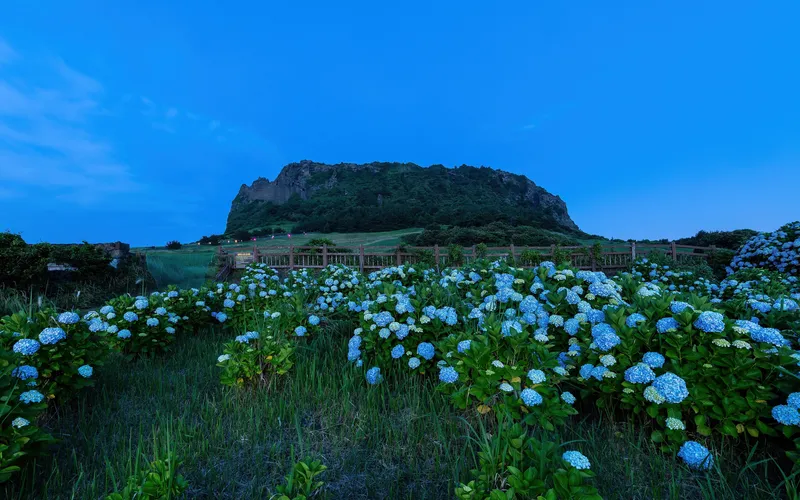
Jeju Island, in frame
A quick visual sense of the landscapes, stays, and atmosphere your itinerary can be built around.
Jeju Island questions, answered
When is the best time to visit Jeju Island?
April to June, September to November
What is the weather like in Jeju Island?
Oceanic, milder winters than mainland
Do I need a visa to travel to South Korea?
Visa required for Indian nationals (apply via Korean embassy/VFS). Visa rules change without notice — confirm current requirements with the destination's embassy or consulate before you book.
What currency is used in South Korea?
KRW — South Korean Won
What languages are spoken in South Korea?
Korean, Jeju dialect, limited English
Build a Jeju Island itinerary around your dates.
Share your travel month, group size, budget comfort, and must-do experiences. The Taro team will shape the right route before any payment conversation.