Why Salar de Uyuni works
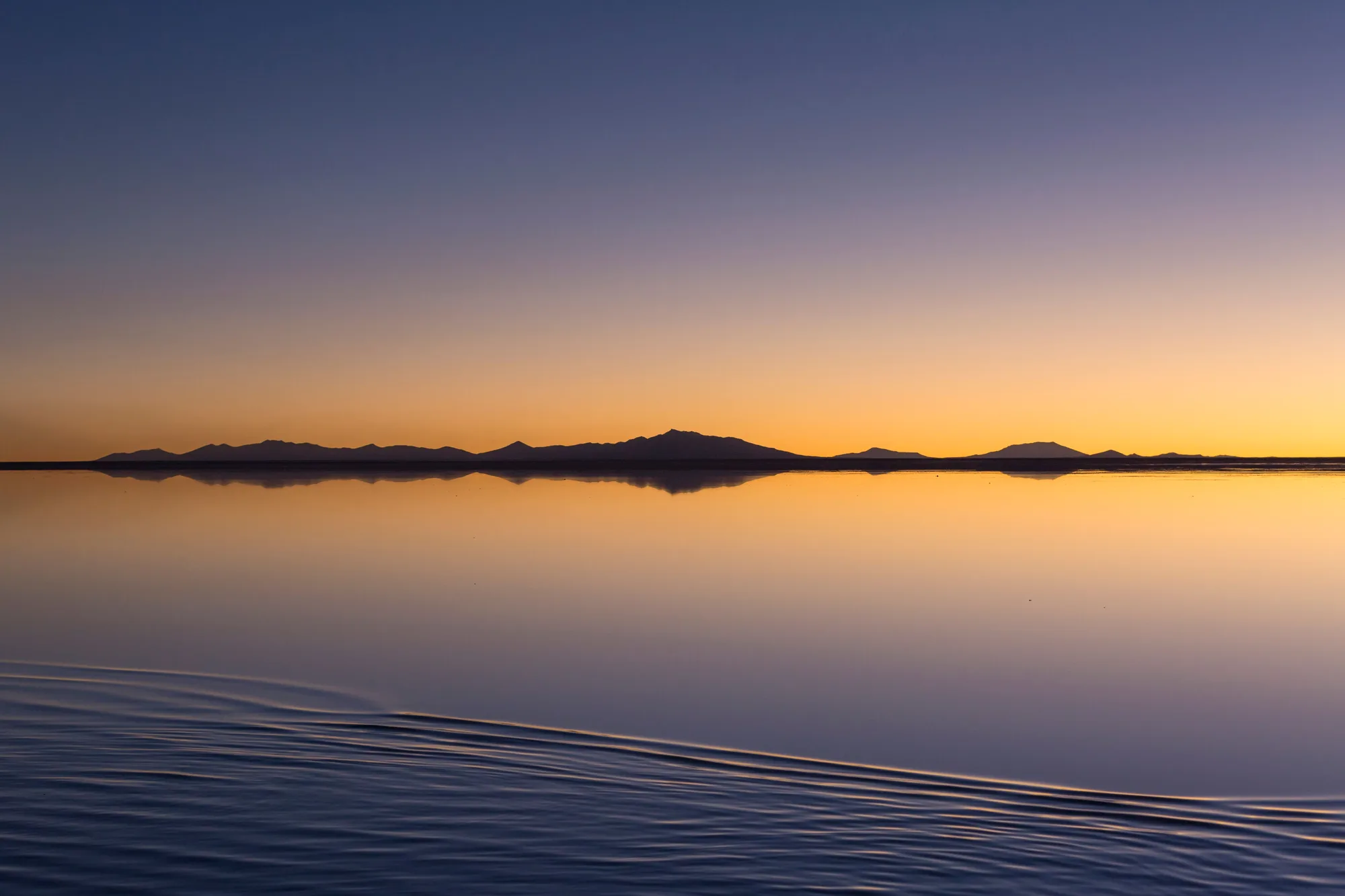
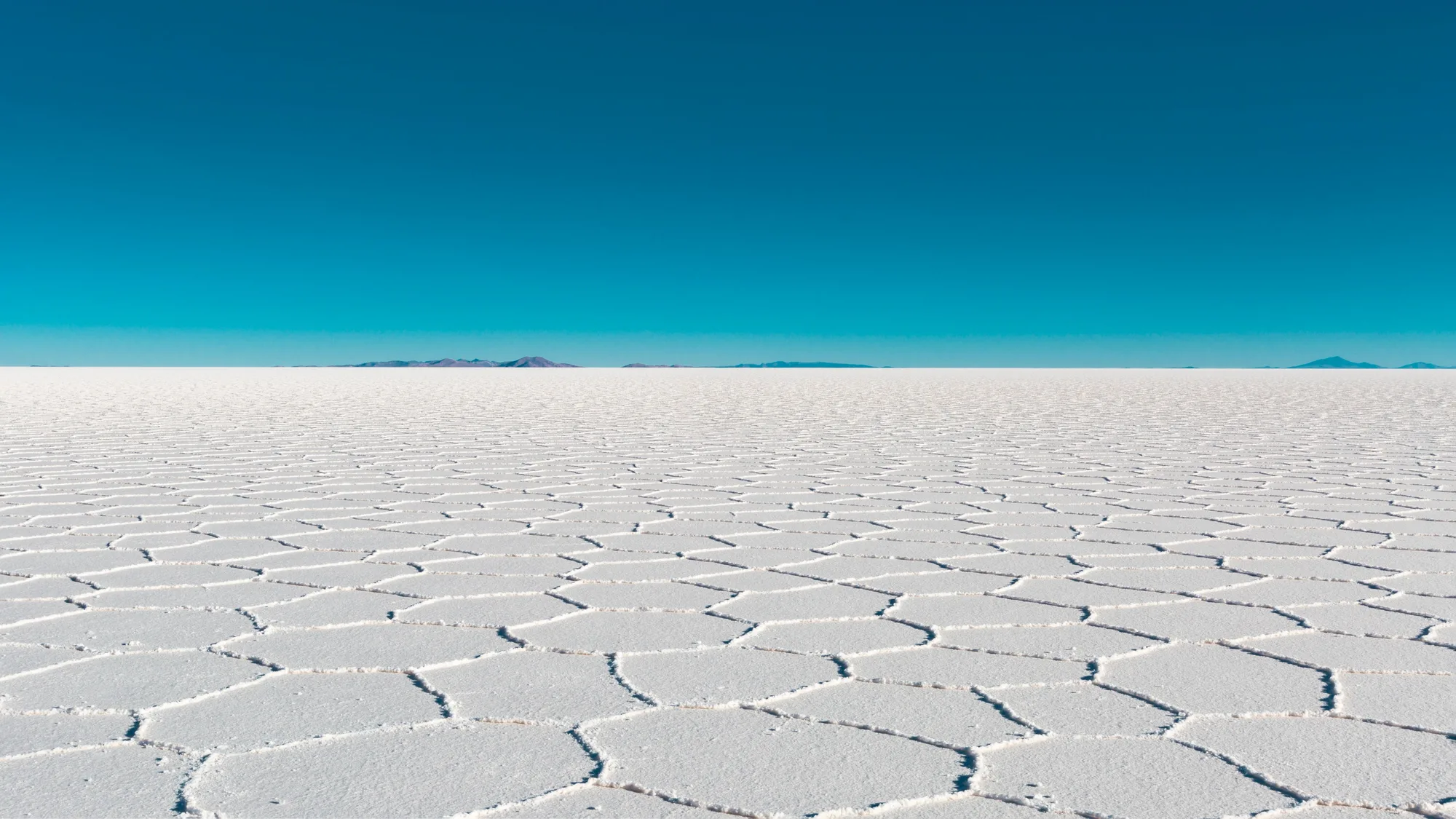
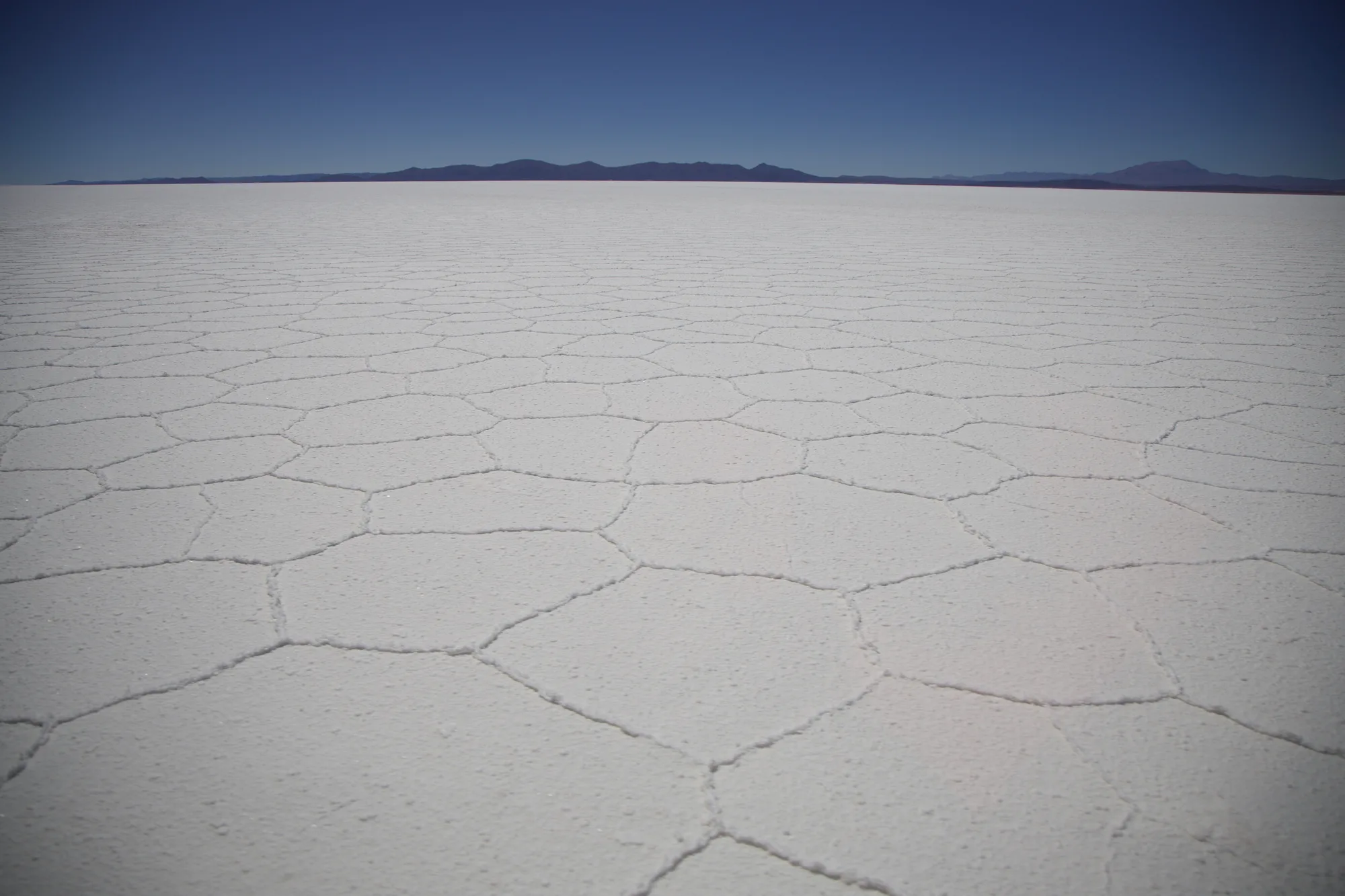
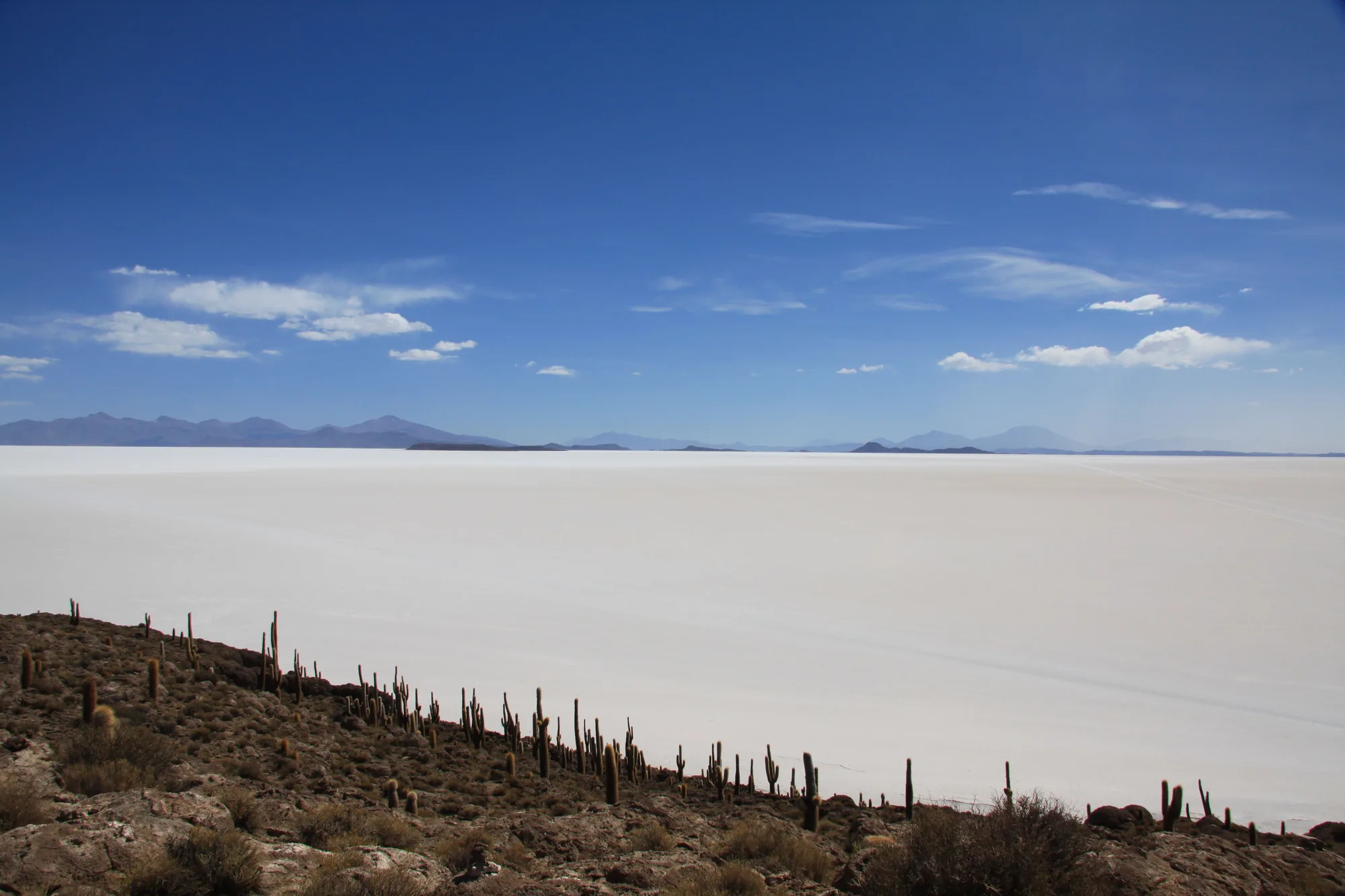
The Salar de Uyuni covers over 10,000 square kilometres of Bolivia's southwestern Altiplano, a prehistoric lakebed left behind as ancient Lake Minchin evaporated, leaving a crust of salt up to several metres thick in places. During the dry season the surface cracks into a vast honeycomb of white hexagons stretching in every direction, disorienting enough that classic perspective-trick photographs — tiny figures 'balancing' on giant water bottles — have become something of a rite of passage. Between December and April, a thin layer of rainwater transforms the flat into the world's largest natural mirror, doubling the sky so precisely that horizon lines vanish and jeeps appear to float. Isla Incahuasi, a rocky outcrop in the middle of the salar covered in metres-tall cacti up to 900 years old, offers the rare chance to walk on solid, elevated ground surrounded on all sides by white flatness. Multi-day tours typically continue south into the Eduardo Avaroa Reserve, where mineral-stained lagoons — Laguna Colorada's red water and Laguna Verde's green, both coloured by algae and mineral deposits — host flocks of James's, Chilean, and Andean flamingos against a backdrop of active geysers and geothermal fields. The nearby town of Uyuni itself is little more than a jumping-off point, its train cemetery of rusted 19th-century steam locomotives another popular quick stop. At over 3,650 metres elevation, nights drop well below freezing even in summer, and most tours run in unheated 4x4 vehicles across genuinely remote terrain — this is high-altitude, high-reward travel best undertaken with an experienced operator.
Trip Snapshot
Suitable For
Salar de Uyuni, in frame
A quick visual sense of the landscapes, stays, and atmosphere your itinerary can be built around.
Salar de Uyuni questions, answered
When is the best time to visit Salar de Uyuni?
May to November (dry, hexagon pattern) or December to April (wet, mirror effect)
What is the weather like in Salar de Uyuni?
High-altitude desert, -5 to 20°C, extreme temperature swings
Do I need a visa to travel to Bolivia?
e-Visa required for Indian nationals (apply online before travel) — verify visa rule before travel. Visa rules change without notice — confirm current requirements with the destination's embassy or consulate before you book.
What currency is used in Bolivia?
BOB — Bolivian Boliviano
What languages are spoken in Bolivia?
Spanish, Quechua, Aymara
Build a Salar de Uyuni itinerary around your dates.
Share your travel month, group size, budget comfort, and must-do experiences. The Taro team will shape the right route before any payment conversation.