Why Sacred Valley works
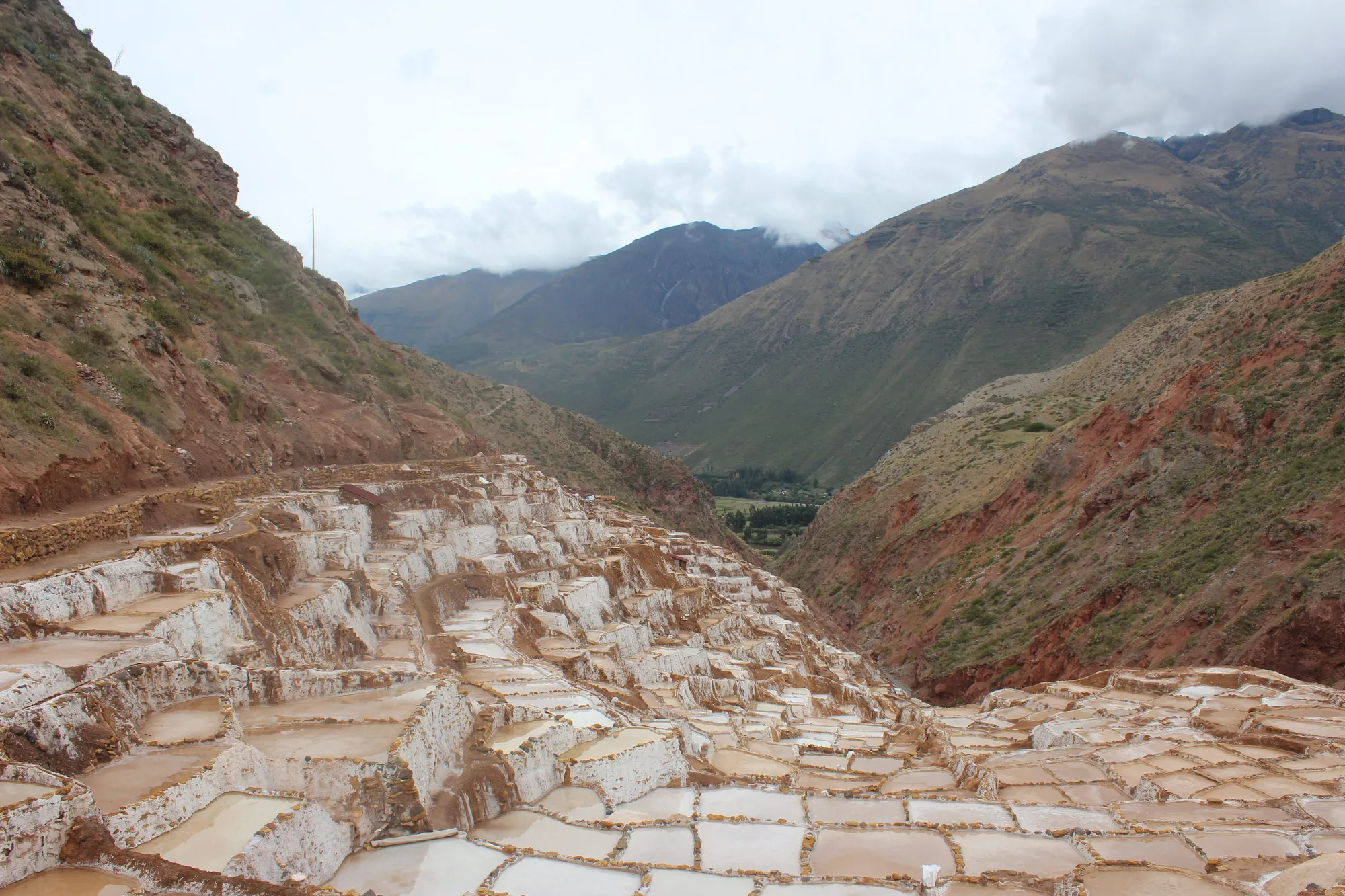
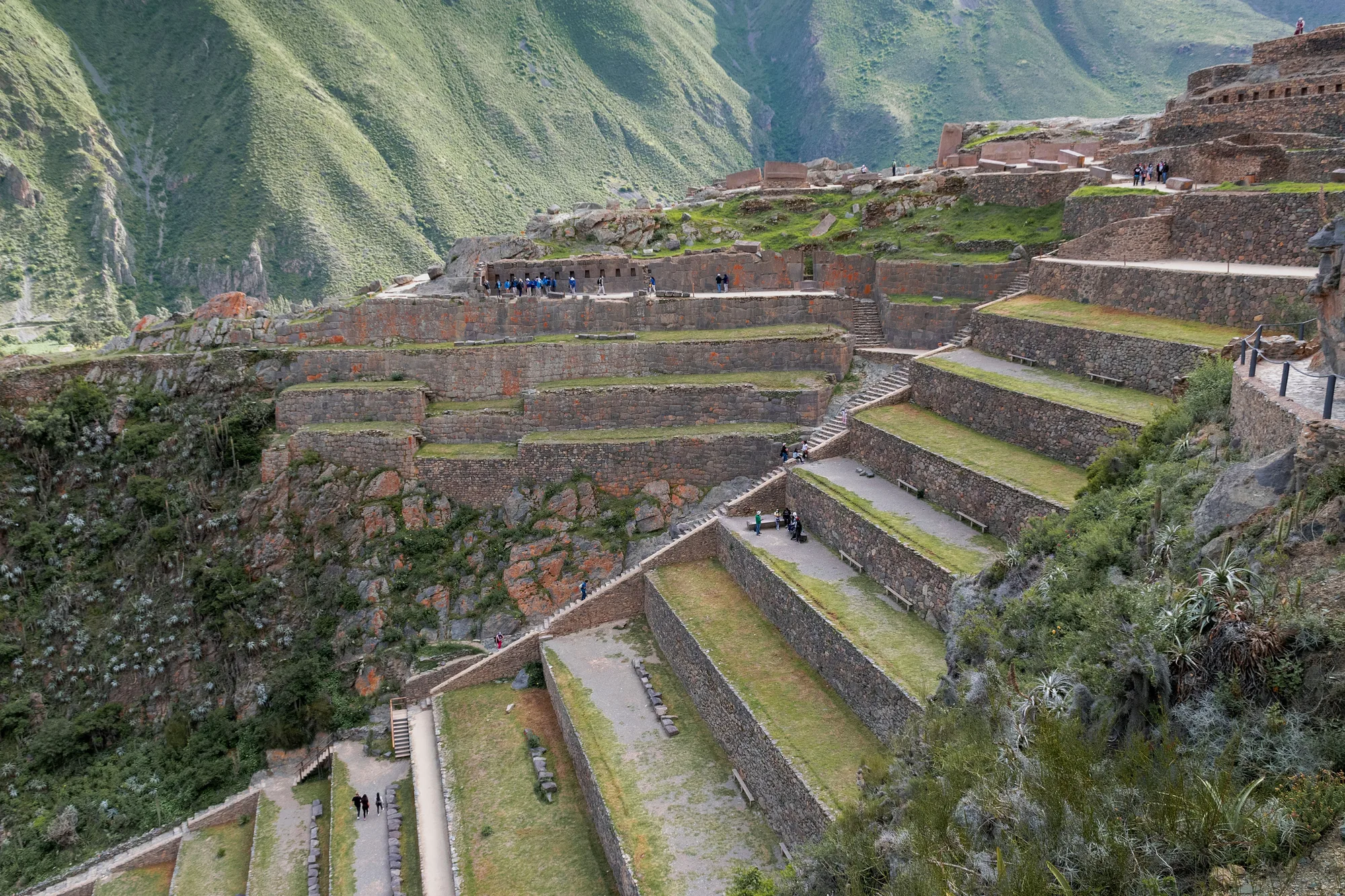
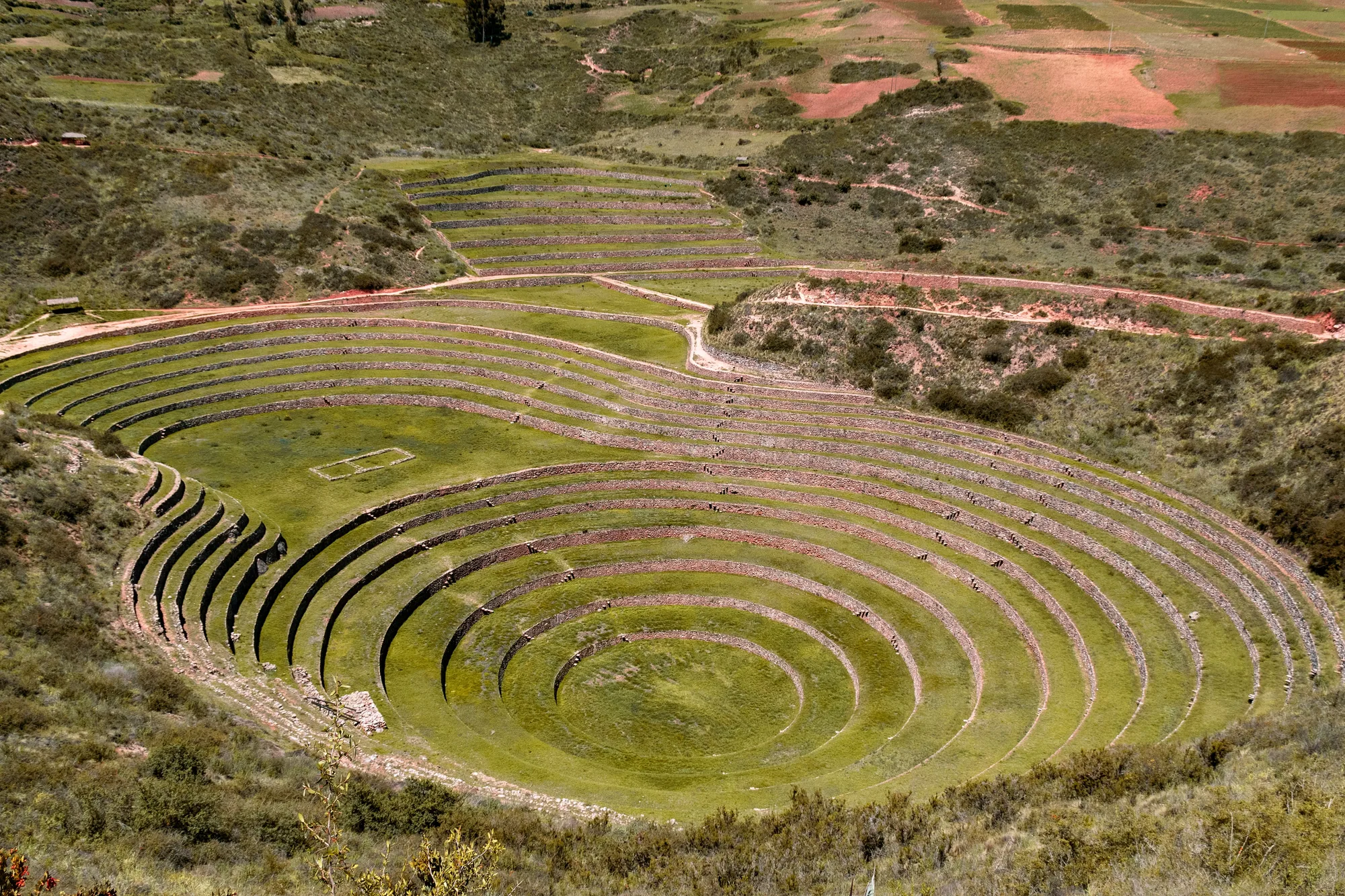
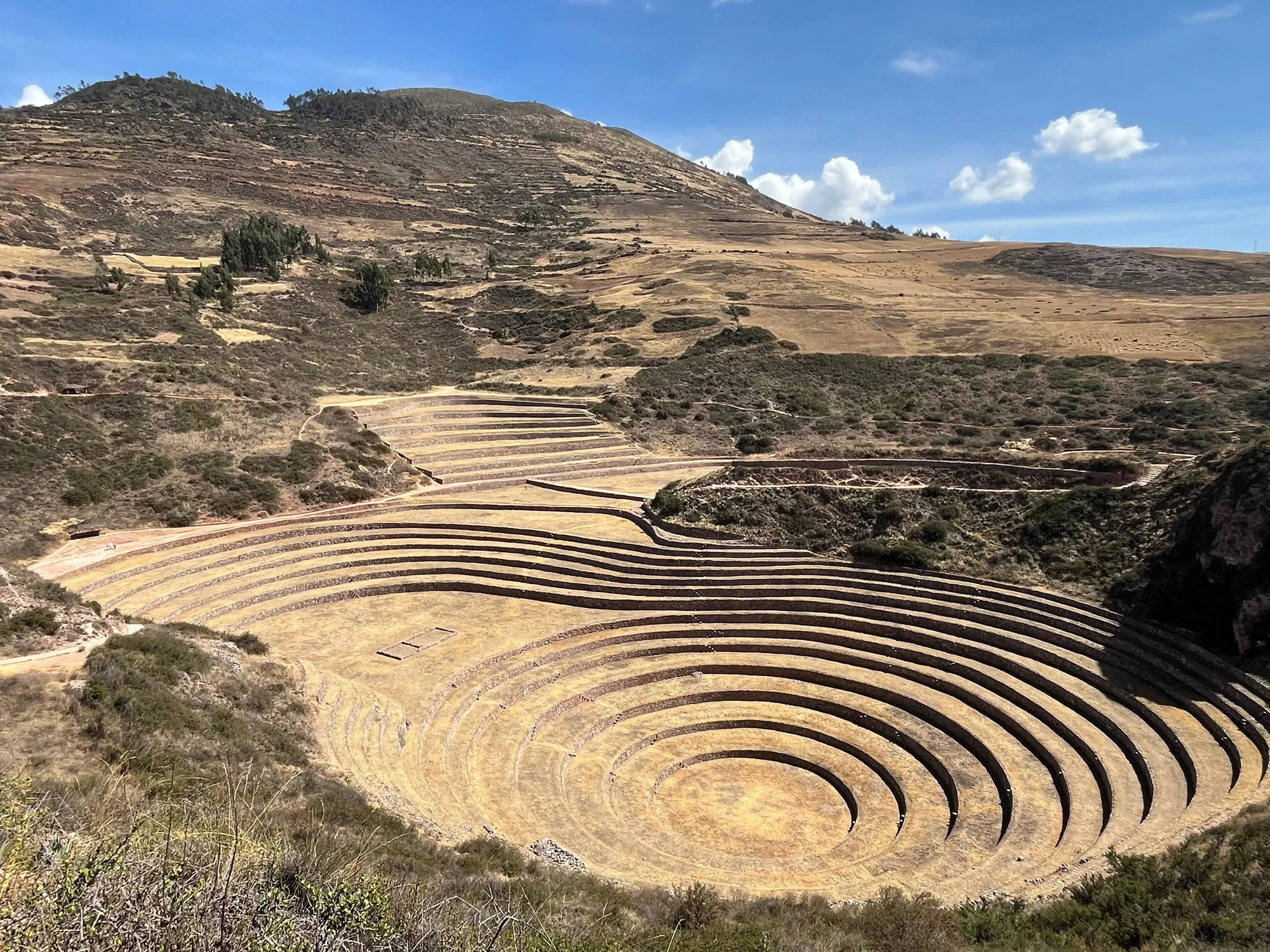
The Sacred Valley of the Incas follows the Urubamba River northwest from Cusco, its floor and terraced slopes still farmed much as they were 500 years ago, corn and potatoes grown on the same stone-walled andenes the Incas engineered for altitude-adjusted microclimates. Moray, the valley's most photographed agricultural site, consists of concentric circular terraces descending into a natural depression — long theorised as an Inca crop-testing laboratory, since temperature can vary by several degrees between the top and bottom rings. A short drive away, the Salineras de Maras cascade down a hillside in thousands of small pale-pink pools, salt evaporation pans fed by a subterranean spring and still worked by local families using techniques essentially unchanged since pre-Inca times. Ollantaytambo, at the valley's western edge, is both a still-inhabited Inca town — its narrow water-channelled streets laid out on the original grid — and a formidable terraced fortress that was one of the few sites where the Inca successfully repelled a Spanish assault, in 1537. Pisac's Sunday market draws vendors from surrounding highland villages selling textiles and produce beneath its own set of Inca ruins terracing the mountainside above town. Most Machu Picchu-bound travellers pass through the valley by train without stopping, but a full day exploring Moray, Maras, and Ollantaytambo — ideally with an overnight in the valley itself, at a lower altitude than Cusco — adds essential context to the more famous ruins still to come.
Trip Snapshot
Suitable For
Sacred Valley, in frame
A quick visual sense of the landscapes, stays, and atmosphere your itinerary can be built around.
Sacred Valley questions, answered
When is the best time to visit Sacred Valley?
May to September (dry season)
What is the weather like in Sacred Valley?
Highland, 8-22°C, milder than Cusco
Do I need a visa to travel to Peru?
Visa-free entry for Indian nationals for stays up to 90 days — verify visa rule before travel. Visa rules change without notice — confirm current requirements with the destination's embassy or consulate before you book.
What currency is used in Peru?
PEN — Peruvian Sol
What languages are spoken in Peru?
Spanish, Quechua, English in tourist areas
Build a Sacred Valley itinerary around your dates.
Share your travel month, group size, budget comfort, and must-do experiences. The Taro team will shape the right route before any payment conversation.