Why Rotorua works
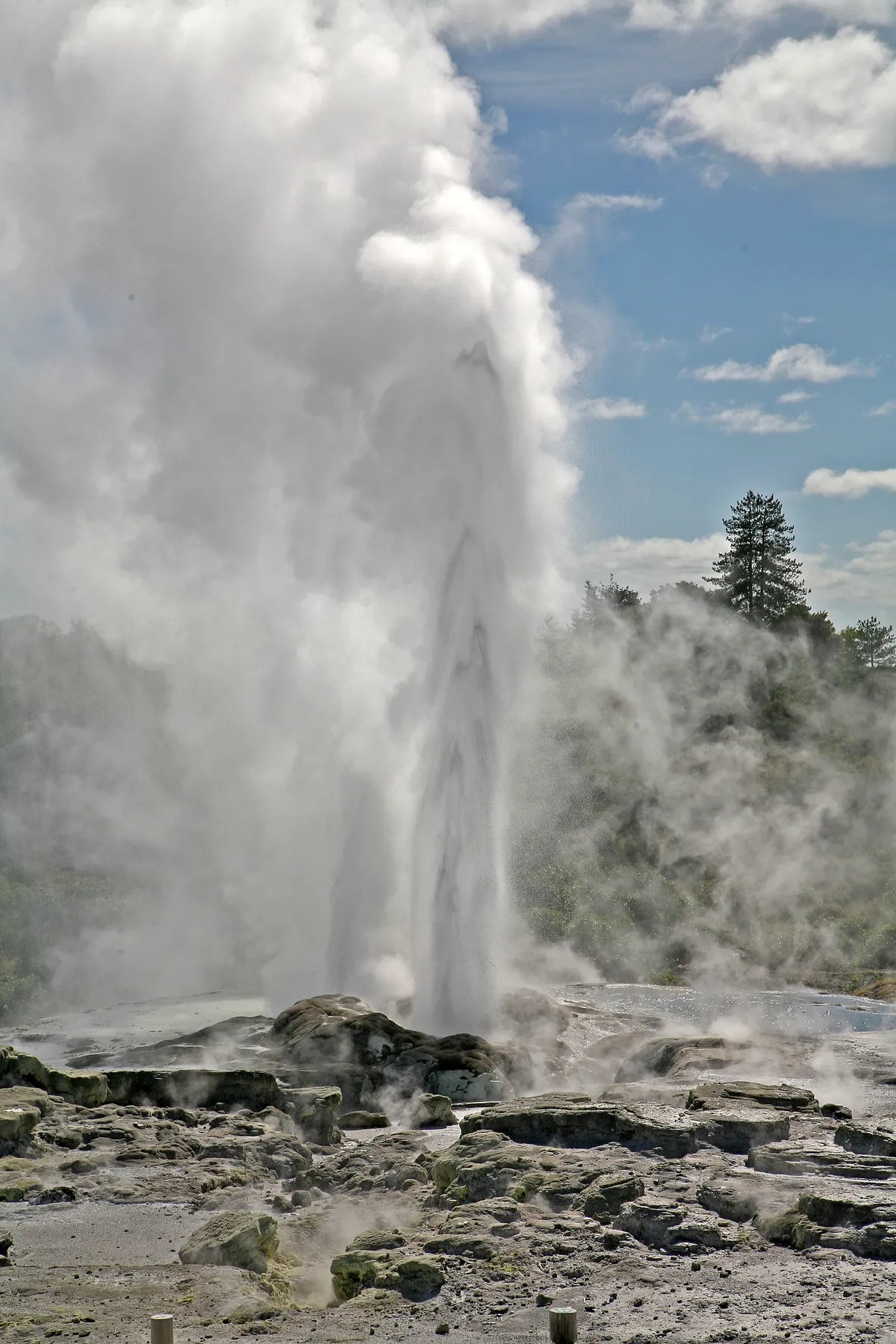
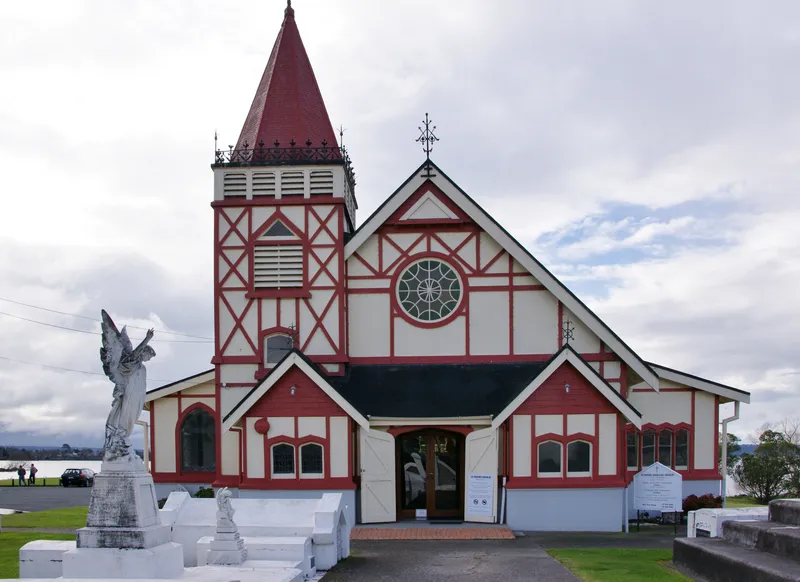
Rotorua sits within an active volcanic caldera, and geothermal activity surfaces throughout the town itself — steam rises from storm drains and public parks, and the persistent smell of sulphur has earned it the nickname 'Sulphur City' among visitors, though locals barely notice it. Whakarewarewa, a living Maori village built around a geothermal valley, has been continuously inhabited for generations, its residents using natural steam vents for cooking and communal hot pools for bathing, and offers guided cultural tours alongside the Te Puia complex's Pohutu Geyser, which erupts up to 20 times a day to heights of 30m. Rotorua holds one of New Zealand's deepest concentrations of Maori cultural heritage, and evening hangi experiences — where guests are welcomed with a traditional powhiri ceremony, watch a haka performance, and eat food slow-cooked in an earth oven — offer a widely respected introduction to Maori tradition rather than a staged tourist gimmick. The Waimangu Volcanic Valley, formed by the catastrophic 1886 Mount Tarawera eruption, remains the youngest geothermal system in the world and holds the vivid green Inferno Crater Lake. Beyond geothermal sights, the Redwoods forest offers a treetop canopy walkway through towering Californian sequoias planted in 1901, and the surrounding lakes support trout fishing considered among the finest in the Southern Hemisphere.
Trip Snapshot
Suitable For
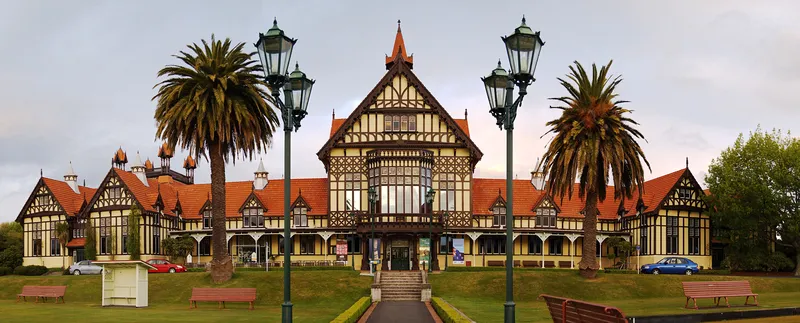
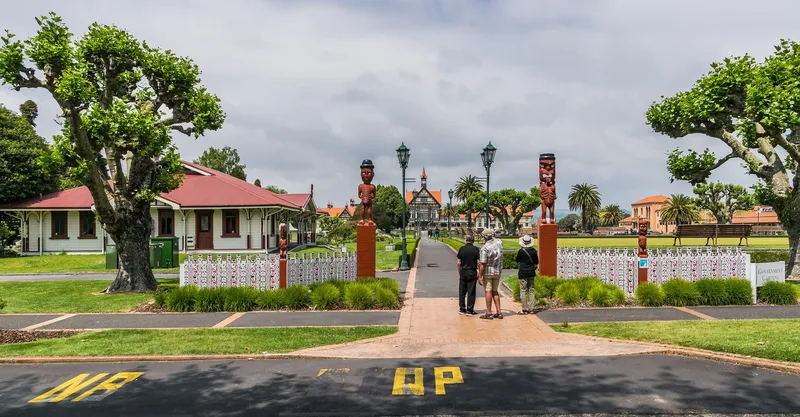
Rotorua, in frame
A quick visual sense of the landscapes, stays, and atmosphere your itinerary can be built around.
Rotorua questions, answered
When is the best time to visit Rotorua?
December to February (summer), September to November (spring)
What is the weather like in Rotorua?
Temperate, 5-24°C depending on season
Do I need a visa to travel to New Zealand?
New Zealand NZeTA required for Indian nationals; visitor visa for longer stays. Visa rules change without notice — confirm current requirements with the destination's embassy or consulate before you book.
What currency is used in New Zealand?
New Zealand Dollar (NZD)
What languages are spoken in New Zealand?
English, Maori
Build a Rotorua itinerary around your dates.
Share your travel month, group size, budget comfort, and must-do experiences. The Taro team will shape the right route before any payment conversation.