Why Ras Al Khaimah works
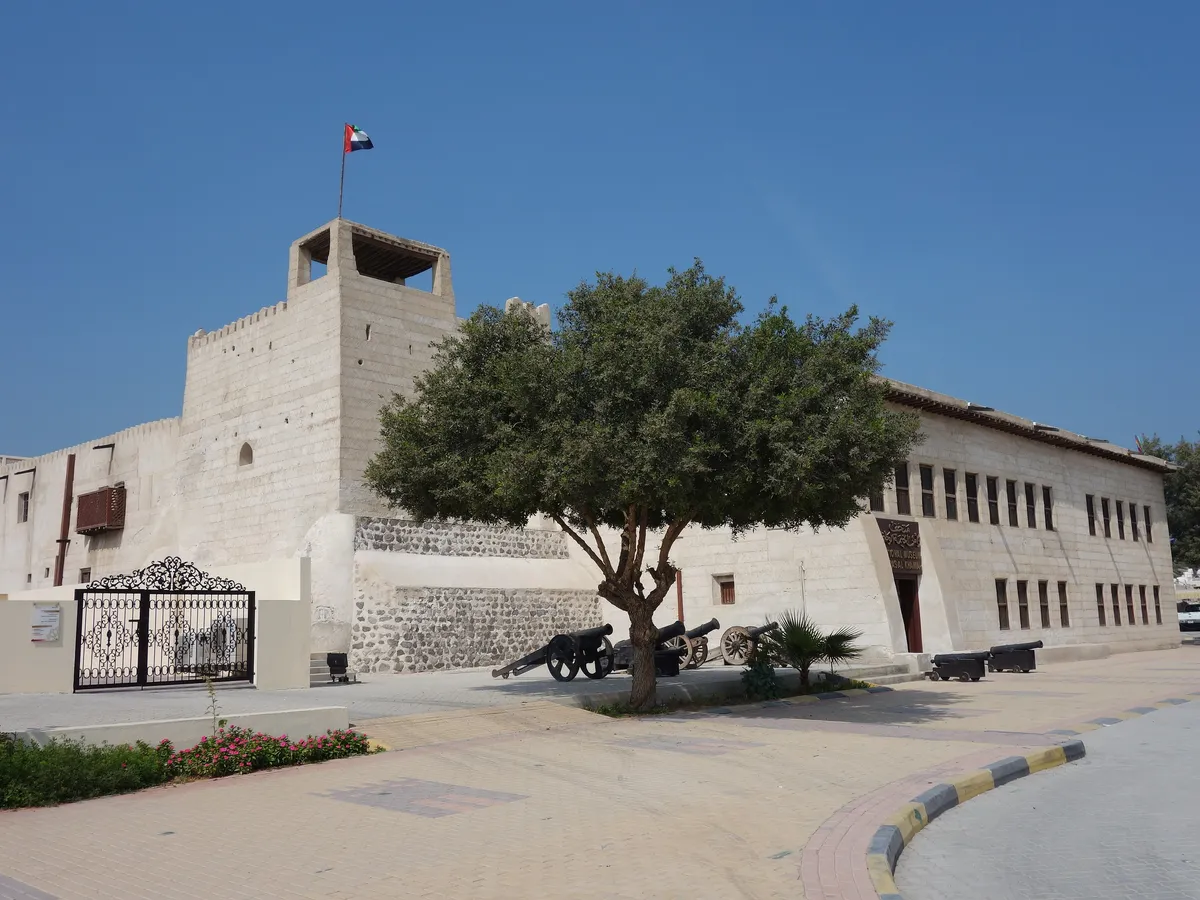
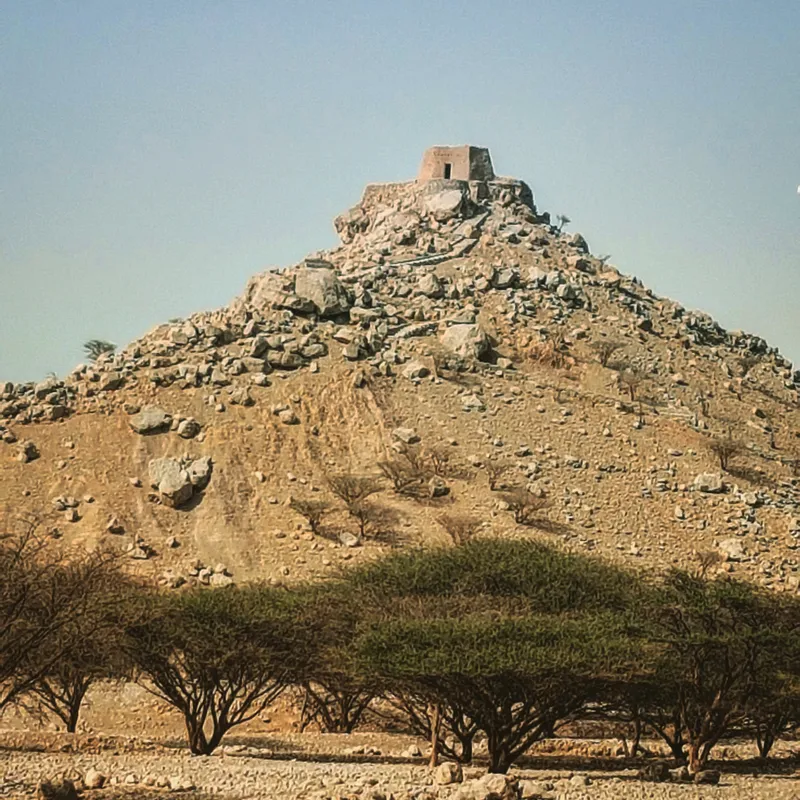
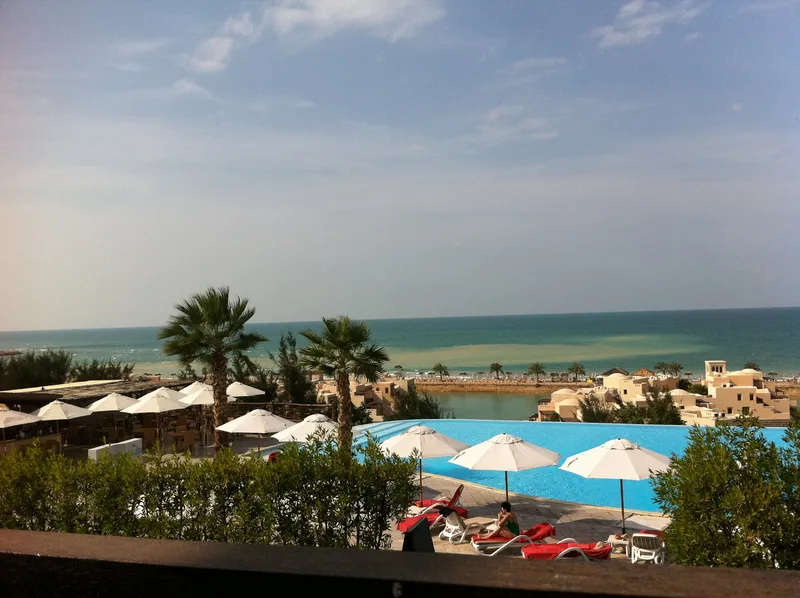
Ras Al Khaimah is the UAE's outdoor emirate: Jebel Jais, the country's highest peak, hosts the Jais Flight — at over 2.8 kilometres, the world's longest zipline — alongside via ferrata climbing routes and a mountain-top viewing deck that catches winter fog rolling through the Hajar range. Below the peaks, the old town's watchtowers and the National Museum, housed in a former royal fort, trace RAK's pearling and trading past. The coastline stays understated by UAE standards — Al Marjan Island's man-made beaches and a run of resort properties offer calmer alternatives to Dubai's Marina crowds, at noticeably gentler prices. Dhayah Fort, perched on the emirate's last hilltop stronghold, rewards a short climb with views over lagoons and date plantations. Inland, the Wadi Shawka and Siji canyons draw hikers and via-ferrata climbers, while Suwaidi Pearl Farm runs tours into the region's original industry before oil. RAK works well as a two- or three-night mountain-and-beach add-on to a Dubai itinerary, especially for travellers chasing cooler air and open landscapes.
Trip Snapshot
Suitable For
Ras Al Khaimah, in frame
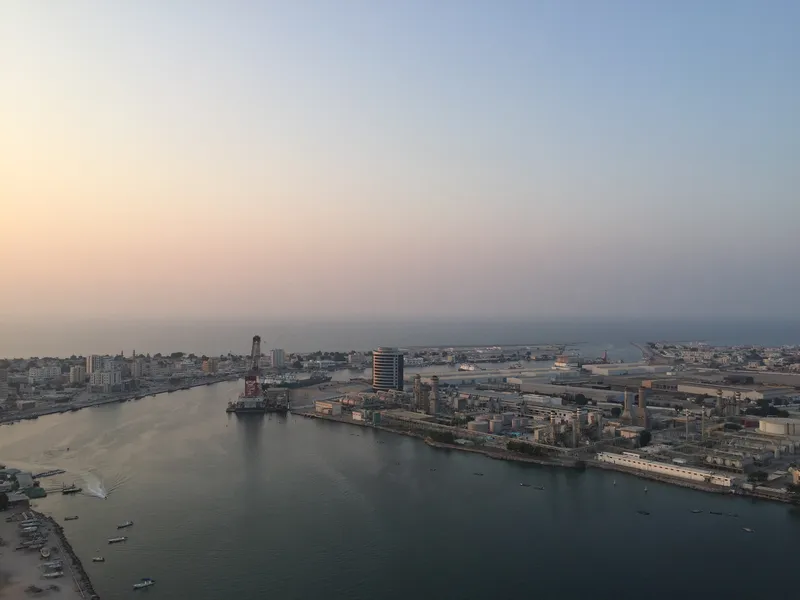
A quick visual sense of the landscapes, stays, and atmosphere your itinerary can be built around.
Ras Al Khaimah questions, answered
When is the best time to visit Ras Al Khaimah?
November to March
What is the weather like in Ras Al Khaimah?
Desert and mountain, 15-38°C
Do I need a visa to travel to UAE?
e-Visa required for Indian nationals (apply online before travel). Visa rules change without notice — confirm current requirements with the destination's embassy or consulate before you book.
What currency is used in UAE?
AED — UAE Dirham
What languages are spoken in UAE?
Arabic, English widely spoken
Build a Ras Al Khaimah itinerary around your dates.
Share your travel month, group size, budget comfort, and must-do experiences. The Taro team will shape the right route before any payment conversation.