Why Pondicherry works
Pondicherry, officially known as Puducherry, is the capital and most populous city of the Union Territory of Puducherry in India, sitting in the Puducherry district on the southeast coast, bordered by the Bay of Bengal to the east and surrounded by the state of Tamil Nadu, with which it shares much of its culture, heritage, and language. The name Puducherry is the Tamil interpretation of "new town," derived in part from "Poduke," a marketplace and Roman trading destination recorded in the Periplus of the Erythraean Sea as far back as the 1st century; the settlement was also once known as Vedapuri, as an abode of scholars versed in the Vedas.
Pondicherry's pre-colonial history passed through the Pallava dynasty from 325 to 900, the Cholas from 900 to 1279, the Pandyas from 1279 to 1370, the Nayaks of Gingee under the Vijayanagara Empire until 1614, and then the Sultan of Bijapur until 1638, during which period Portuguese and Danish merchants already used it as a trading post. The colonial era proper began with Portuguese traders in 1521, followed by the Dutch and Danes in the seventeenth century, before the French pioneer François Martin laid out the settlement in 1674; the Dutch briefly captured the town in 1693, restoring it in 1699 under the Treaty of Ryswick, and after France went on to acquire Mahé, Yanam, and Karaikal, the British seized and returned the city more than once during the Anglo-French wars before French rule, spanning a total of 138 years, ended on 31 October 1954.
That French period left the city its identity as "the French Riviera of the East," visible today in colonial buildings, churches, temples, and statues alongside French-style avenues in the old districts. Landmarks around Promenade Beach include the Dupleix Statue, the Gandhi and Nehru statues, Le Café, the French War Memorial, a nineteenth-century lighthouse, Bharathi Park, the Governors Palace, the Romain Rolland Library, and the Pondicherry Museum, while the Sri Aurobindo Ashram on Rue de la Marine, founded by the freedom fighter and spiritual philosopher Sri Aurobindo, is one of the most significant ashrams in India. Auroville, an experimental township eight kilometres northwest of the city, and the Arulmigu Manakula Vinayagar Devasthanam, a Hindu temple to Ganesha that predates the French arrival in 1666, round out the mix of colonial and older Tamil heritage sites.
Pondicherry has a tropical savanna climate under the Köppen classification, bordering on a dry-summer type, with summer running from March to early June and maximum temperatures reaching as high as 41°C between April and June against an average maximum of 36°C; a period of high humidity and occasional thundershowers follows from June to September. The northeast monsoon arrives in mid-October and brings the bulk of the city's annual rainfall of 1,355 millimetres between October and December, with smaller contributions from the southwest monsoon; the dry season runs January to June, and winters stay warm, with highs around 30°C and lows dipping to 18–20°C.
The city's coastline has changed markedly since a breakwater built in 1989 caused extreme coastal erosion, and the sand of Promenade Beach has disappeared entirely, with beach loss migrating further up the coast to fishing villages to the north; a two-kilometre seawall of granite boulders, reinforced yearly, now protects the city where a broad sandy beach once stood. The government has since taken steps to construct a reef and redistribute sand, and today the sea remains accessible from a stretch of Promenade Beach along Goubert Avenue, which is counted among the cleanest beaches in India and has been selected for Blue Flag certification.
- Pondicherry — Wikipedia, CC BY-SA 4.0
Text adapted from the linked articles under CC BY-SA 4.0; edited for length.
Trip Snapshot
Highlights
Suitable For
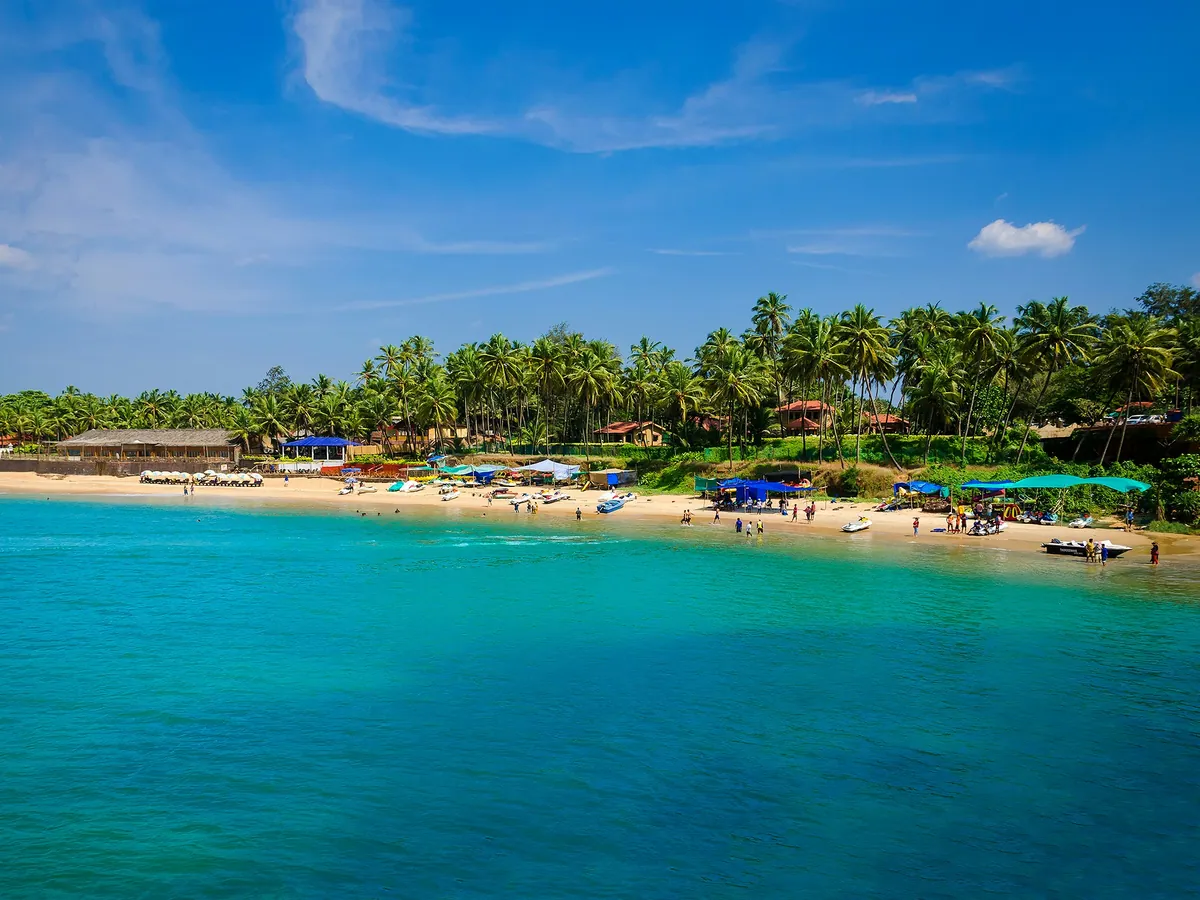
Pondicherry, in frame
A quick visual sense of the landscapes, stays, and atmosphere your itinerary can be built around.
Build a Pondicherry itinerary around your dates.
Share your travel month, group size, budget comfort, and must-do experiences. The Taro team will shape the right route before any payment conversation.