Why Cebu works
Cebu City holds the distinction of being the site of the first Spanish settlement in the Philippines, founded in 1565, and its historic core still centres on Magellan's Cross, planted (according to tradition) by the Portuguese explorer's expedition in 1521, and the adjacent Basilica del Santo Nino, home to the oldest Christian relic in the country and a major pilgrimage site during the January Sinulog festival. Fort San Pedro, a small triangular Spanish colonial fortress near the port, offers a quieter historical counterpoint to the city's dense, traffic-heavy modern centre. Beyond the city, Cebu province's real draw is its coastline and interior geography: Kawasan Falls, a multi-tiered turquoise cascade near Badian, has become one of the country's most popular canyoneering routes, involving cliff jumps and rappels down the river gorge between waterfall pools. Off Moalboal on the island's southwest coast, a resident sardine run — a dense, shifting bait ball of millions of fish — can be snorkelled directly from the shore of Panagsama Beach, a genuinely rare and spectacular encounter. Further south, Oslob has developed a controversial but hugely popular whale shark watching industry, where the gentle giants are drawn close to shore each morning, a practice that remains debated among marine conservationists even as it draws large numbers of visitors. Bantayan Island, off Cebu's northern tip, offers a quieter, less-developed beach alternative to the province's busier southern sites.
Trip Snapshot
Suitable For
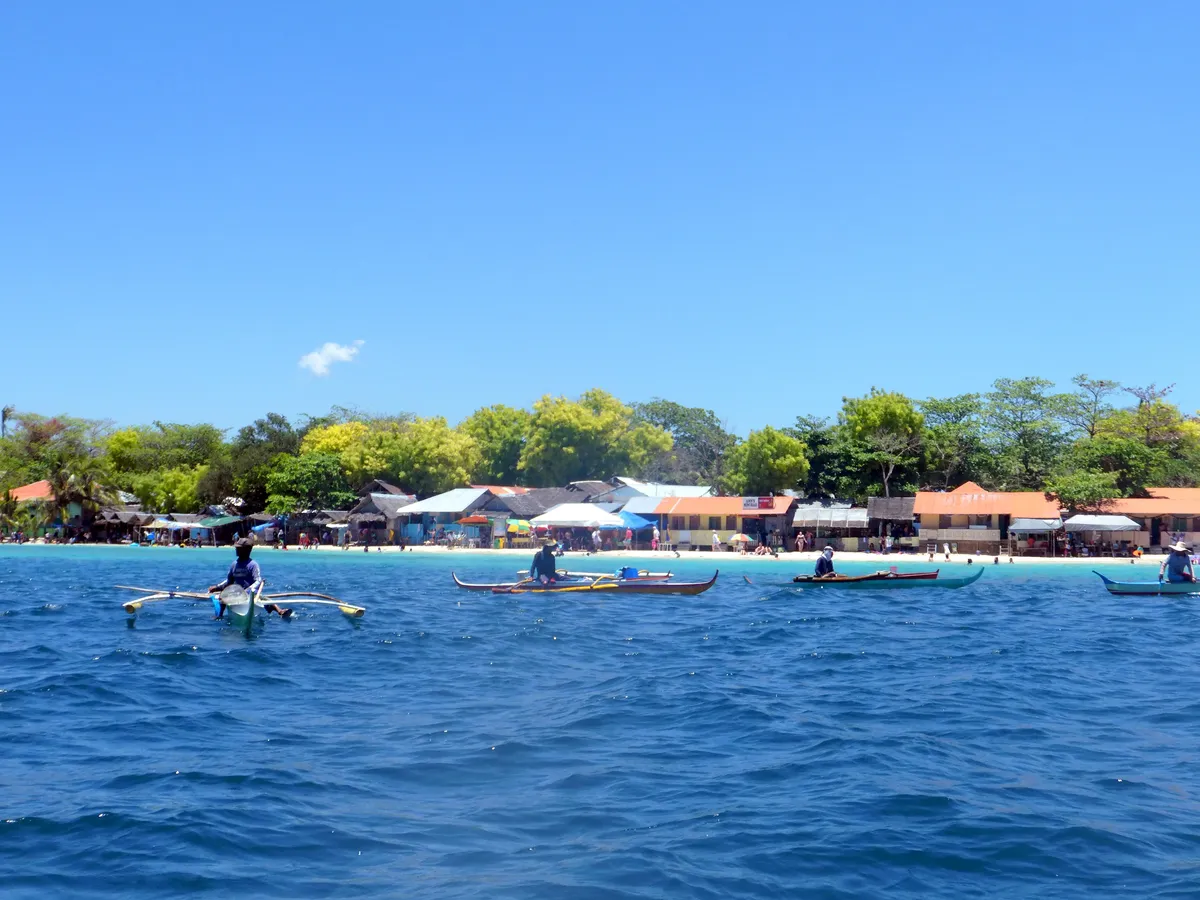
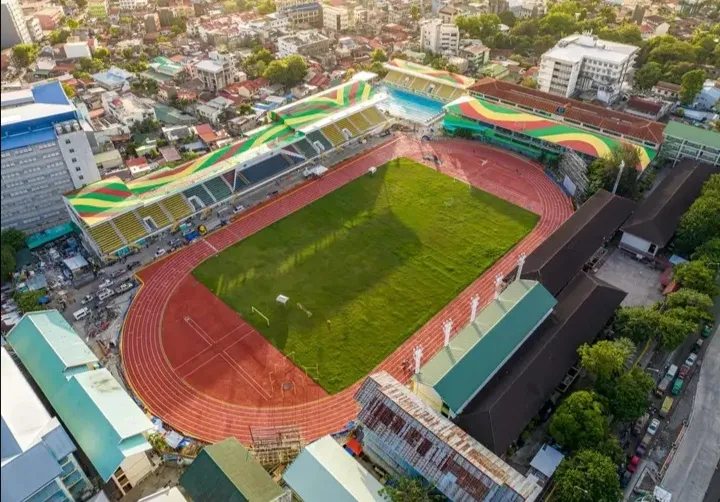
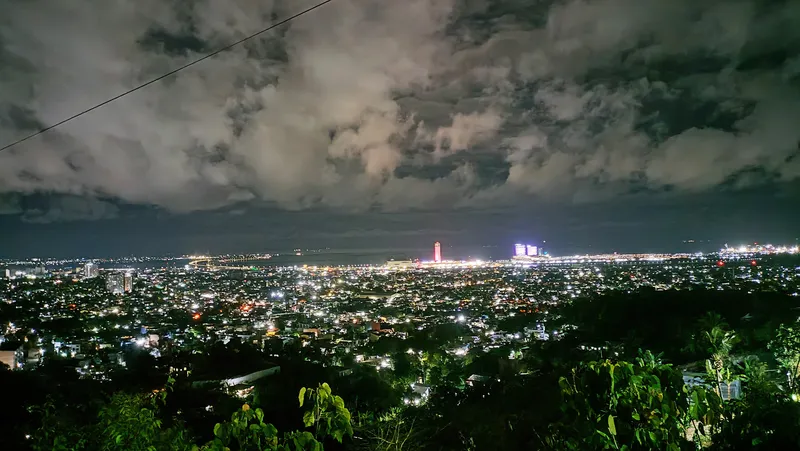
Cebu, in frame
A quick visual sense of the landscapes, stays, and atmosphere your itinerary can be built around.
Cebu questions, answered
When is the best time to visit Cebu?
December to May
What is the weather like in Cebu?
Tropical, dry season December-May
Do I need a visa to travel to Philippines?
Visa required for Indian nationals (e-visa available); visa-free if holding valid US/Schengen visa. Visa rules change without notice — confirm current requirements with the destination's embassy or consulate before you book.
What currency is used in Philippines?
PHP — Philippine Peso
What languages are spoken in Philippines?
Filipino, Cebuano, English widely spoken
Build a Cebu itinerary around your dates.
Share your travel month, group size, budget comfort, and must-do experiences. The Taro team will shape the right route before any payment conversation.