Why Petra works
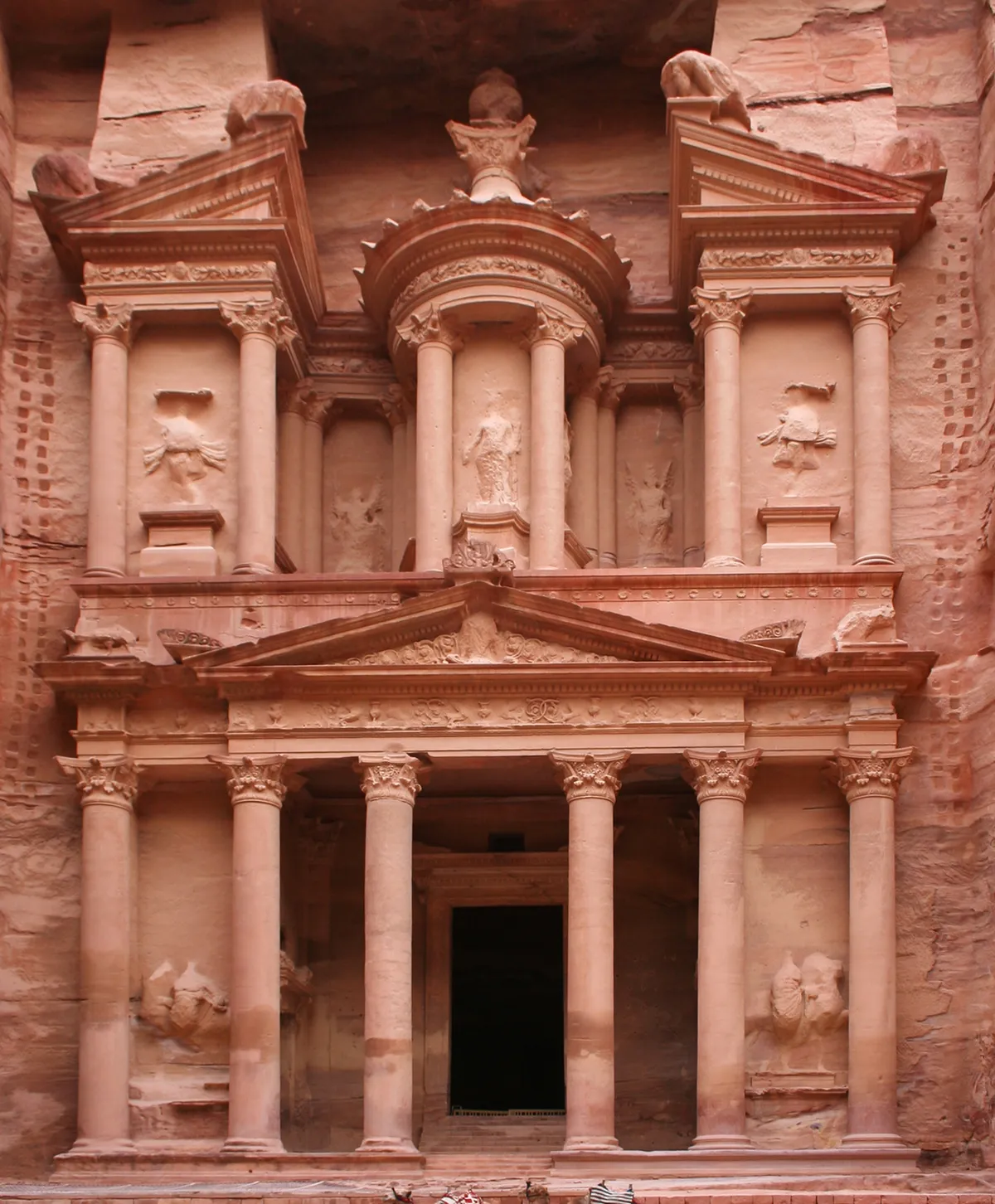
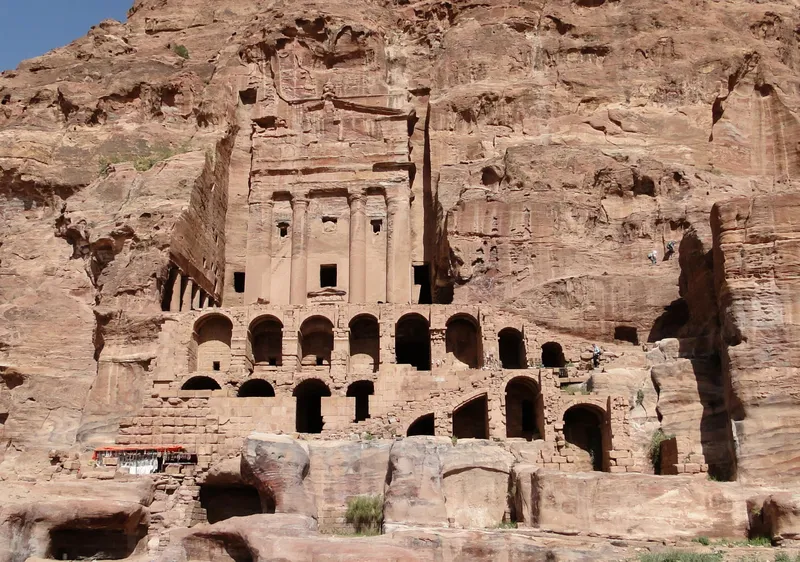
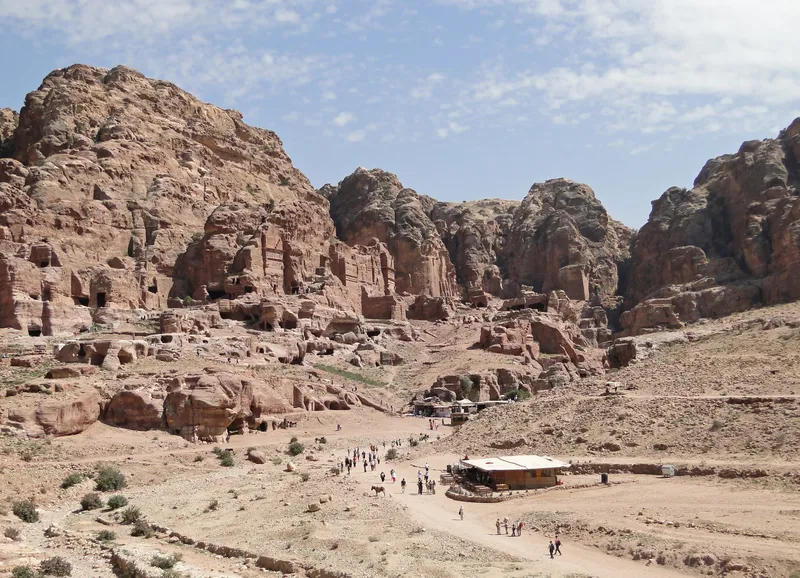
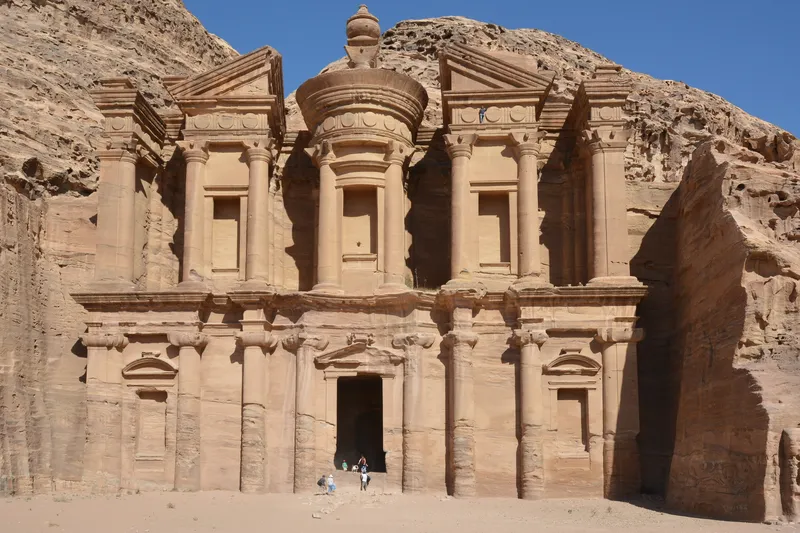
Petra needs little introduction — the Nabataean capital, carved directly into rose-red sandstone cliffs from around the 1st century BCE, remains one of the most complete ancient cities to survive largely intact, and rightly holds status as one of the New Seven Wonders of the World. The approach through the Siq, a narrow, kilometre-long sandstone gorge, builds toward the famous first glimpse of Al-Khazneh (the Treasury), its 40-metre façade emerging from the rock face in a moment most visitors describe as the trip's defining image. Beyond the Treasury, Petra unfolds across a far larger site than photographs suggest — the Street of Facades, the Royal Tombs, an intact Roman-influenced theatre, and, reached by roughly 800 rock-cut steps, the Monastery (Ad Deir), a monument even larger than the Treasury with dramatically fewer crowds given the climb required. Petra by Night, held several evenings a week, lights the Siq and Treasury forecourt entirely by candlelight for a more contemplative visit. The surrounding Petra Archaeological Park spans enough ground that a proper visit needs a minimum of two full days to cover both the main trail and the high places of sacrifice reached via mountain paths. Little Petra (Siq al-Barid), a smaller satellite site nearby, offers a quieter, less-visited coda. Petra alone justifies a Jordan trip.
Trip Snapshot
Suitable For
Petra, in frame
A quick visual sense of the landscapes, stays, and atmosphere your itinerary can be built around.
Petra questions, answered
When is the best time to visit Petra?
March to May and September to November
What is the weather like in Petra?
Desert highland, 5-38°C
Do I need a visa to travel to Jordan?
Visa on arrival for Indian nationals (or e-visa; Jordan Pass covers visa fee + major site entry). Visa rules change without notice — confirm current requirements with the destination's embassy or consulate before you book.
What currency is used in Jordan?
JOD — Jordanian Dinar
What languages are spoken in Jordan?
Arabic, English widely spoken in tourism areas
Build a Petra itinerary around your dates.
Share your travel month, group size, budget comfort, and must-do experiences. The Taro team will shape the right route before any payment conversation.