Why Namibia works
Namibia, officially the Republic of Namibia, is a country in Southern Africa bordered by the Atlantic Ocean to the west, Angola and Zambia to the north, Botswana to the east, and South Africa to the south. Windhoek is the capital and largest city, and at 825,615 square kilometres Namibia is the world's 34th-largest country. The country has been inhabited since prehistoric times by the San, Damara and Nama peoples, joined from around the fourteenth century by Bantu groups arriving as part of the wider Bantu expansion across the continent, with the Owambo later forming kingdoms such as Ondonga and Oukwanyama from around 1600.
The German Empire established colonial rule over most of the territory in 1884 as German South West Africa, a period that ended with a South African military defeat of German forces in 1915; South Africa then administered the territory under a League of Nations mandate from 1920, later extending its apartheid system to what was then called South West Africa. The UN General Assembly voted in 1968 to rename the territory Namibia in recognition of its people's wishes, and the country finally achieved independence in 1990, after which it transitioned smoothly from minority rule to a multiparty parliamentary democracy that has held regular elections ever since. In 2007, the prehistoric rock art site of Twyfelfontein, one of the largest concentrations of rock engravings anywhere in Africa, was inscribed as a UNESCO World Heritage Site.
Namibia's landscape divides into five broad regions: the Central Plateau, the Namib Desert, the Great Escarpment, the Bushveld and the Kalahari Desert, with the hyper-arid Namib stretching the length of the country's coastline in a band 100 to 200 kilometres wide that includes both the Skeleton Coast and the Namib Sand Sea. The Central Plateau holds Namibia's highest point, Königstein, at 2,573 metres, while the coast's cold Atlantic waters keep temperatures there markedly lower than further inland. Among the country's most visited sites are Sossusvlei, Fish River Canyon, the Skeleton Coast Park, Etosha Pan and the coastal towns of Swakopmund, Walvis Bay and Lüderitz.
As the driest country in sub-Saharan Africa, Namibia relies heavily on groundwater, drawn from more than 100,000 boreholes drilled over the past century, with the underground Ohangwena II aquifer, discovered in 2012 along the Angola-Namibia border, estimated capable of supplying 800,000 people in the north for 400 years at current rates of use. Rainfall averages only about 350 millimetres a year nationally, ranging from around 600 millimetres in the Caprivi Strip in the northeast to as little as 50 millimetres near the coast, and Namibia enjoys more than 300 days of sunshine a year under the sub-tropical high pressure belt that dominates its climate. Namibia's constitution specifically commits the state to maintaining the country's ecosystems and biodiversity, a rare constitutional provision that has supported community-based wildlife conservancies since the early 1990s.
Namibia is home to 200 terrestrial mammal species, 645 bird species and 115 fish species, including wild dog, dik-dik and the critically endangered black rhino, much of it protected across an extensive network of lodges, reserves and communal conservancies built around ecotourism. Tourism contributes about 14.5 percent of Namibia's GDP and supports close to a fifth of all employment in the country, drawing over a million visitors a year; Windhoek, close to Hosea Kutako International Airport, is visited by more than half of all tourists to Namibia thanks to its central location and role as the country's main gateway.
- Namibia — Wikipedia, CC BY-SA 4.0
Text adapted from the linked articles under CC BY-SA 4.0; edited for length.
Trip Snapshot
Highlights
Suitable For
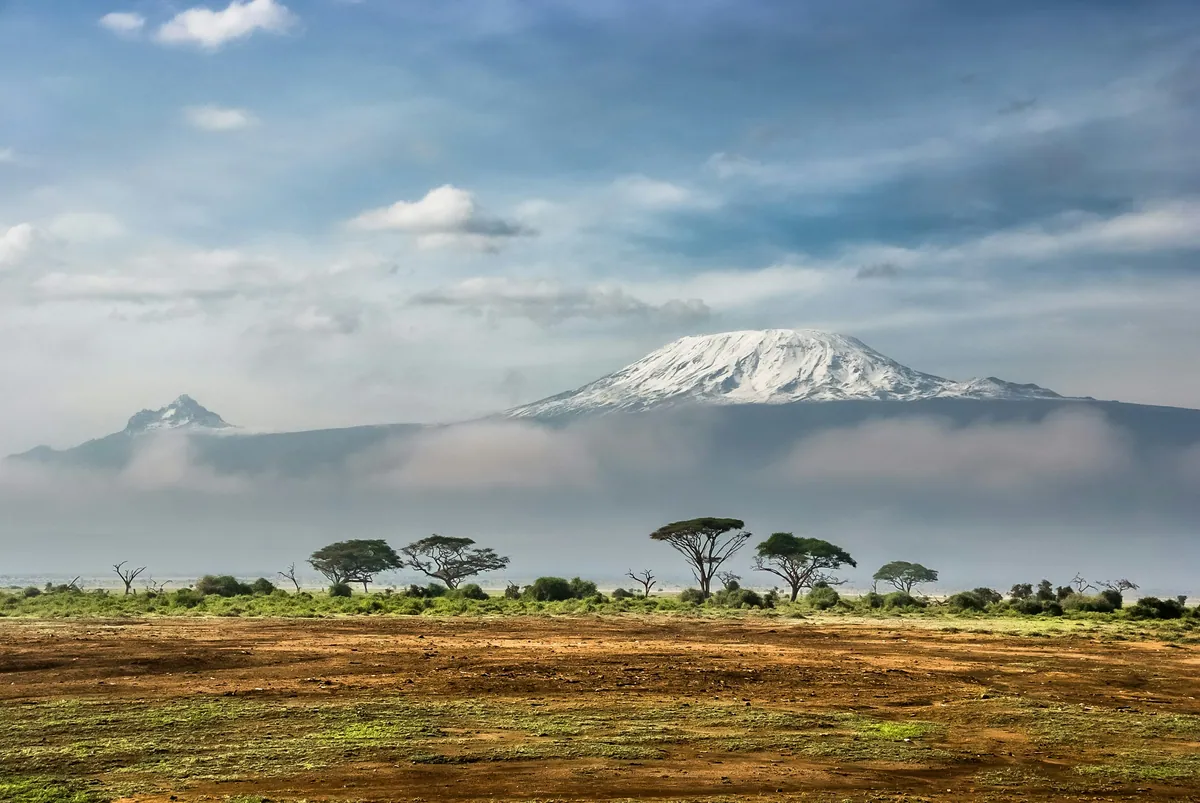
Namibia, in frame
A quick visual sense of the landscapes, stays, and atmosphere your itinerary can be built around.
Build a Namibia itinerary around your dates.
Share your travel month, group size, budget comfort, and must-do experiences. The Taro team will shape the right route before any payment conversation.