Why Muscat works
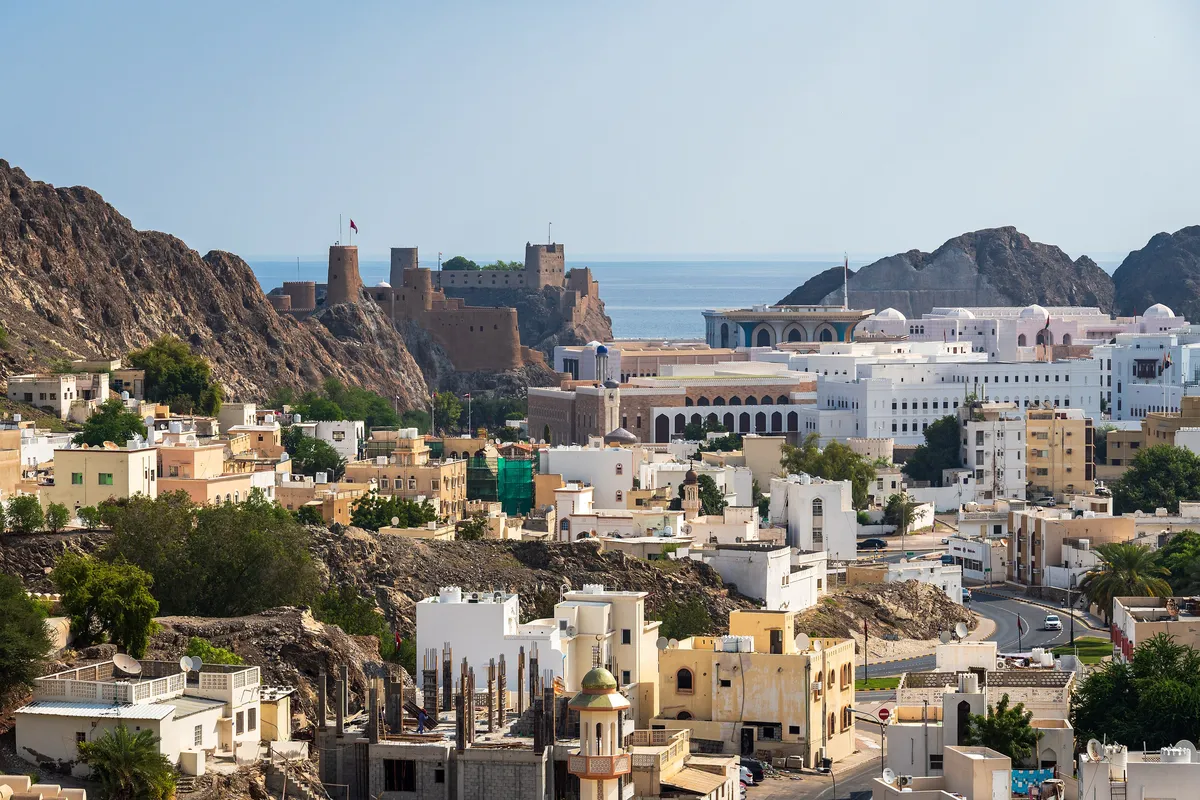
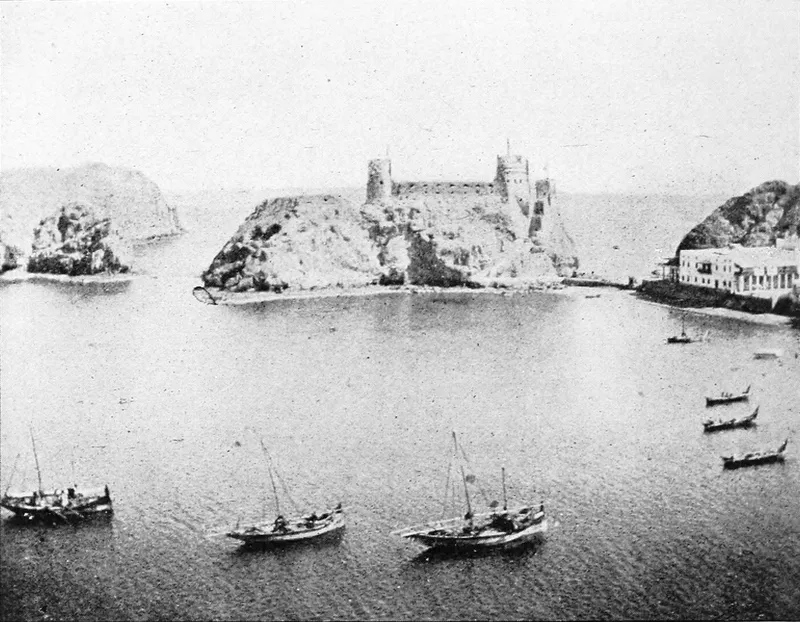
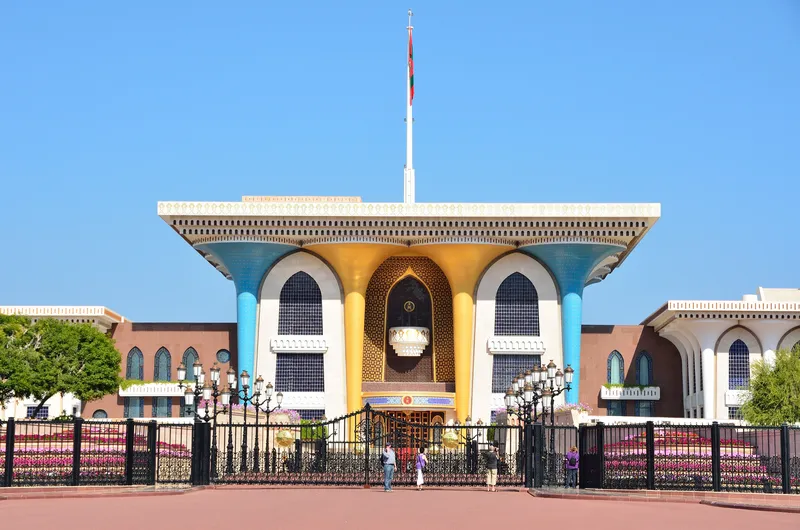
Muscat is unusual among Gulf capitals for what it lacks: no skyscraper skyline, no reclaimed islands, just whitewashed low-rise buildings mandated by strict building codes, hugging a coastline of rocky coves and 16th-century Portuguese watchtowers. The Sultan Qaboos Grand Mosque anchors most visits, its prayer hall holding one of the world's largest hand-loomed Persian carpets beneath a Swarovski chandelier, open to non-Muslim visitors each morning. Old Muscat's Al Alam Palace, the Sultan's ceremonial residence with gold-and-blue pillars, sits flanked by Mirani and Jalali forts on the harbour's edge. Mutrah Corniche and its covered souq — one of the oldest working markets in Arabia — trade frankincense, Omani silver khanjars and halwa made fresh in copper vats. The Royal Opera House Muscat, the peninsula's first, hosts international performances in a building of carved sandstone and teak. Beyond the city, Bandar Khayran's fjord-like inlets offer snorkelling and dolphin-watching by boat. Muscat's calm, conservative charm and near-total absence of Gulf glitz make it Oman's most rewarding introduction — a capital that feels closer to a heritage town than a metropolis.
Trip Snapshot
Suitable For
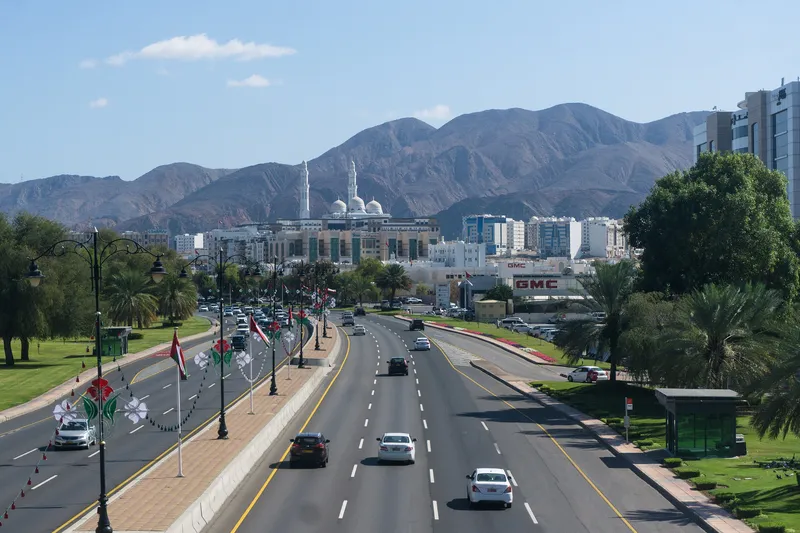
Muscat, in frame
A quick visual sense of the landscapes, stays, and atmosphere your itinerary can be built around.
Muscat questions, answered
When is the best time to visit Muscat?
October to April
What is the weather like in Muscat?
Desert coastal, 18-40°C
Do I need a visa to travel to Oman?
e-Visa required for Indian nationals (apply online before travel). Visa rules change without notice — confirm current requirements with the destination's embassy or consulate before you book.
What currency is used in Oman?
OMR — Omani Rial
What languages are spoken in Oman?
Arabic, English widely spoken
Build a Muscat itinerary around your dates.
Share your travel month, group size, budget comfort, and must-do experiences. The Taro team will shape the right route before any payment conversation.