Why Morocco works
Morocco, officially the Kingdom of Morocco, sits in the Maghreb region of North Africa, with coastlines on both the Mediterranean Sea and the Atlantic Ocean, making it one of only three countries, alongside Spain and France, to border both. Rabat is the capital, set beside the Oued Bou Regreg River, while Casablanca, the country's main port, is its largest city; Morocco is bordered by Algeria to the east, and much of the country's interior is mountainous, crossed by the Atlas Mountains through the centre and south and the Rif Mountains in the north, both regions inhabited mainly by Berber people.
The area of present-day Morocco has been inhabited since the Paleolithic era, and the Moroccan state traces its founding to the Idrisid dynasty, established by Idris ibn Abdallah in 788 after he fled persecution in the Hejaz and won the allegiance of the Awraba Berber tribes; the Idrisids made Fes their capital and turned Morocco into a centre of Muslim learning. Morocco reached its height as a regional power in the eleventh and twelfth centuries under the Almoravid and Almohad dynasties, both Berber kingdoms that at their peak controlled most of the Iberian Peninsula alongside the Maghreb, with Marrakesh serving as capital under the Almoravids, the Almohads and later the Saadian dynasty. France made Morocco a protectorate under the 1912 Treaty of Fez, with Spain administering northern and southern coastal zones, until Morocco regained independence and Sultan Mohammed became king in 1957.
Morocco's tourism industry, built around its coast, culture and history, set a record in 2023 with 14.5 million international arrivals and MAD 104.7 billion in receipts, a figure that climbed to nearly 16 million visitors by November 2024, contributing about 7 percent of GDP. Roughly 60 percent of tourists come for Morocco's culture and heritage, drawn to its historic cities and Islamic architecture, while Agadir, a major coastal resort south of the Atlas Mountains, alone accounts for a third of all bed-nights in the country and serves as a base for excursions into the mountains; French nationals make up close to a fifth of all visitors, with most Europeans arriving between April and August.
Morocco's climate ranges from hot-summer Mediterranean conditions along the coast to hot desert further inland, shaped by the central mountain ranges and the cold Canary Current offshore. The Rif, Middle Atlas and High Atlas mountains hold several distinct microclimates of their own, from Mediterranean conditions on the coastal lowlands to a humid, temperate zone at higher elevations supporting oak, juniper and the endemic Atlantic fir, with alpine conditions — enough to sustain ski resorts — at the very top; southeast of the Atlas range, toward the Algerian border, the rain shadow effect produces a much drier, hotter climate with long, intense summers.
Moroccan cuisine reflects centuries of contact with the wider world, blending Moorish, European and Mediterranean influences and relying heavily on spices, some grown locally, such as saffron from Tétouan and mint and olives from Meknes, alongside oranges and lemons from Fez. Couscous is considered the national dish, and the tagine — often built around chicken, potatoes and olives, or beef with vegetables and legumes — is the country's most emblematic way of preparing meat, with lamb valued but comparatively costly and poultry increasingly joined by seafood in Moroccan kitchens today.
- Morocco — Wikipedia, CC BY-SA 4.0
Text adapted from the linked articles under CC BY-SA 4.0; edited for length.
Trip Snapshot
Highlights
Suitable For
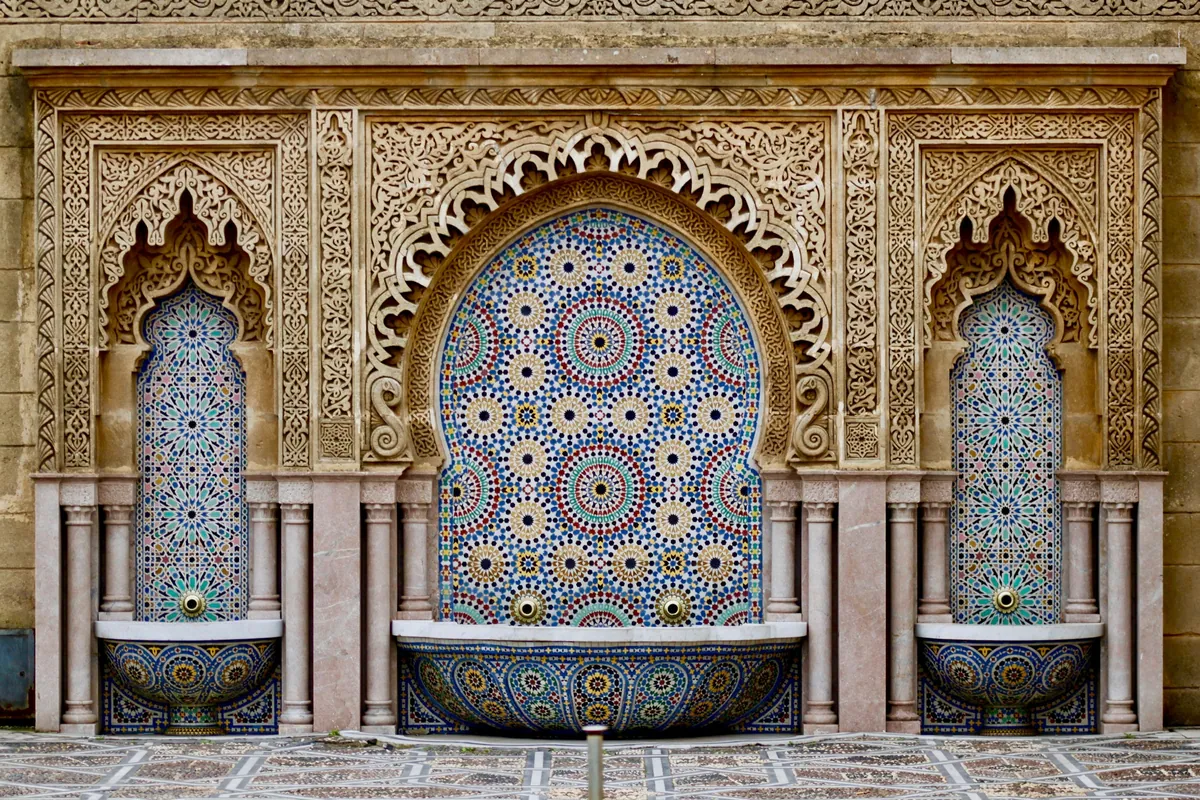
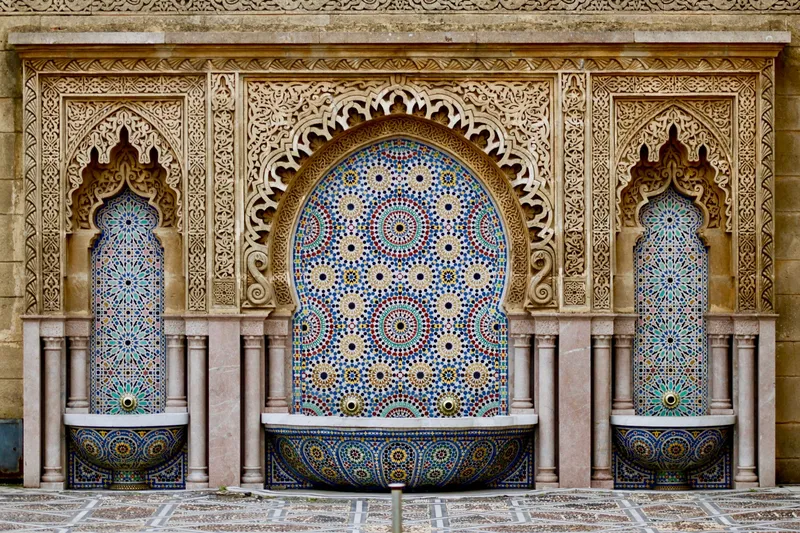
Morocco, in frame
A quick visual sense of the landscapes, stays, and atmosphere your itinerary can be built around.
Morocco questions, answered
When is the best time to visit Morocco?
March to May, September to November
What is the weather like in Morocco?
Mediterranean and arid
Do I need a visa to travel to Morocco?
Visa-free for Indian nationals (90 days). Visa rules change without notice — confirm current requirements with the destination's embassy or consulate before you book.
What currency is used in Morocco?
Moroccan Dirham (MAD)
What languages are spoken in Morocco?
Arabic, French, Berber
Build a Morocco itinerary around your dates.
Share your travel month, group size, budget comfort, and must-do experiences. The Taro team will shape the right route before any payment conversation.