Why Kotor works
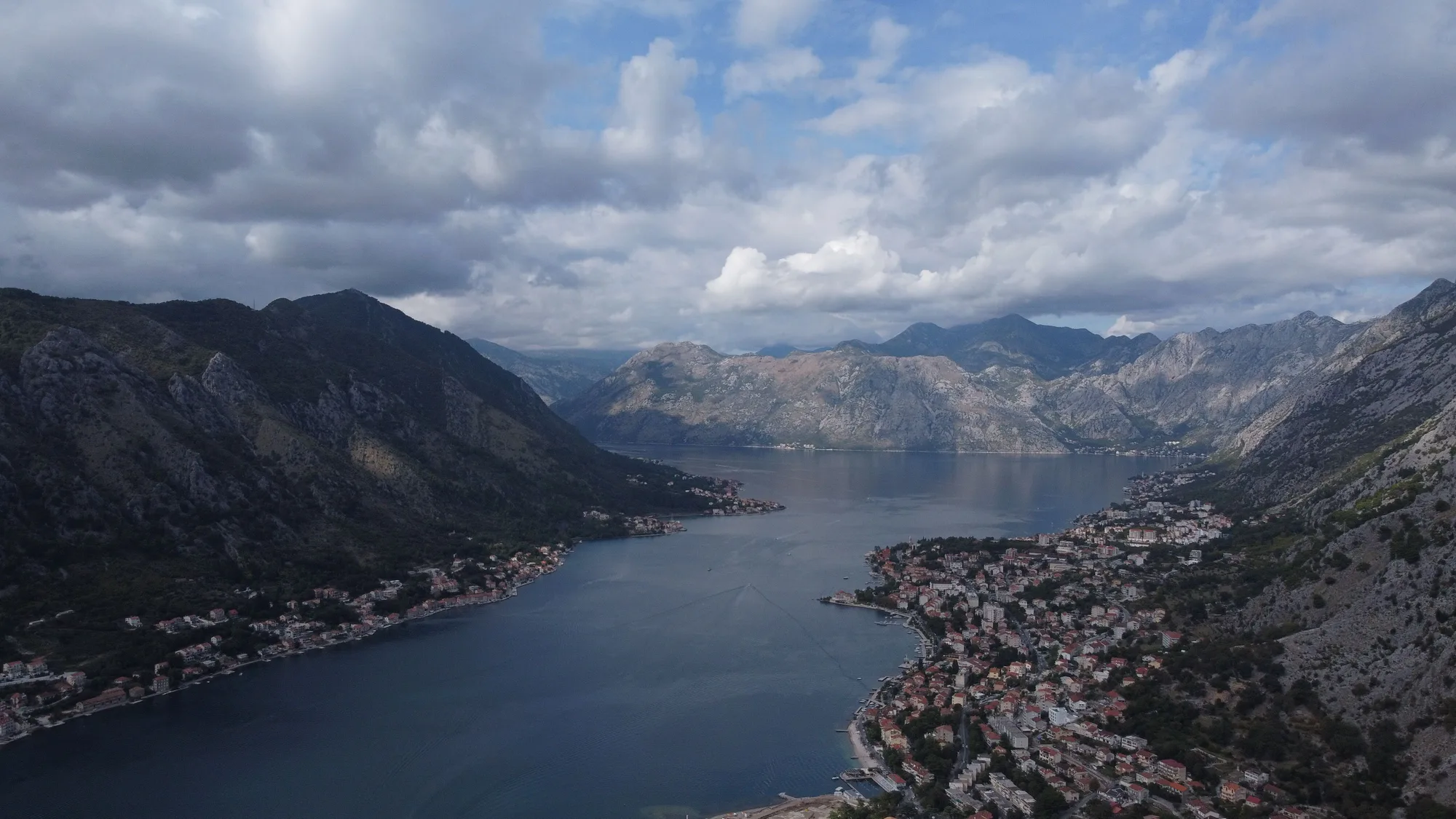
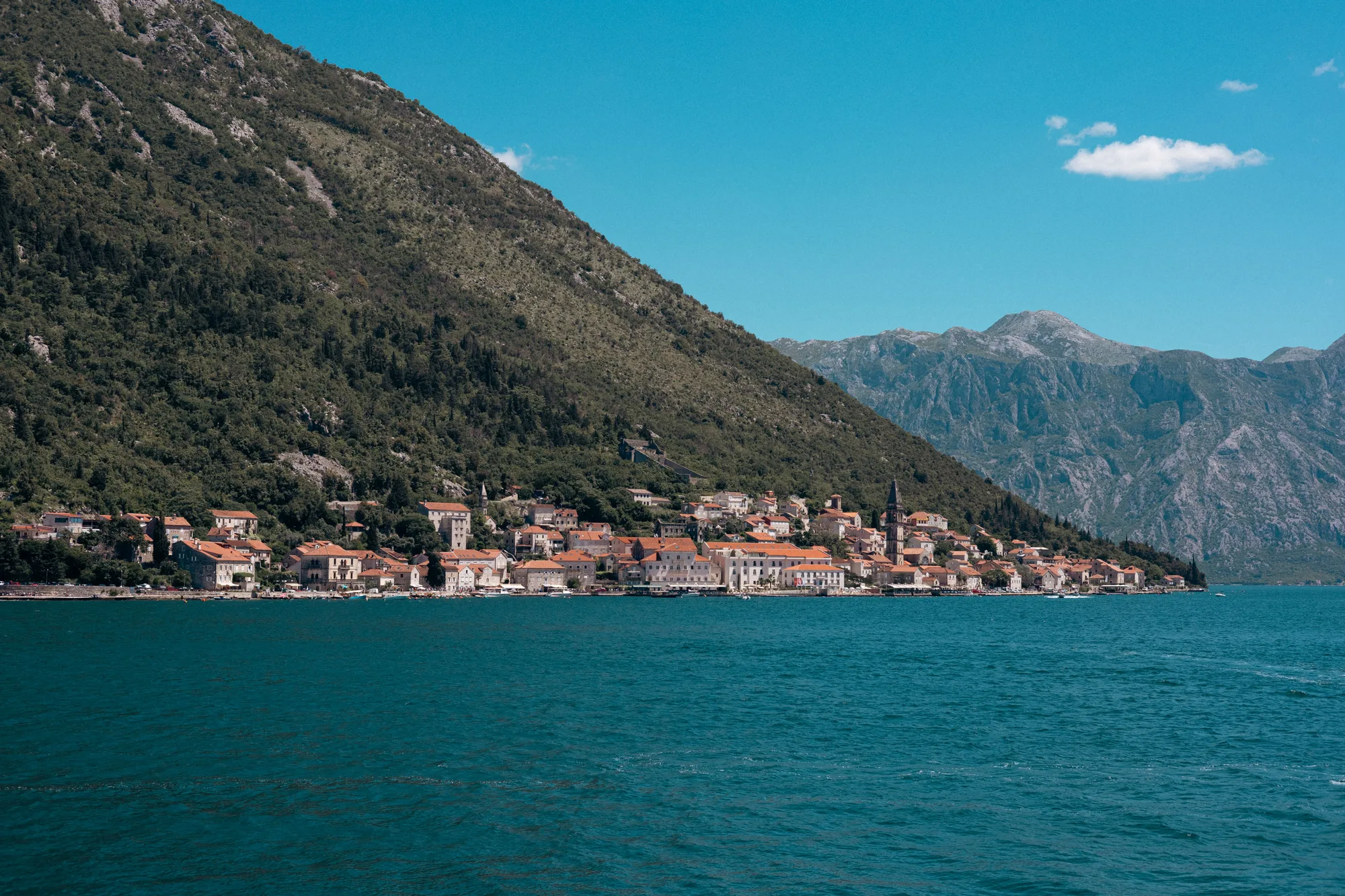
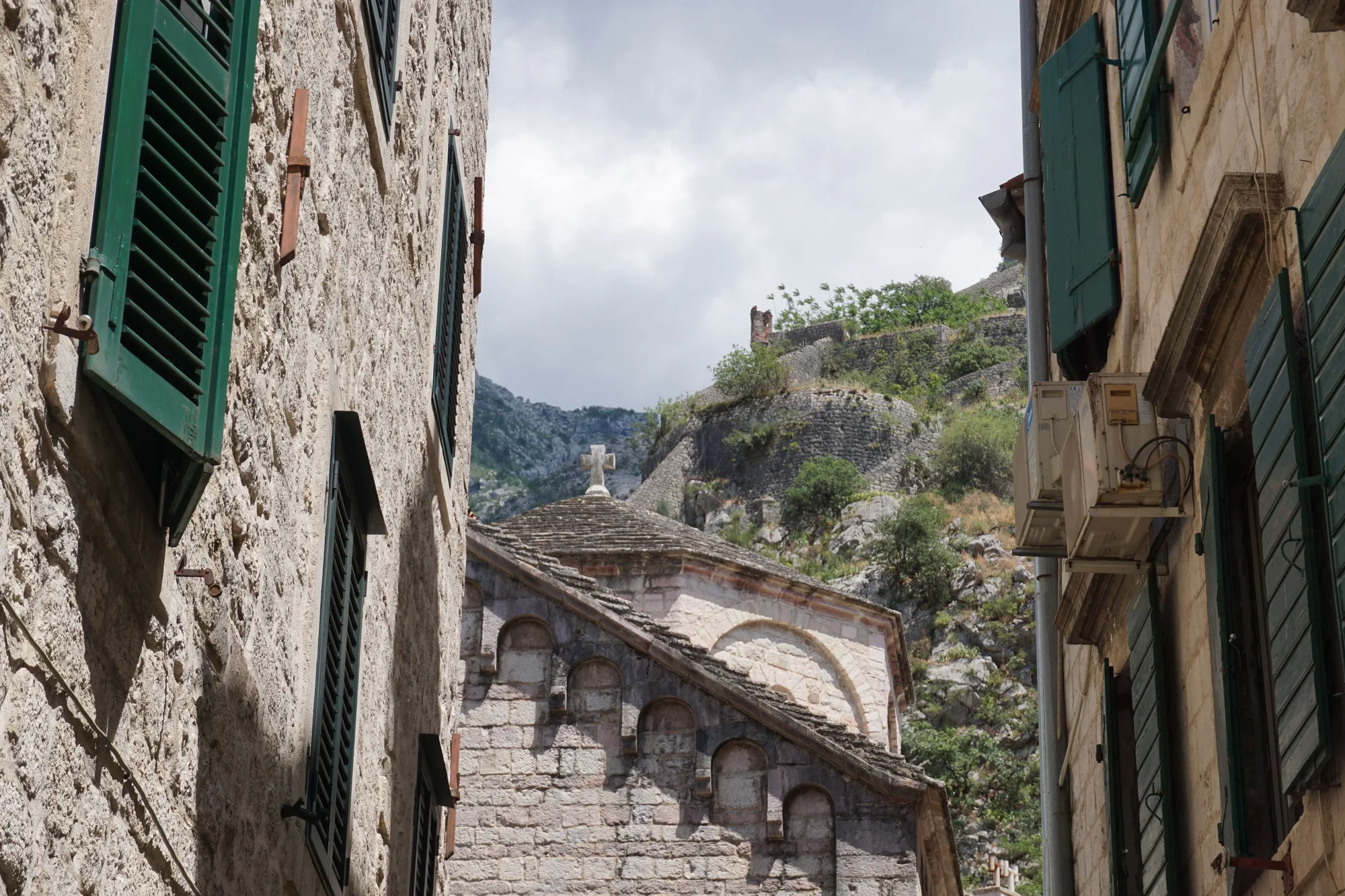
Kotor sits at the innermost curl of the Bay of Kotor, where limestone cliffs drop almost straight into the Adriatic and the water looks more like a Norwegian fjord than a Mediterranean bay. The old town, a UNESCO World Heritage Site, is a maze of marble-paved lanes, Venetian palazzos, and small squares, each seemingly built around its own church — Kotor Cathedral (Saint Tryphon) dates to the 12th century and holds a treasury of gold and silver reliquary work. What sets Kotor apart is the fortification climbing the mountain directly behind it: nearly 4.5 kilometres of walls, built over centuries by Illyrians, Byzantines, and Venetians, zigzag up to the Fortress of San Giovanni at 260 metres. The climb — around 1,350 steps — is steep and exposed but delivers one of the Adriatic's best views: the old town's terracotta roofs against the dark, glassy bay. Cats roam freely through Kotor's streets, celebrated with their own small museum, and the nearby villages of Perast and the islet of Our Lady of the Rocks make an easy half-day boat trip from the old town's harbour, past Baroque bell towers reflected in still water.
Trip Snapshot
Suitable For
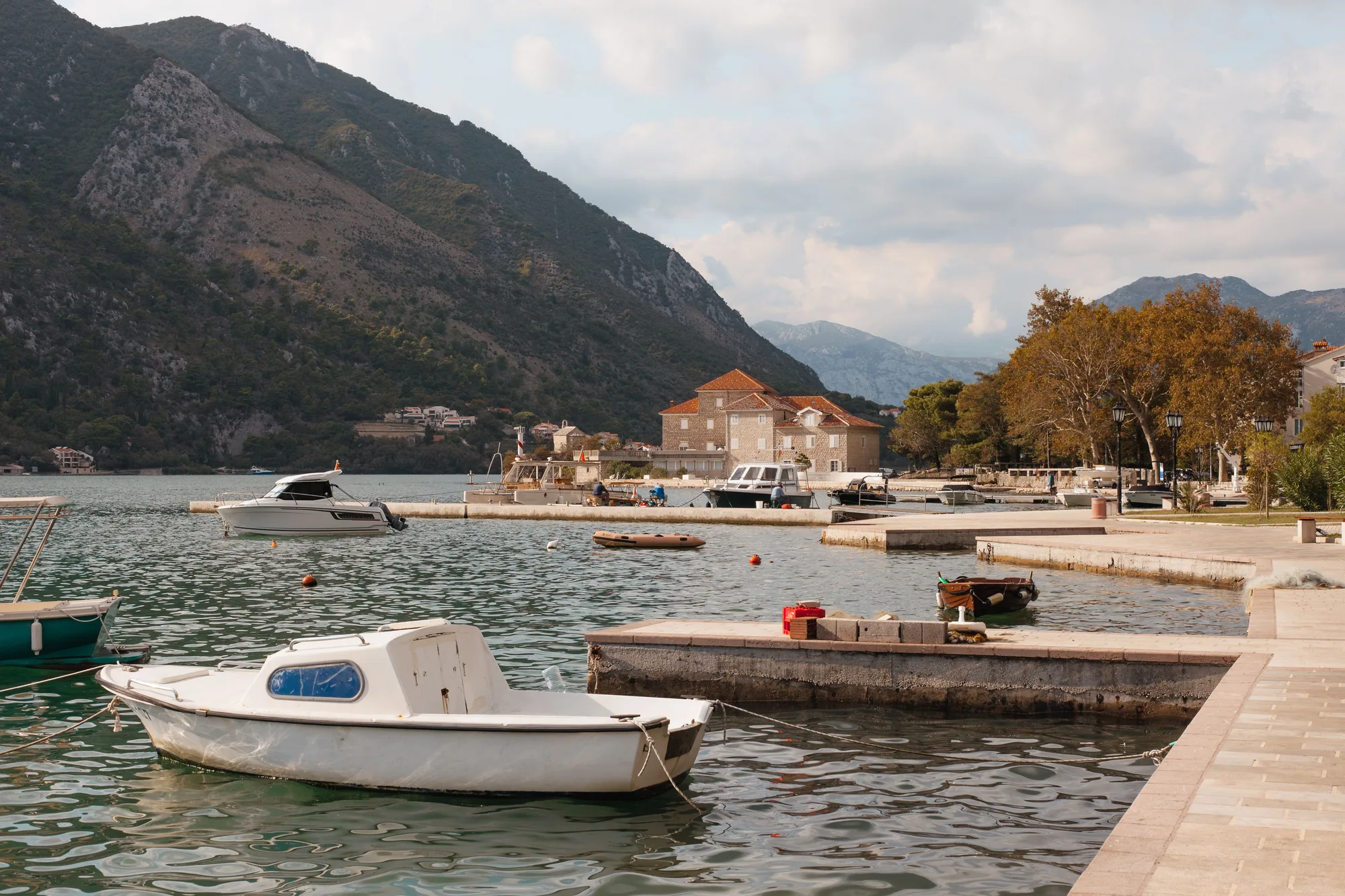
Kotor, in frame
A quick visual sense of the landscapes, stays, and atmosphere your itinerary can be built around.
Kotor questions, answered
When is the best time to visit Kotor?
May to June, September to October
What is the weather like in Kotor?
Mediterranean, 5-32°C
Do I need a visa to travel to Montenegro?
Visa required for Indian nationals (apply in advance; verify current rule before travel). Visa rules change without notice — confirm current requirements with the destination's embassy or consulate before you book.
What currency is used in Montenegro?
EUR — Euro
What languages are spoken in Montenegro?
Montenegrin, English in tourist areas
Build a Kotor itinerary around your dates.
Share your travel month, group size, budget comfort, and must-do experiences. The Taro team will shape the right route before any payment conversation.