Why Madagascar works
Madagascar, officially the Republic of Madagascar, is an island country in the Indian Ocean off the southeastern coast of Africa, comprising the island of Madagascar itself along with numerous smaller peripheral islands. It is the world's fourth-largest island and the second-largest island country, covering 592,800 square kilometres, with Antananarivo as its capital and largest city. Madagascar split from the African mainland during the Early Jurassic period, around 180 million years ago, and later separated from the Indian subcontinent roughly 90 million years ago, a long isolation that let its plants and animals evolve largely on their own.
Madagascar was first permanently settled sometime around the mid-first millennium CE by Austronesian peoples who are thought to have arrived by outrigger canoe from present-day Indonesia, among the most recent major landmasses on Earth to be reached by humans, predating even the settlement of Iceland and New Zealand. Bantu groups crossed the Mozambique Channel from East Africa to join them around the ninth century, and further waves of settlement over time produced the 18 or more distinct peoples recognised in Madagascar today, the largest being the Merina of the central highlands. Early settlers encountered — and eventually hunted to extinction — megafauna found nowhere else, including seventeen species of giant lemur and the flightless elephant bird, among the largest birds ever to have existed.
Madagascar's long isolation has made it one of the world's 17 recognised megadiverse countries and a globally significant biodiversity hotspot, with roughly 90 percent of its plant and animal species found nowhere else on Earth. More than 80 percent of its 14,883 recorded plant species are endemic, including six of the world's nine baobab species and three-quarters of its 860 native orchid species; the island is also home to about 170 palm species, nearly three times as many as the whole of mainland Africa, of which 165 occur only here. This unmatched concentration of endemic life has led some ecologists to describe Madagascar as an "eighth continent," a description reflected in the island's status as a Conservation International-designated biodiversity hotspot.
Madagascar's climate is shaped by southeastern trade winds and northwestern monsoons, producing a hot, rainy season from November to April that can bring destructive cyclones, followed by a cooler dry season from May to October; the island's Eastern Coast receives the heaviest rainfall and supports its remaining tropical lowland rainforest, while the Central Highlands are drier and cooler and the southwest turns semi-arid. Cyclone Gafilo, which struck in March 2004, remains the strongest cyclone on record to hit the country, and more recent storms such as Cyclone Batsirai in 2022 have continued to cause significant loss of life and displacement.
Tourism in Madagascar centres on ecotourism, drawing on the island's unspoiled habitats, national parks and lemur species; visitor numbers reached about 365,000 in 2008 before falling sharply during the political crisis of 2010, then recovering to roughly 293,000 by 2016, a 20 percent increase over the previous year. Madagascar's central highlands, traditionally the homeland of the Merina people, sit on a plateau ranging between 750 and 1,500 metres in elevation, flanked to the east by a narrow, steep escarpment holding much of the island's remaining lowland rainforest.
- Madagascar — Wikipedia, CC BY-SA 4.0
Text adapted from the linked articles under CC BY-SA 4.0; edited for length.
Trip Snapshot
Highlights
Suitable For
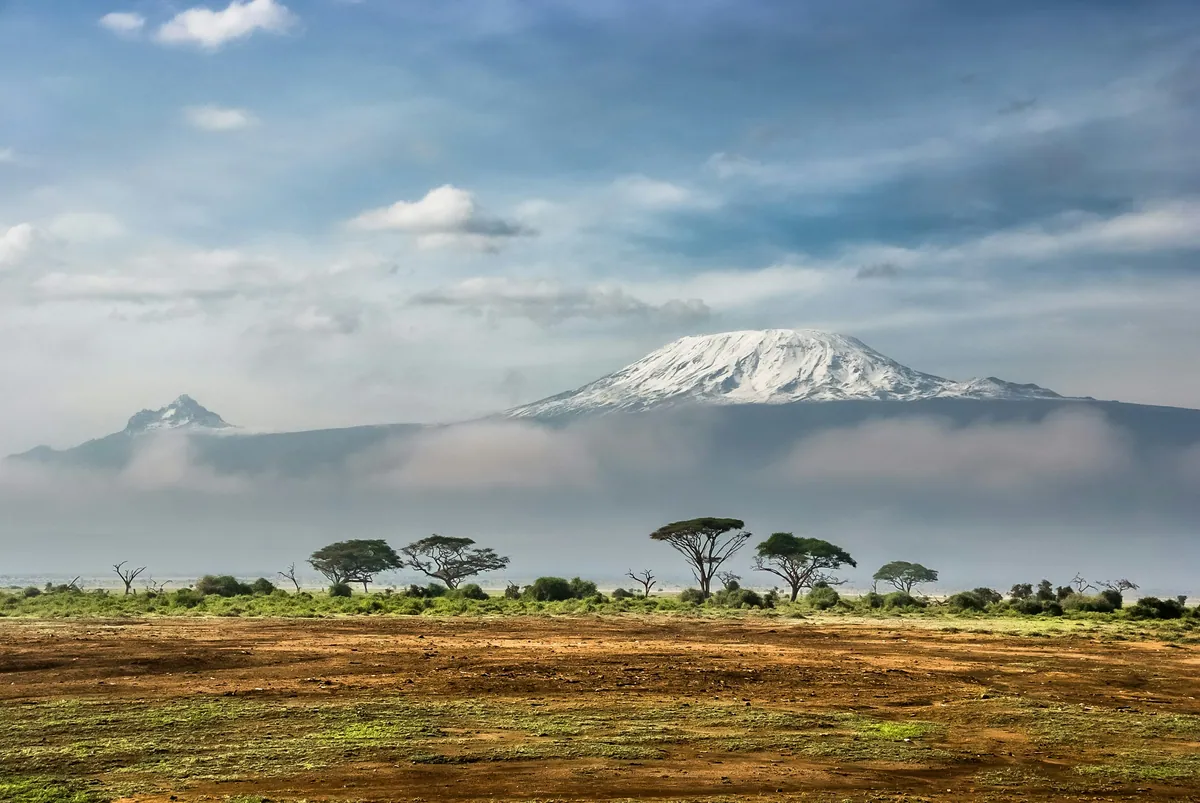
Madagascar, in frame
A quick visual sense of the landscapes, stays, and atmosphere your itinerary can be built around.
Build a Madagascar itinerary around your dates.
Share your travel month, group size, budget comfort, and must-do experiences. The Taro team will shape the right route before any payment conversation.