Why Luxor works
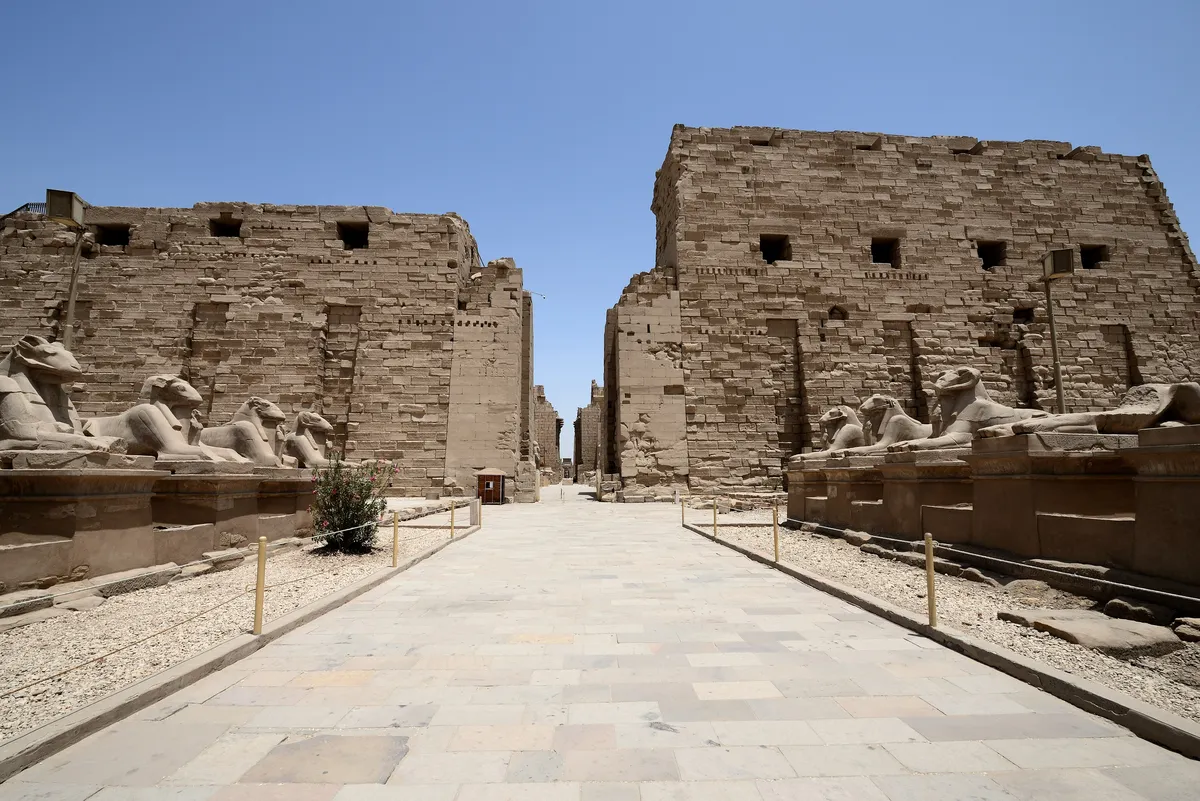
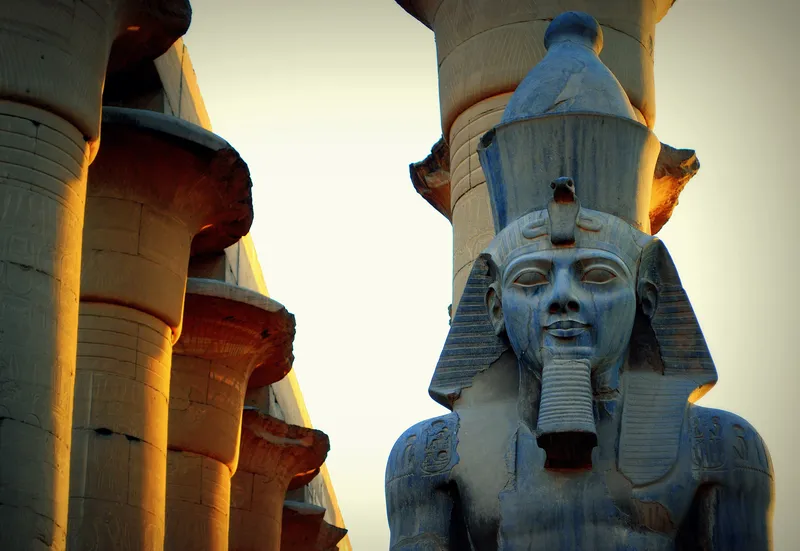
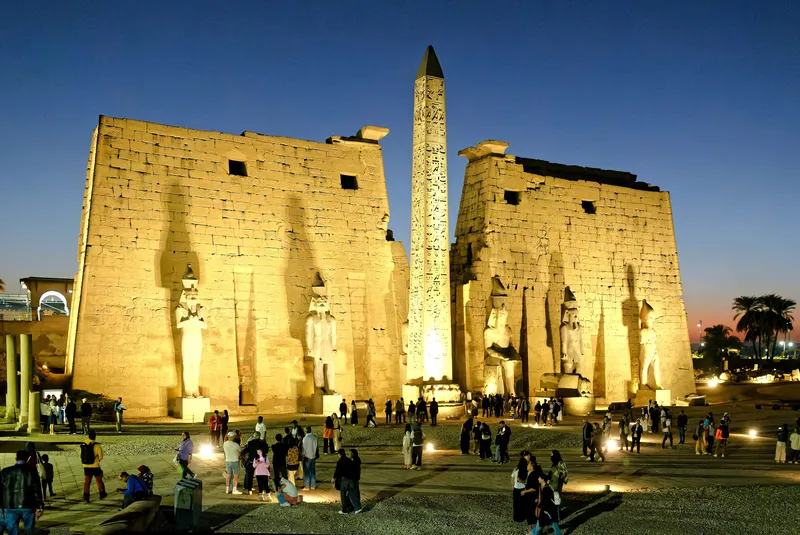
Luxor occupies the site of ancient Thebes, capital of Egypt during its New Kingdom peak, and holds a concentration of monumental ruins that led early archaeologists to call it 'the world's greatest open-air museum.' Karnak Temple, the largest religious complex ever built, took nearly 2,000 years and successive pharaohs to construct, its Hypostyle Hall alone holding 134 massive columns carved with hieroglyphs, several tall enough that dozens of people could stand atop a single capital. Luxor Temple, closer to the modern town and connected to Karnak historically by a 3km avenue lined with sphinxes — now largely restored and walkable — glows gold under floodlights after sunset, its pylon and colossal seated statues of Ramesses II particularly striking at night. Across the Nile, the Valley of the Kings holds the rock-cut tombs of pharaohs including Tutankhamun, whose famously intact burial (discovered in 1922) remains the valley's most famous, though only a handful of tombs — rotated periodically to limit humidity damage from tourist breath — are open at any time, their interior walls covered in vividly preserved funerary texts and paintings. The Colossi of Memnon, two enormous seated statues of Amenhotep III now standing alone in farmland after their temple complex vanished, mark the valley's approach. A hot-air balloon flight at dawn over the West Bank's temples and tombs offers a rare aerial perspective on the density of ancient construction below.
Trip Snapshot
Suitable For
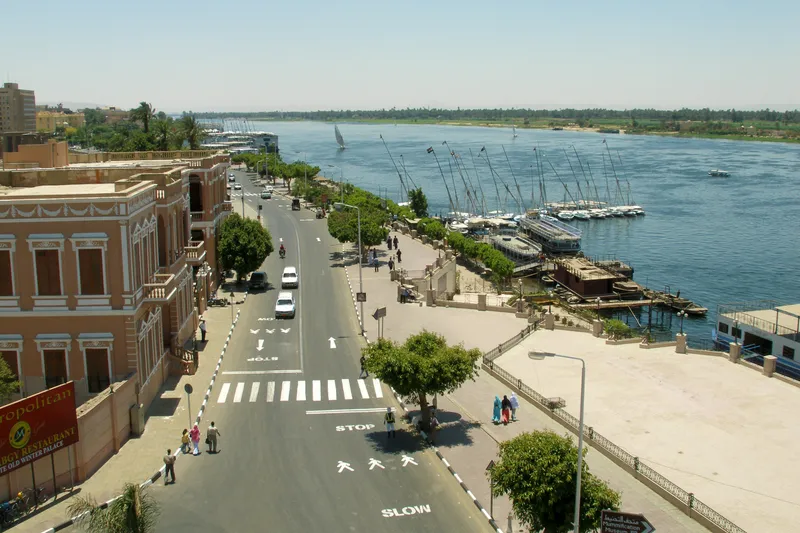
Luxor, in frame
A quick visual sense of the landscapes, stays, and atmosphere your itinerary can be built around.
Luxor questions, answered
When is the best time to visit Luxor?
October to April
What is the weather like in Luxor?
Desert, 12-38°C depending on season
Do I need a visa to travel to Egypt?
Visa on arrival for Indian nationals at Cairo/Sharm/Hurghada airports (USD 25, 30 days) or e-Visa in advance. Visa rules change without notice — confirm current requirements with the destination's embassy or consulate before you book.
What currency is used in Egypt?
Egyptian Pound (EGP)
What languages are spoken in Egypt?
Arabic, English in tourist areas
Build a Luxor itinerary around your dates.
Share your travel month, group size, budget comfort, and must-do experiences. The Taro team will shape the right route before any payment conversation.