Why Lalibela works
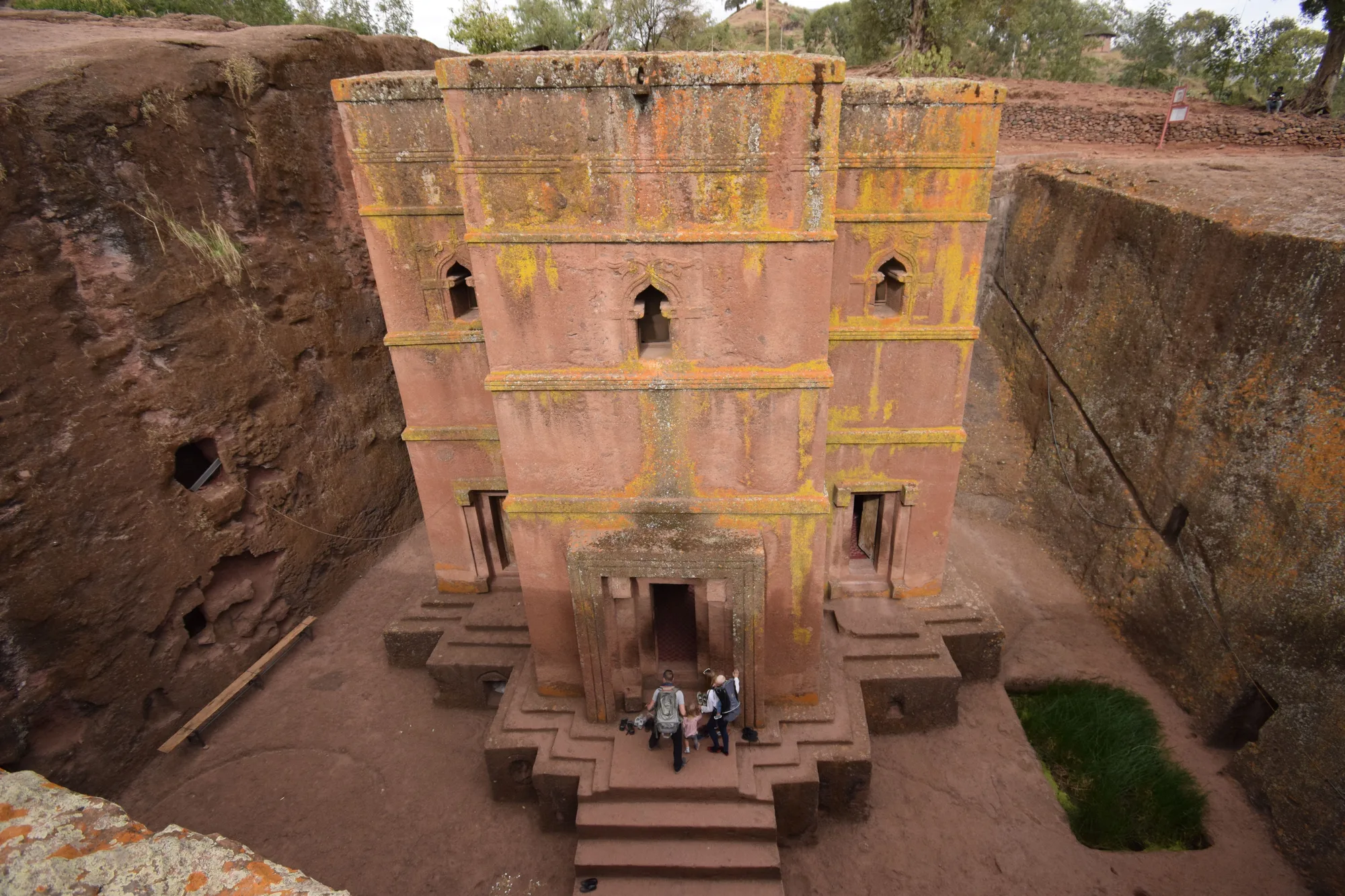
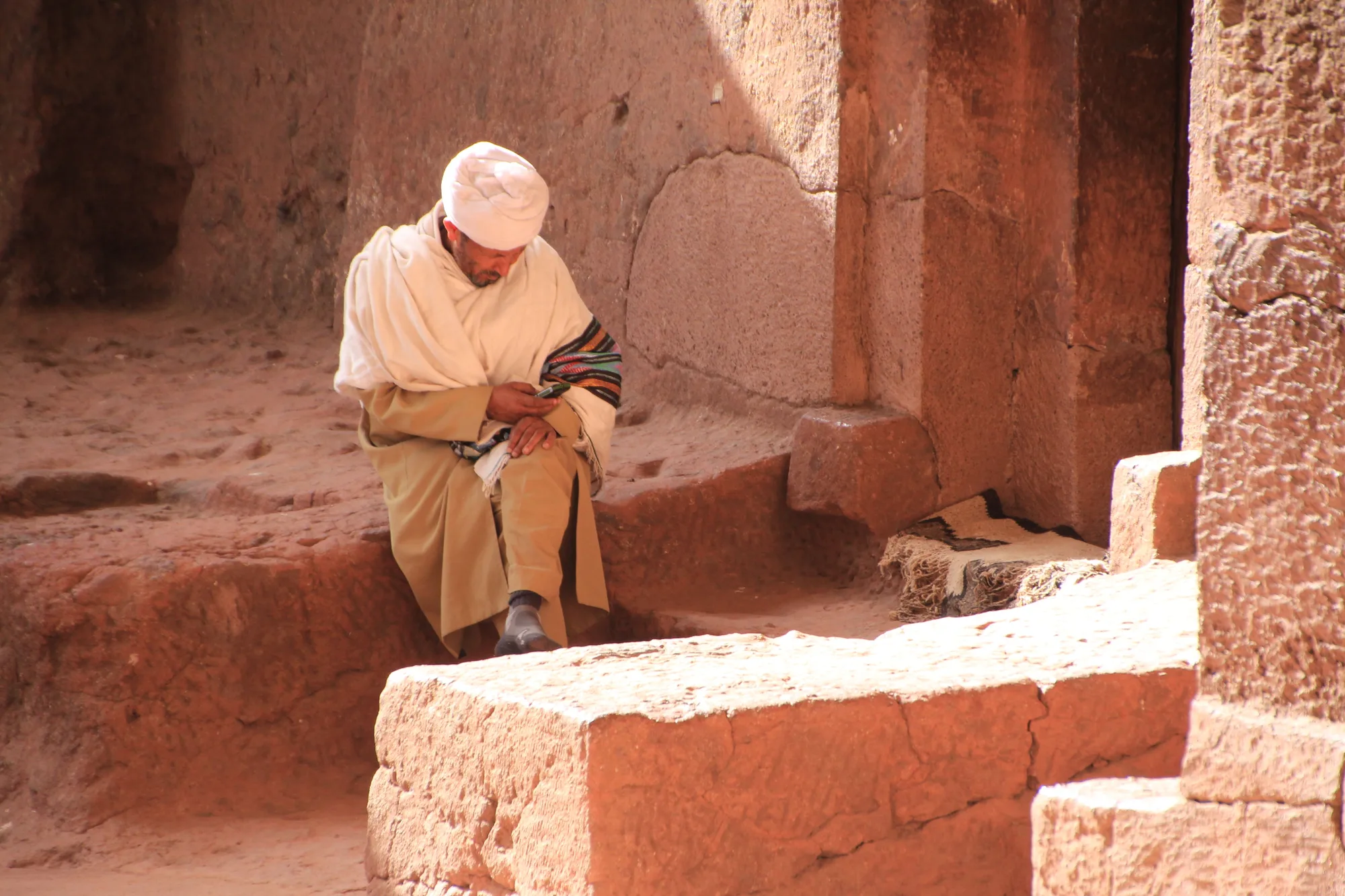
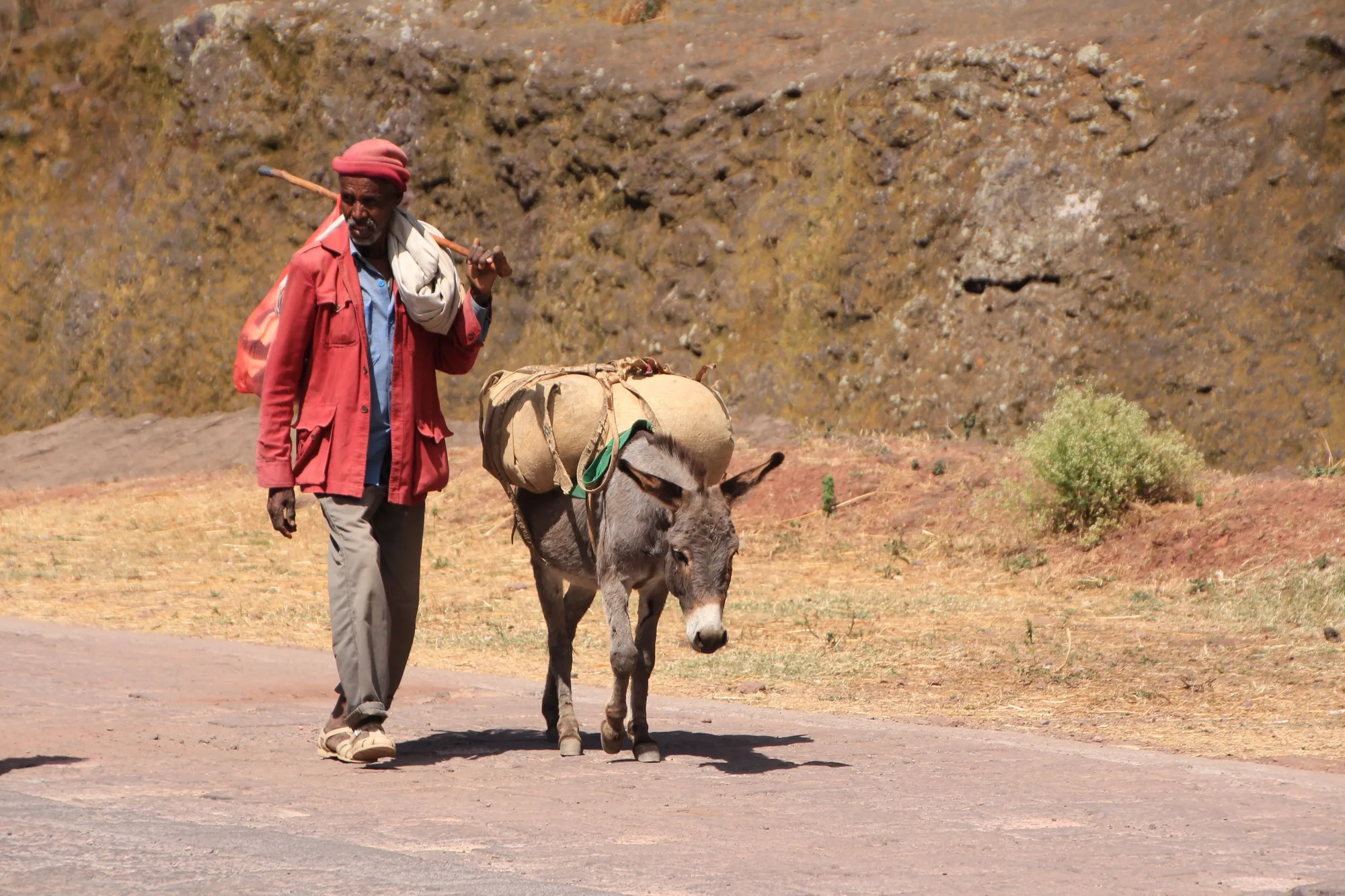
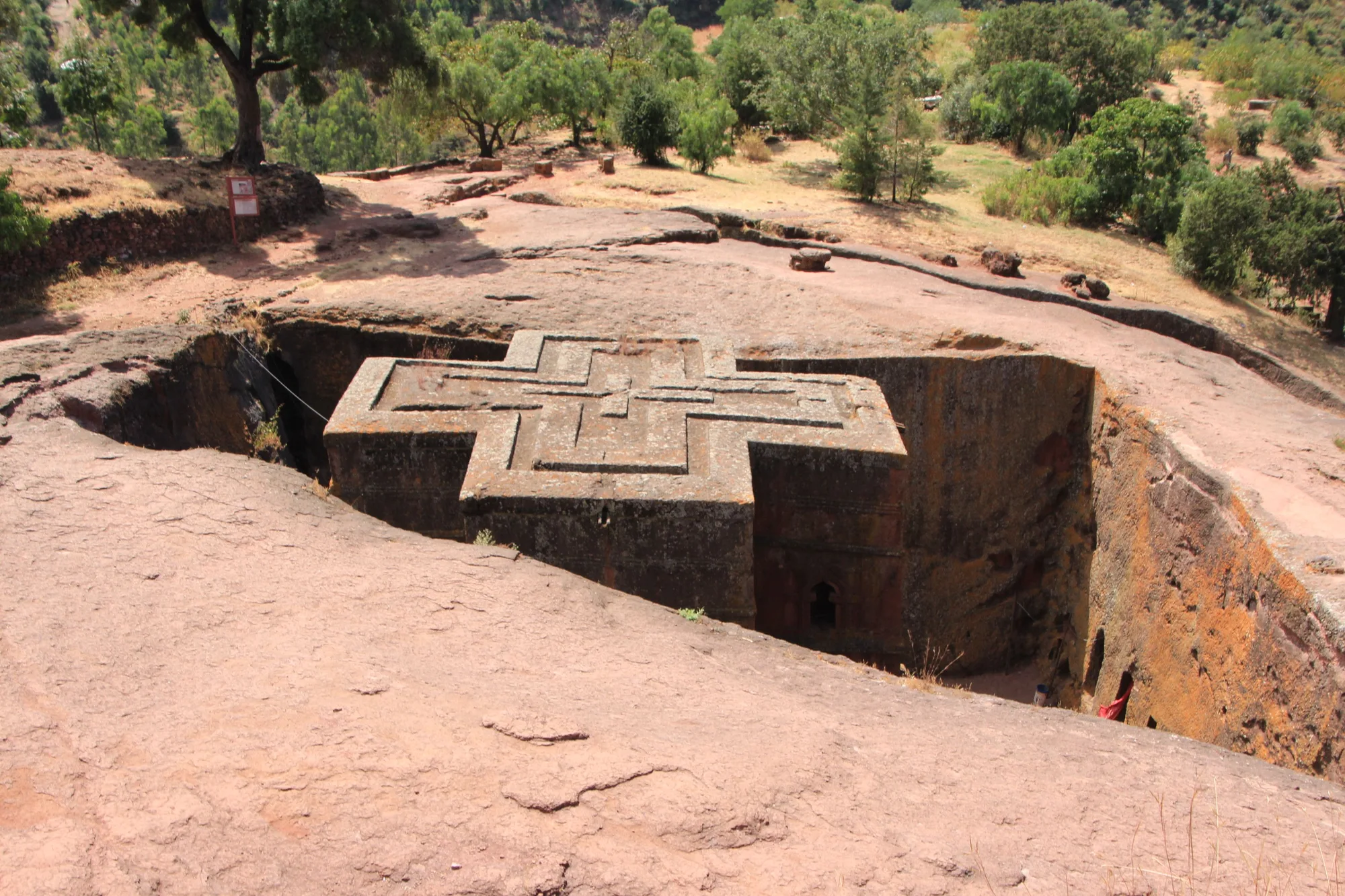
Lalibela defies easy comparison: in the 12th and 13th centuries, King Gebre Mesqel Lalibela ordered eleven churches excavated not built but carved downward, whole, out of the reddish volcanic bedrock of Ethiopia's northern highlands -- a "New Jerusalem" for pilgrims who could no longer reach the Holy Land after it fell to Muslim forces. The most photographed, Bete Giyorgis (Church of Saint George), is cut in the shape of a Greek cross and sunk twelve metres into the earth, its roof accessible only by descending a rock-hewn trench. Unlike many ancient wonders, Lalibela's churches are not sealed museum pieces: white-robed priests still lead daily services, pilgrims prostrate themselves at thousand-year-old crosses, and during Genna (Ethiopian Christmas, 7 January) and Timkat (Epiphany, 19 January) tens of thousands converge for processions that have changed little in eight centuries. Guides are essential to navigate the tunnels and trenches connecting the two main clusters of churches, and modest dress with shoes that slip on and off easily makes the many church-floor removals simpler. Beyond the churches, the surrounding highland town offers home-brewed tej (honey wine), injera cooked over open fires, and market days when farmers descend from surrounding villages on foot and by donkey.
Trip Snapshot
Suitable For
Lalibela, in frame
A quick visual sense of the landscapes, stays, and atmosphere your itinerary can be built around.
Lalibela questions, answered
When is the best time to visit Lalibela?
October to March (dry season, clearer skies for the rock-cut churches)
What is the weather like in Lalibela?
Highland tropical, 10-25°C, cooler at altitude (2,500m)
Do I need a visa to travel to Ethiopia?
e-Visa required for Indian nationals — apply online in advance via the Ethiopian e-Visa portal. Visa rules change without notice — confirm current requirements with the destination's embassy or consulate before you book.
What currency is used in Ethiopia?
ETB — Ethiopian Birr
What languages are spoken in Ethiopia?
Amharic, English
Build a Lalibela itinerary around your dates.
Share your travel month, group size, budget comfort, and must-do experiences. The Taro team will shape the right route before any payment conversation.