Why La Paz works
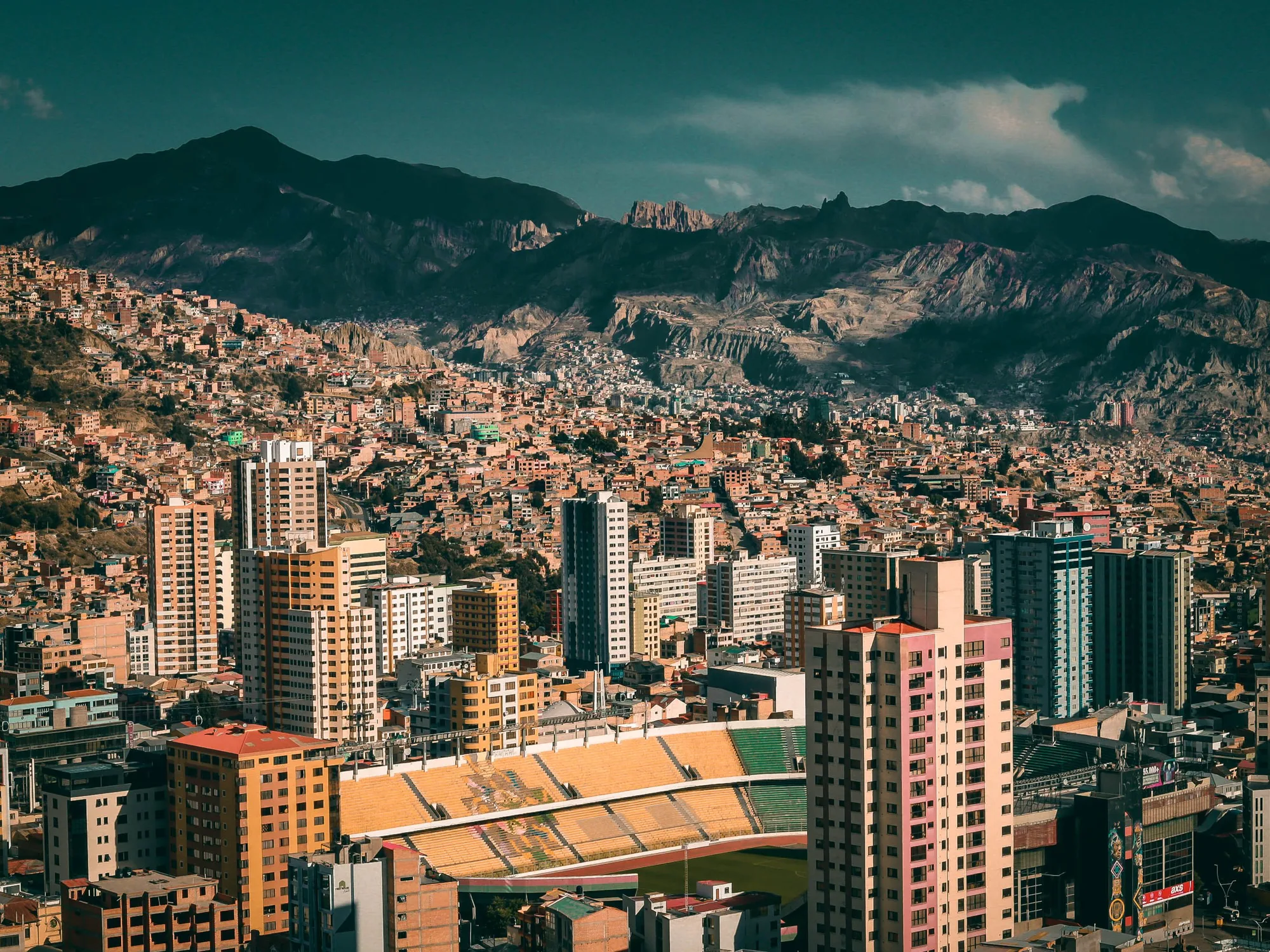
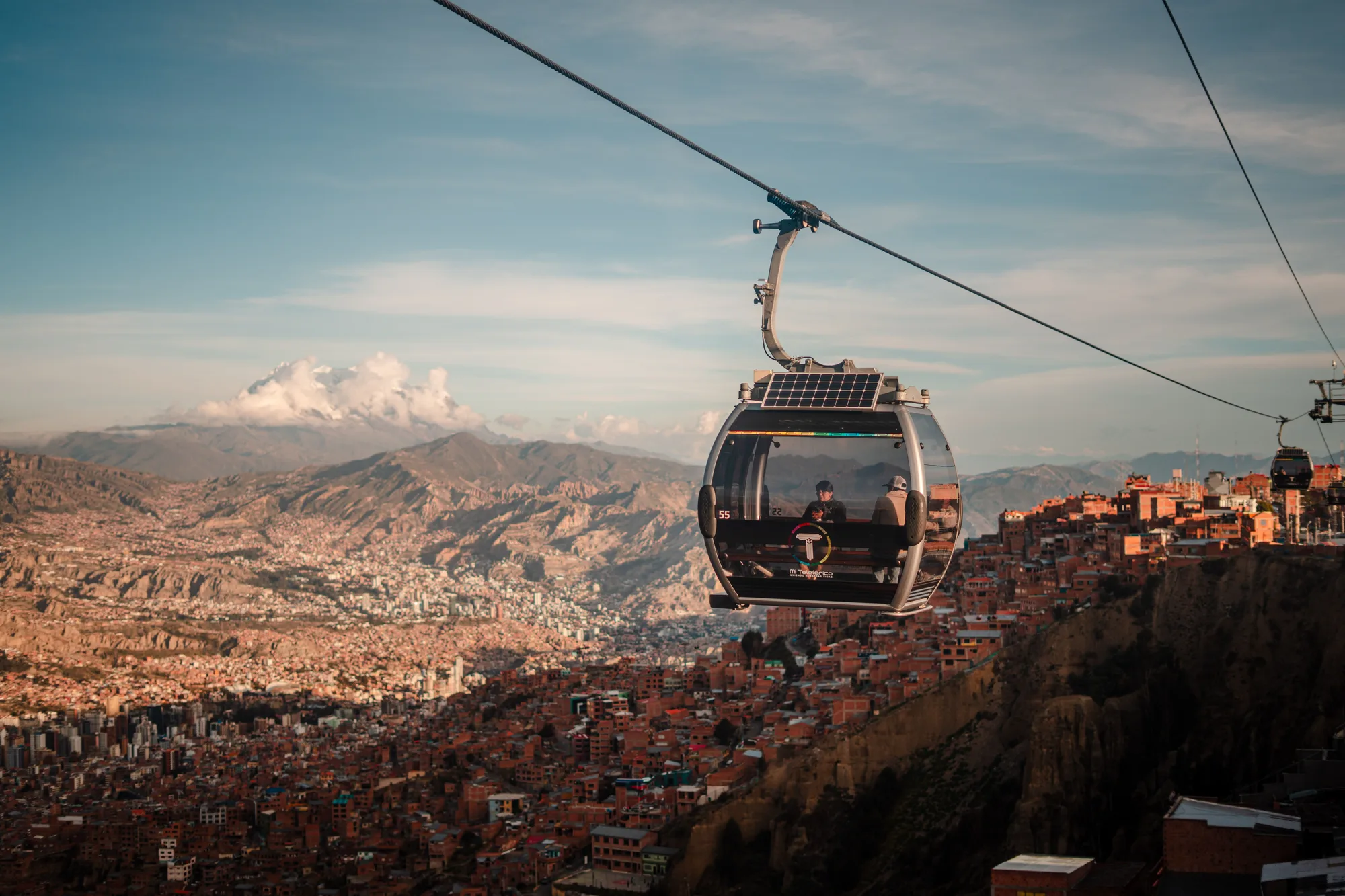
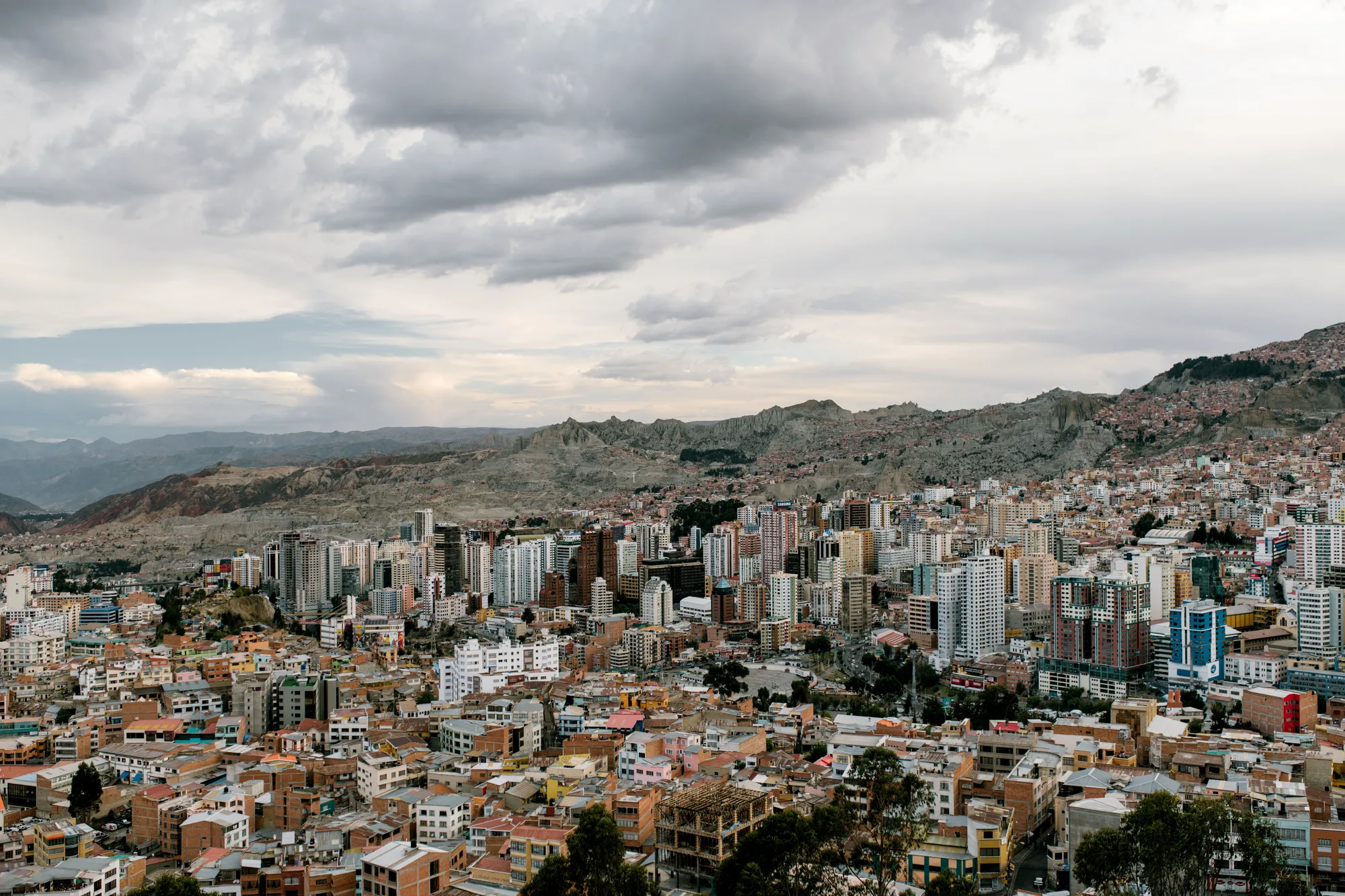
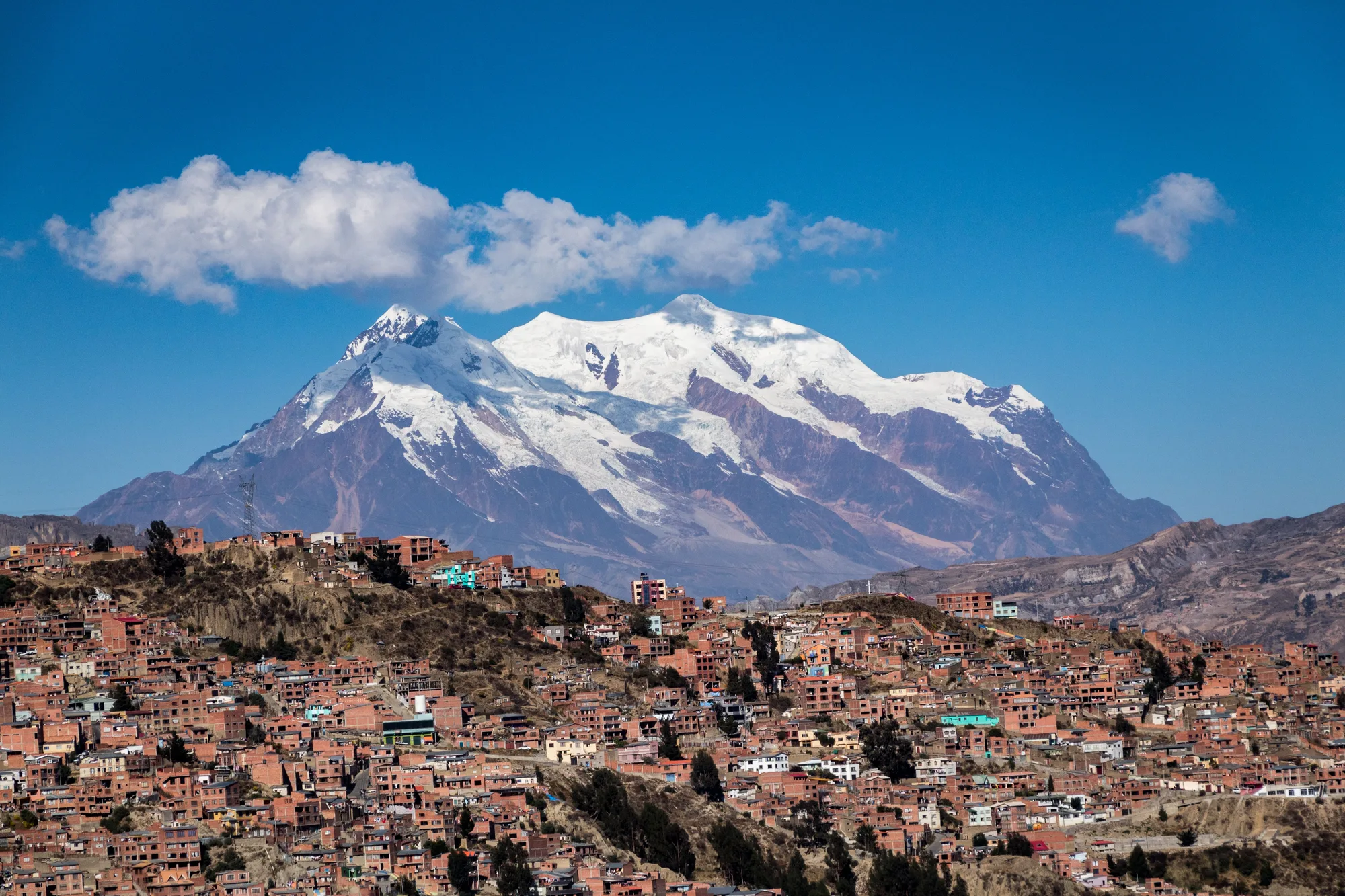
La Paz sits in a canyon carved by the Choqueyapu River, its neighbourhoods stacked up the surrounding slopes from the relatively lower, wealthier centre to El Alto, the sprawling Aymara city on the rim above at over 4,000 metres, technically a separate municipality but functionally La Paz's largest suburb. The Mi Teleferico cable car network, built from 2014 onward, now forms the world's largest urban aerial transit system, its ten-plus lines gliding silently over the canyon's chaotic traffic and delivering views across the entire city to the snow-capped bulk of Illimani, the 6,438-metre peak that watches over La Paz from the east. The Witches' Market (Mercado de las Brujas) in the city centre sells dried llama fetuses, herbal remedies, and ritual items used in Aymara offerings to Pachamama, a genuinely functioning market for locals rather than a staged tourist attraction, tucked among more conventional textile and souvenir stalls. San Francisco Church, a 16th-century mestizo-baroque landmark, anchors the plaza of the same name, a gathering point for street performers, shoe-shiners, and the periodic political demonstrations La Paz is known for. The Valle de la Luna on the city's southern outskirts offers an eroded lunar landscape of clay spires, an easy half-day trip, while the Death Road (Camino de las Yungas) draws mountain bikers for a white-knuckle descent from over 4,600 metres down to subtropical Yungas valleys, a drop of more than 3,600 metres in a single ride. At this altitude, most visitors need a day or two to acclimatise — coca tea, offered virtually everywhere, is the local remedy of choice — before tackling the city's dramatic verticality on foot.
Trip Snapshot
Suitable For
La Paz, in frame
A quick visual sense of the landscapes, stays, and atmosphere your itinerary can be built around.
La Paz questions, answered
When is the best time to visit La Paz?
May to October (dry season)
What is the weather like in La Paz?
High-altitude, 3-17°C, cold nights year-round
Do I need a visa to travel to Bolivia?
e-Visa required for Indian nationals (apply online before travel) — verify visa rule before travel. Visa rules change without notice — confirm current requirements with the destination's embassy or consulate before you book.
What currency is used in Bolivia?
BOB — Bolivian Boliviano
What languages are spoken in Bolivia?
Spanish, Aymara, Quechua
Build a La Paz itinerary around your dates.
Share your travel month, group size, budget comfort, and must-do experiences. The Taro team will shape the right route before any payment conversation.