Why Jamaica works
Jamaica is an island country in the Caribbean covering 10,991 square kilometres, the third-largest island in the Greater Antilles and the Caribbean after Cuba and Hispaniola. It lies about 145 kilometres south of Cuba, 191 kilometres west of Hispaniola, and 215 kilometres southeast of the Cayman Islands, and with 2.8 million people is the third-most populous Anglophone country in the Americas and the fourth-most populous in the Caribbean. Kingston is the capital and largest city.
There is no archaeological evidence of human presence on Jamaica before about 500 CE, when a group known as the "Redware people," named for their pottery, arrived, followed around 800 CE by the Taíno, who most likely came from South America and practised an agrarian and fishing economy; at their height they are thought to have numbered some 60,000 people across roughly 200 villages led by caciques, or chiefs, with the south coast around what is now Old Harbour the most densely populated. Christopher Columbus became the first European to see Jamaica, claiming it for Spain in 1494 on his second voyage to the Americas, probably landing at what is now Discovery Bay and naming the site of his first sighting "Saint Gloria," now St. Ann's Bay; he returned in 1503 and, shipwrecked, was forced to live on the island with his crew for a year. The first Spanish settlement, Sevilla, was established a kilometre and a half west of St. Ann's Bay in 1509 by Juan de Esquivel but abandoned around 1524, after which the capital moved to Spanish Town, then called St. Jago de la Vega, around 1534, as the Taíno population declined sharply under introduced disease and enslavement. English interest in the island grew after a failed attempt to conquer Santo Domingo on Hispaniola, leading Admiral William Penn and General Robert Venables to invade Jamaica in 1655; Spanish forces were defeated at Ocho Rios in 1657 and the Rio Nuevo in 1658, and in 1660 the Maroon community under Juan de Bolas switched sides to support the English, helping secure the Spanish defeat. English civil government was established in 1661, and when the Spanish left, most colonists departed too, though Spanish Jews chose to remain and Spanish slaveholders freed their slaves before leaving, many of whom dispersed into the mountains to join existing Maroon communities.
Jamaica's interior is dominated by mountains: the Don Figuerero, Santa Cruz, and May Day mountains in the west, the Dry Harbour Mountains at the centre, and the John Crow Mountains and Blue Mountains in the east, the latter home to Blue Mountain Peak, the island's tallest point at 2,256 metres, all ringed by a narrow coastal plain. Kingston, on the south coast, is the capital and centre of business, while Montego Bay, on the north coast, is widely known across the Caribbean for tourism; Kingston Harbour, the seventh-largest natural harbour in the world, contributed to the city's designation as capital in 1872. The Blue Lagoon in Portland Parish sits in the crater of a dormant volcano.
Jamaican culture carries an outsized global presence through music: genres including reggae, ska, mento, rocksteady, dub, dancehall, and ragga all developed within the island's urban recording industry and went on to influence punk rock, dub poetry, New Wave, two-tone, lovers rock, reggaeton, jungle, drum and bass, dubstep, grime, and American rap, with musicians including The Notorious B.I.G., Busta Rhymes, and Heavy D counting Jamaican descent among their roots. Bob Marley, widely regarded as the island's most recognisable musician, had a run of hits with his band the Wailers through the 1960s and 70s that carried reggae to an international audience.
The island is known for Jamaican jerk spice, curries, and rice and peas, integral to Jamaican cuisine, alongside Red Stripe beer and Jamaican Blue Mountain Coffee, grown in the same mountain range that shapes so much of the island's interior geography.
- Jamaica — Wikipedia, CC BY-SA 4.0
Text adapted from the linked articles under CC BY-SA 4.0; edited for length.
Trip Snapshot
Highlights
Suitable For
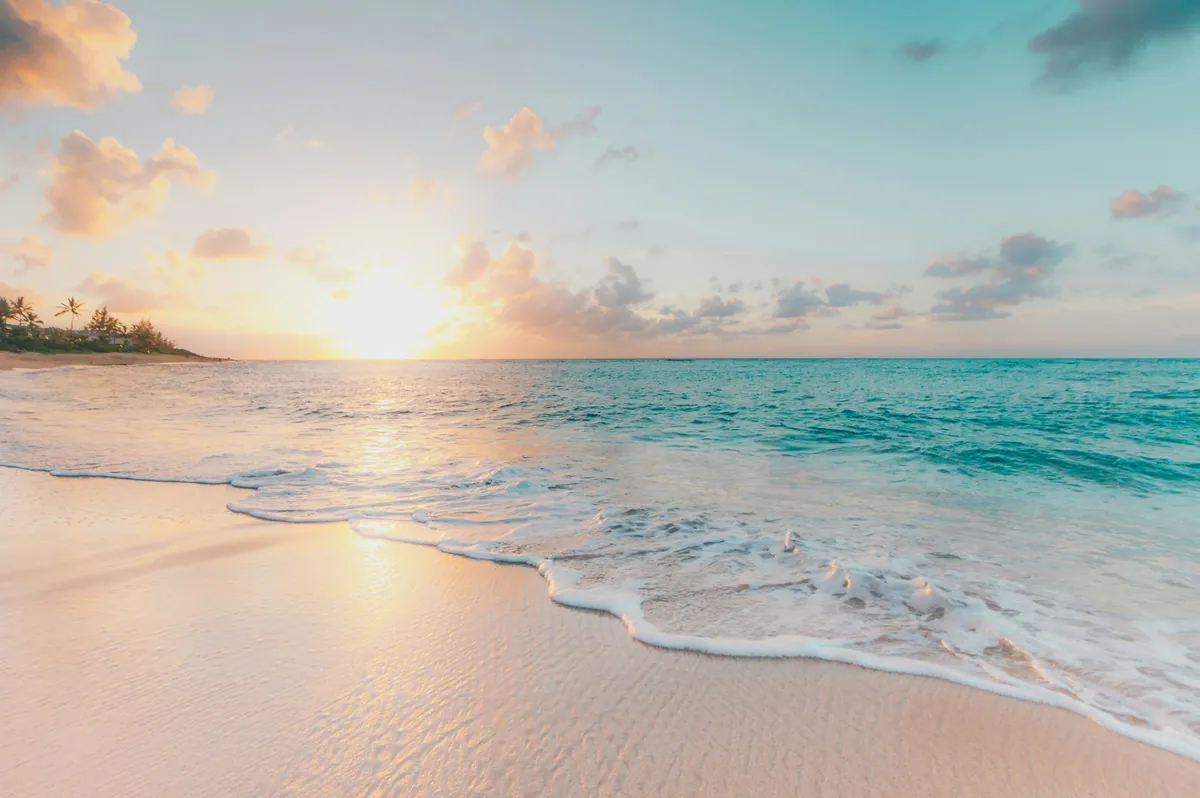
Jamaica, in frame
A quick visual sense of the landscapes, stays, and atmosphere your itinerary can be built around.
Build a Jamaica itinerary around your dates.
Share your travel month, group size, budget comfort, and must-do experiences. The Taro team will shape the right route before any payment conversation.