Why Djerba works
Djerba, linked to the Tunisian mainland by a Roman-era causeway and modern ferry, has drawn traders and settlers for three thousand years, and its layered heritage still shapes daily life: the El Ghriba Synagogue in Er Riadh, believed to be one of the oldest in the world, remains an active pilgrimage site for Jewish communities each spring, its interior a striking mix of Tunisian tilework and Jewish ritual objects. Houmt Souk, the island's main town, keeps a genuinely working medina rather than a purely touristic one -- arched, whitewashed lanes hung with fishing nets and pottery, a fondouk (caravanserai) turned into a small hotel, and a fish market that still supplies the island's restaurants each morning. Erriadh village has reinvented itself as Djerbahood, an open-air street-art project where over 250 international artists painted murals across the traditional houses of a still-lived-in village, making a wander through its lanes feel like a gallery threaded through daily Tunisian life. Djerba's domed, cube-shaped traditional houses -- thick-walled, whitewashed, and designed to stay cool without air conditioning -- are a distinct regional architecture found nowhere else in Tunisia, best appreciated on a slow drive or cycle through the island's interior villages. The east coast's long, calm beaches around Sidi Mahres support Djerba's long-standing role as a package-holiday destination, but the island rewards those who venture beyond the resort strip into its older, more textured interior.
Trip Snapshot
Suitable For
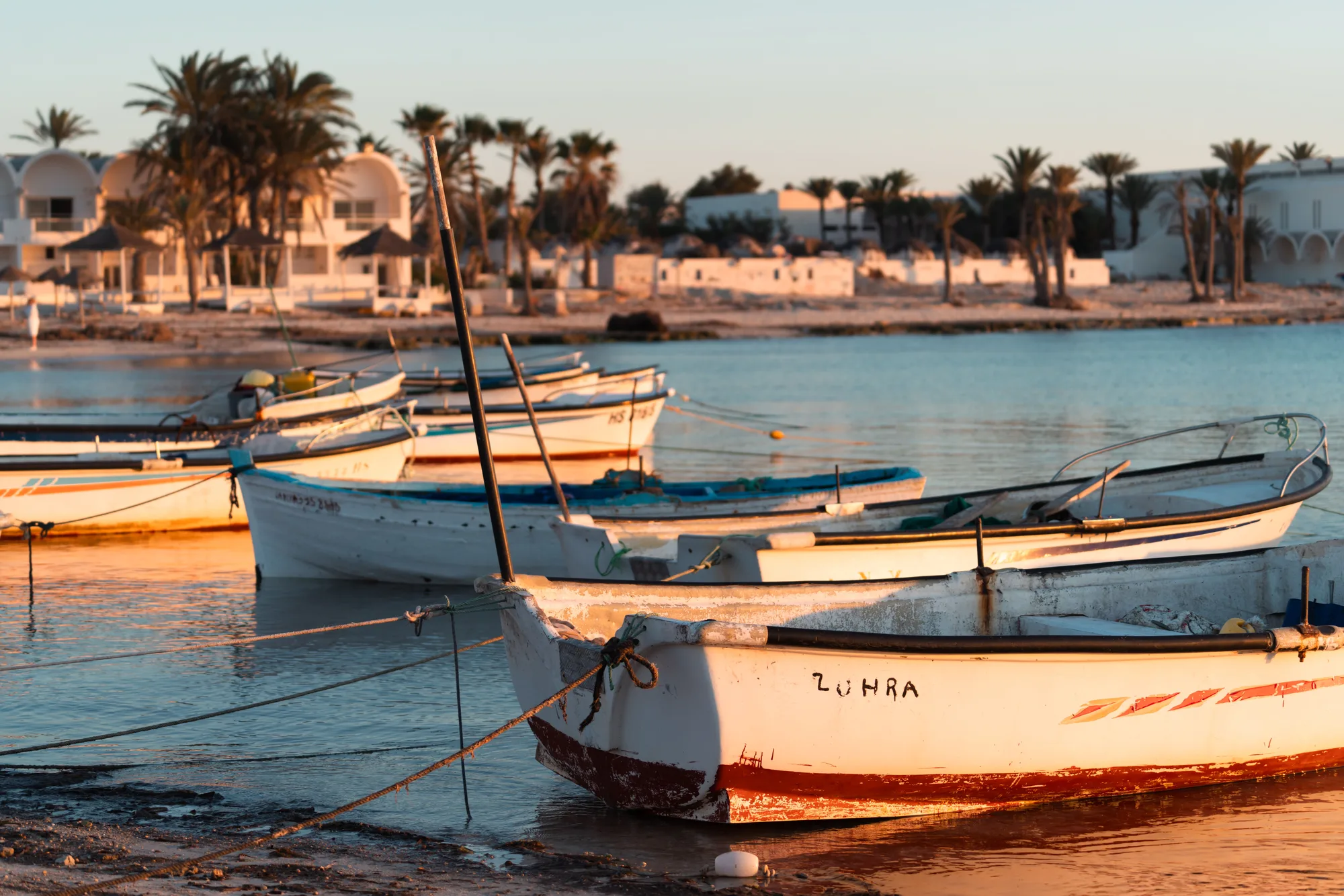
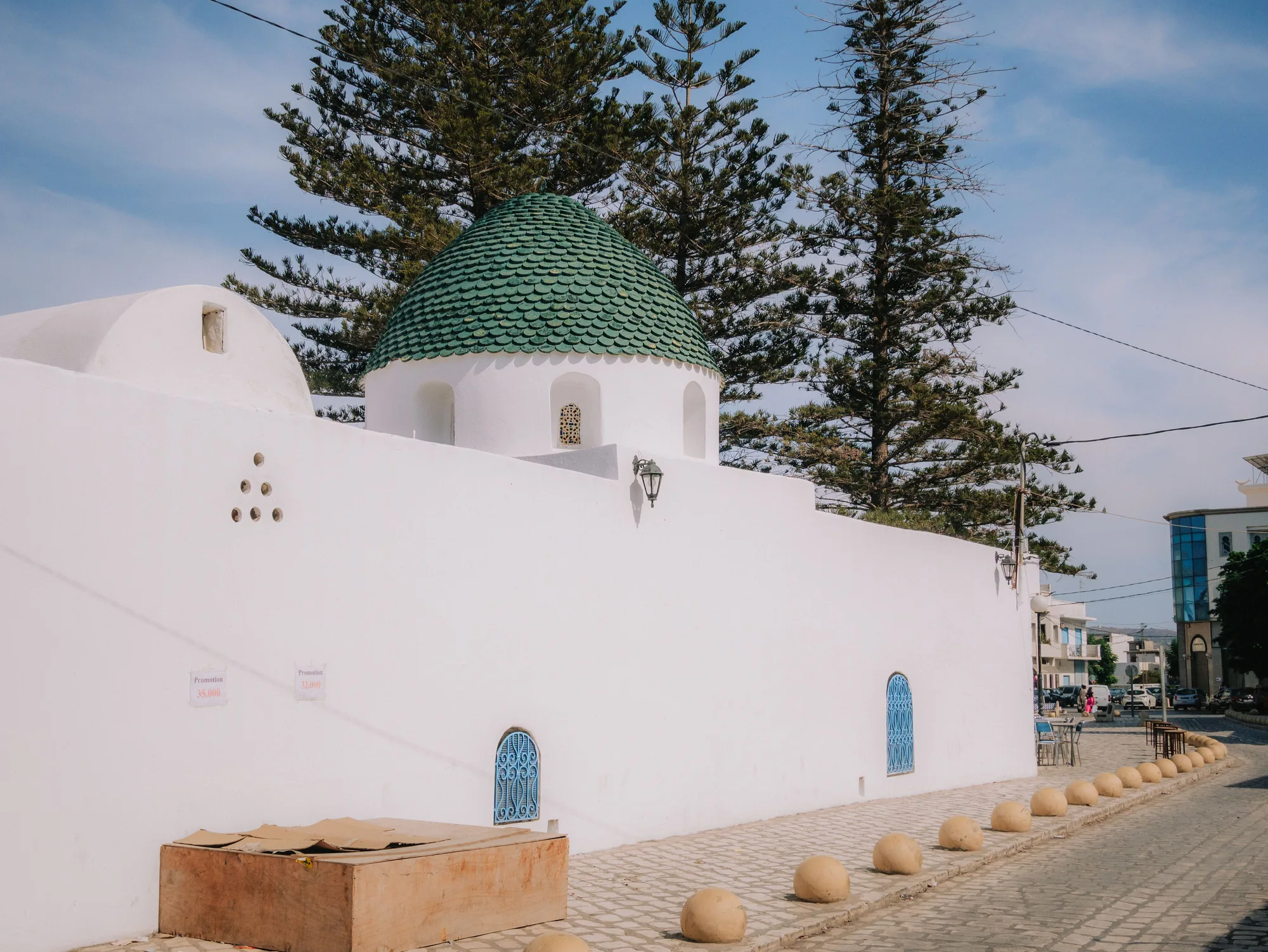
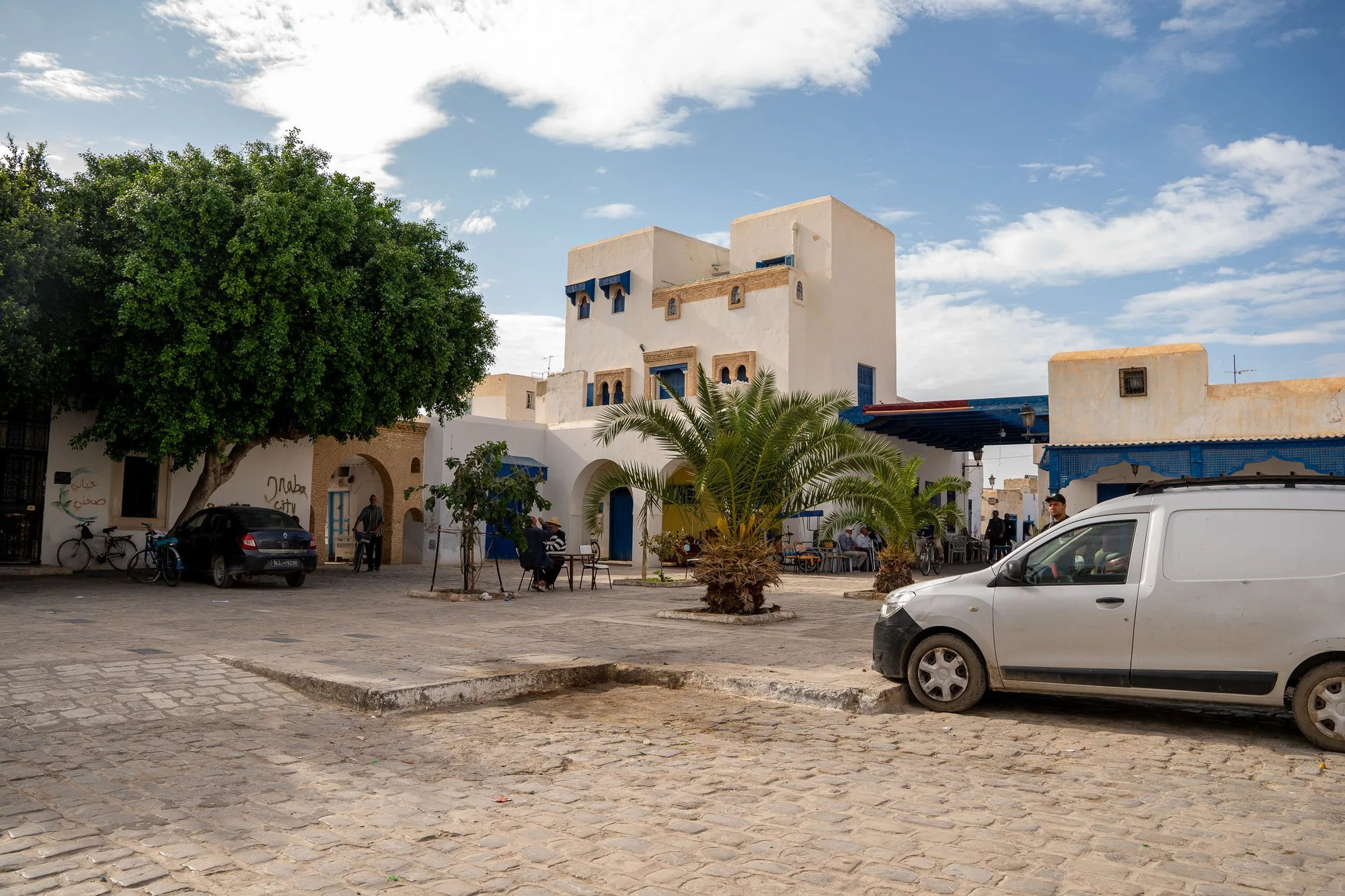
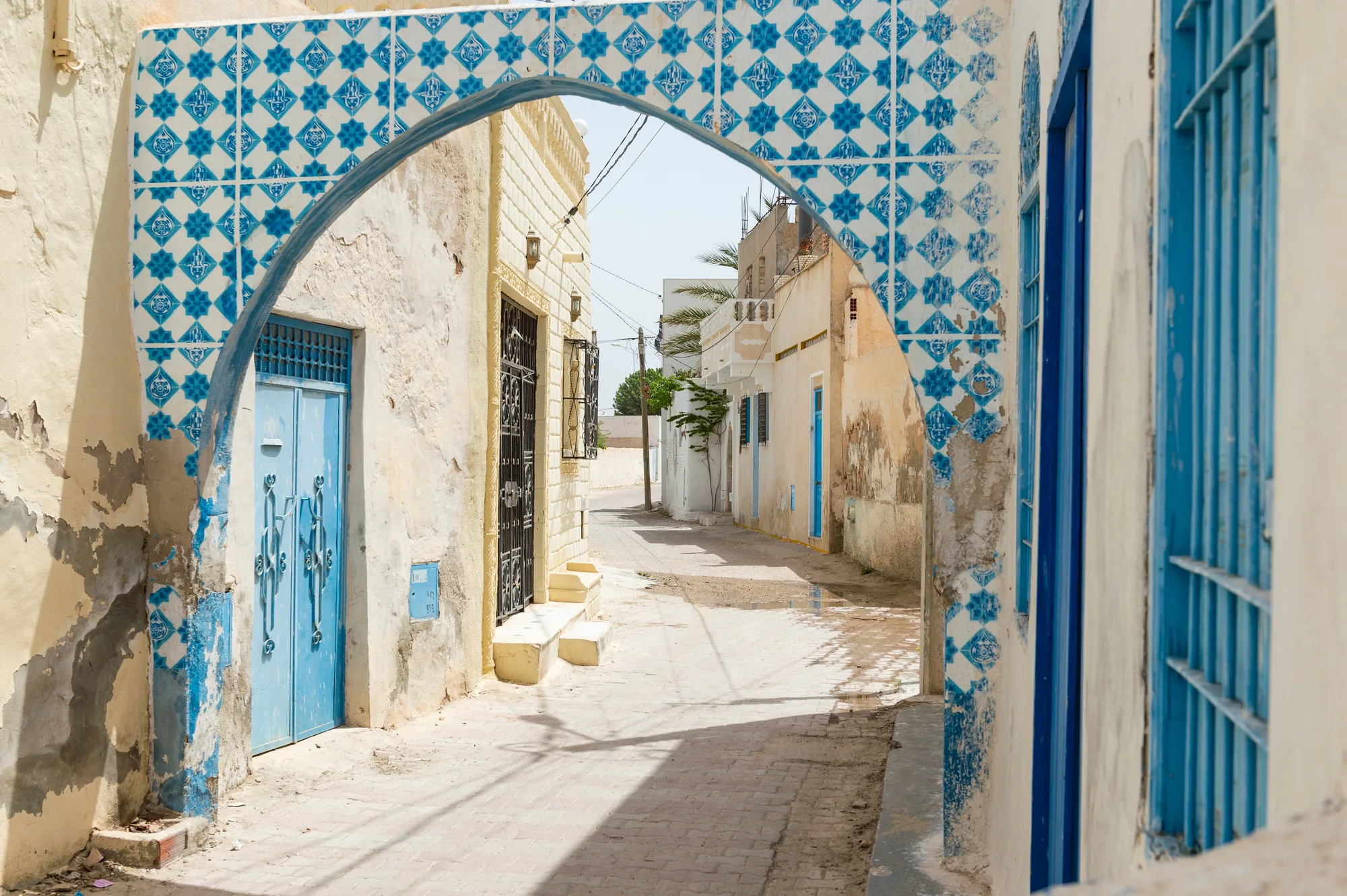
Djerba, in frame
A quick visual sense of the landscapes, stays, and atmosphere your itinerary can be built around.
Djerba questions, answered
When is the best time to visit Djerba?
April to June, September to October (warm without peak-summer heat)
What is the weather like in Djerba?
Mediterranean coastal, 12-33°C, hot dry summers, mild winters
Do I need a visa to travel to Tunisia?
Visa required for Indian nationals — apply in advance through the Tunisian embassy/consulate; no e-Visa currently available for India (verify visa rule before travel). Visa rules change without notice — confirm current requirements with the destination's embassy or consulate before you book.
What currency is used in Tunisia?
TND — Tunisian Dinar
What languages are spoken in Tunisia?
Arabic, French, Berber
Build a Djerba itinerary around your dates.
Share your travel month, group size, budget comfort, and must-do experiences. The Taro team will shape the right route before any payment conversation.