Why Diani Beach works
Diani Beach lies on the Indian Ocean coast of Kenya, about 30 kilometres south of Mombasa in Kwale County, in the area of the former Coast Province. Mombasa itself, the country's oldest and second-largest city, was the first capital of British East Africa before Nairobi was elevated to capital status in 1907, and it remains the gateway most visitors pass through on the way to Diani. The beach itself runs roughly 17 kilometres from the Congo River in the north to Galu Beach in the south, the latter marked by reference to an old baobab tree. The indigenous people of this stretch of coast are the Digo, one of the nine ethnic communities that make up the Mijikenda, though the wider Diani area today also includes Kenyans of other ethnicities who have settled there as tourism has grown.
The Digo are a Bantu ethnic and linguistic group settled along the coast between Mombasa and northern Tanga in Tanzania, and unlike other Mijikenda peoples they are nearly all Muslim, speaking the Digo language known to its speakers as Chidigo. The Mijikenda name itself means "the nine kaya," or nine cities, and the constituent peoples share many cultural traits and mutually understandable languages; they adopted the collective Mijikenda name when they formed the Mijikenda Union in the late 1940s. Before the colonial era, the Digo traded prosperously with nearby Swahili communities and had once dominated trade between the coast and the interior before losing ground to Swahili and Arab traders as Zanzibar's economic influence grew. That Swahili heritage survives at the northern tip of Diani Beach in the 16th-century Kongo Mosque, sited where the Kongo River meets the ocean and separates Diani from neighbouring Tiwi — the last remaining ancient Swahili structure in Diani.
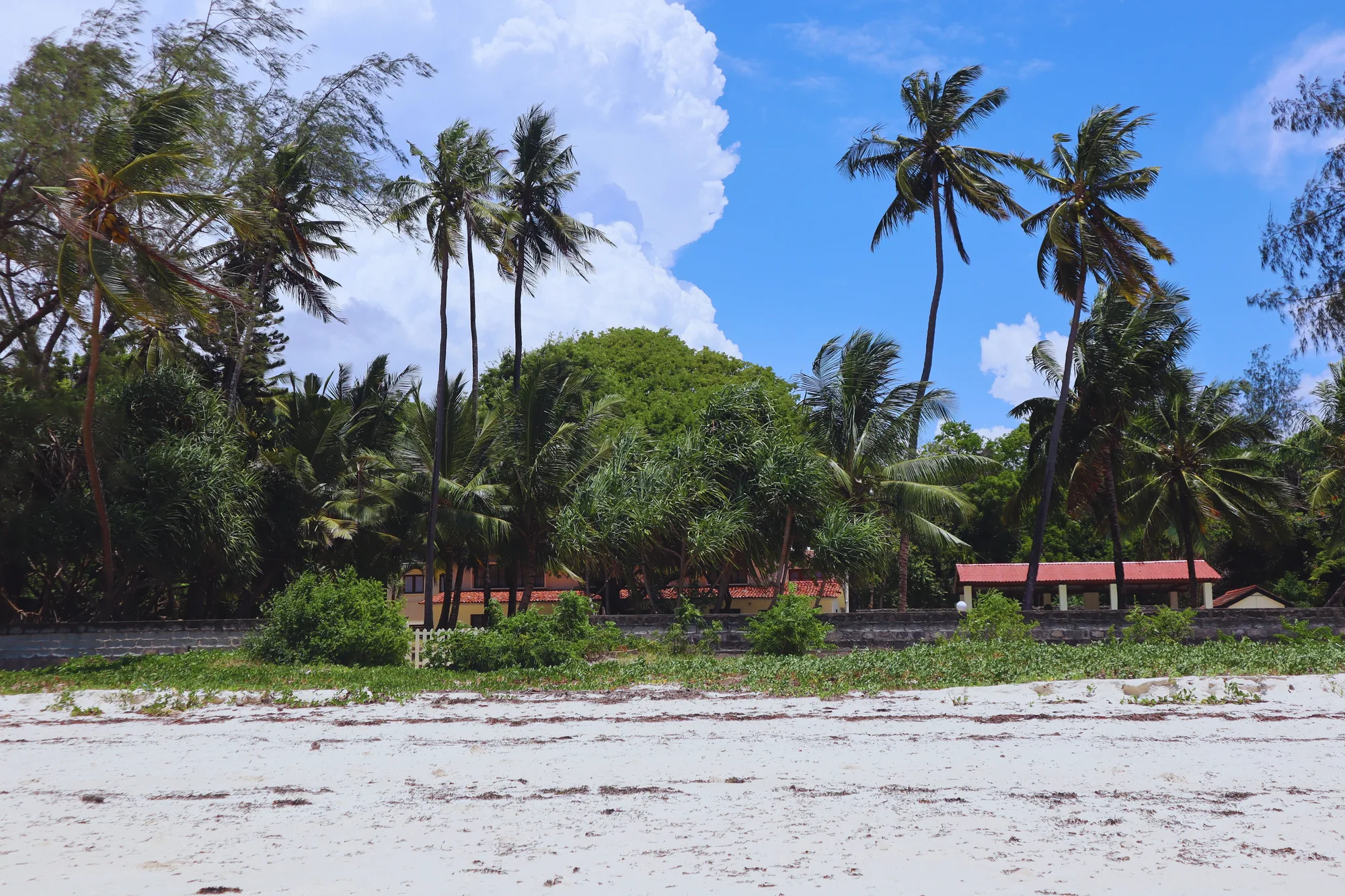
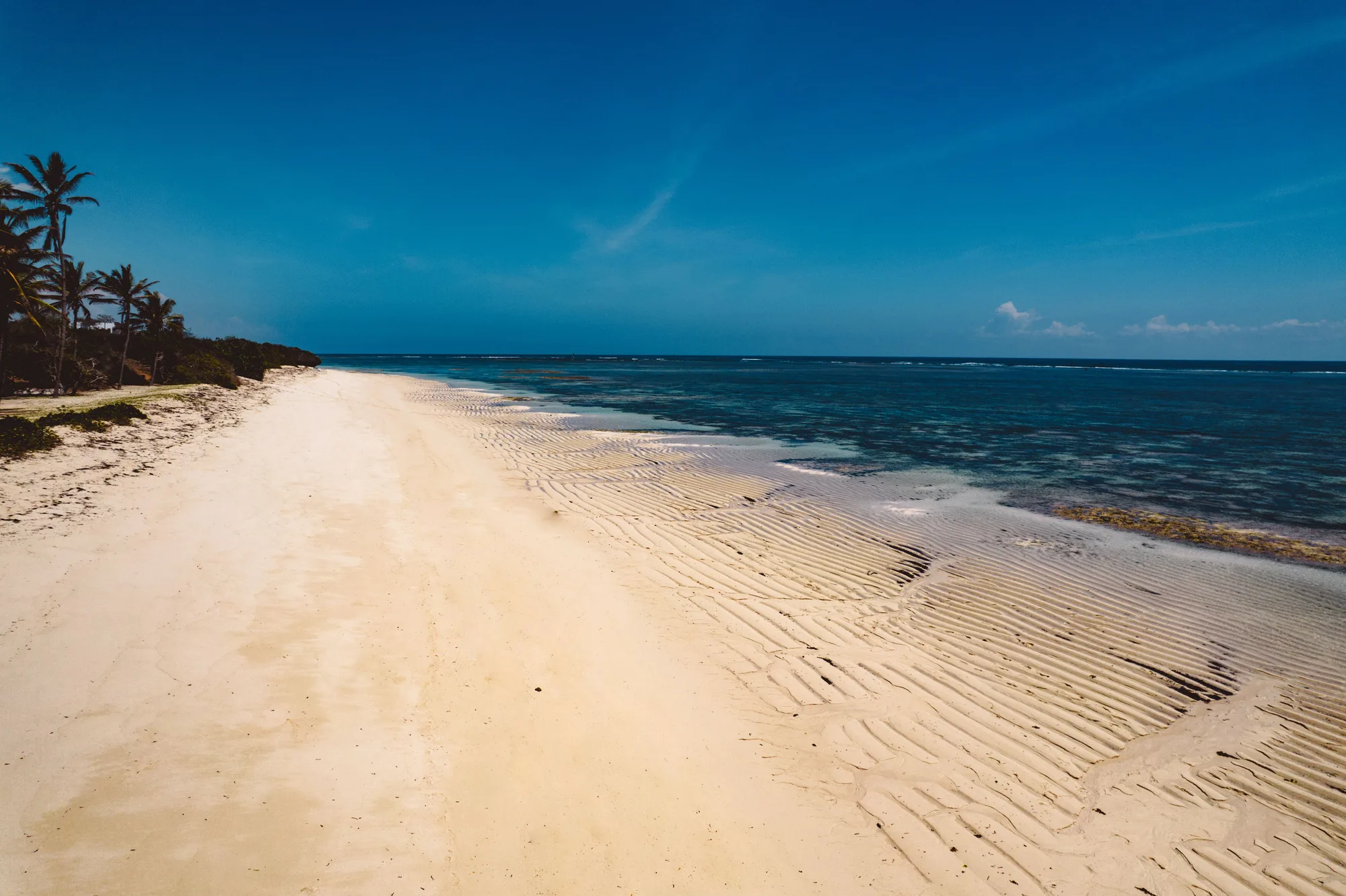
Along the beach itself, the water is shallow near the shore at low tide, with underwater sandbars close to the surface that allow wading with a clear view of the sandy bottom out toward the offshore reef. Inland, extensive vegetation, including numerous palm trees, covers the coastal areas, and the Mwachema River flows into the sea at Diani Beach. A small airstrip, Ukunda Airport, sits between the beach area and the Mombasa–Lunga Lunga road. Diani has been a popular destination since the mid-1900s, though for much of that time it was reachable by road from Mombasa only via the Likoni Ferry; the 2024 completion of the Dongo Kundu Bypass Highway, the Mombasa Southern Bypass, is expected to further boost the local tourism sector.
Kwale County, in which Diani sits, has a monsoon climate that is hot and dry from January to April, with June to August the coolest months. Rainfall arrives in two seasons — short rains from October to December and long rains from March into June or July — with the county's average temperature around 24.2°C, though coastal lowland temperatures run somewhat warmer, between roughly 26.3°C and 26.6°C, and further inland toward Shimba Hills and the hinterland the range shifts again. Annual rainfall across the county varies between 400 and 1,680 millimetres, and flooding has historically occurred in the county's central eastern parts during periods of intense rain.
The combined Ukunda/Diani area had a population of 70,788 people according to a 2015 count, reflecting the sustained pull of the tourism sector on settlement in the area, with Kwale as the county's formal capital even though Ukunda is its largest town. The Digo economy was for a long time built mostly around agriculture, organized historically around kaya settlements — fortified towns and villages — that later gave way to dispersed sub-kaya communities and individual homesteads along the coastal plain, even as the kayas themselves retained significance as sites of dispute resolution and religious ceremony. Digo social life is also distinctively organized around matrilineal kinship: descent and identity run through named matri-clans called fuko, and the Digo hold that having daughters, rather than sons, is what makes a fuko's lineage prosper over time.
- Diani Beach — Wikipedia, CC BY-SA 4.0
- Mombasa — Wikipedia, CC BY-SA 4.0
- Kwale County — Wikipedia, CC BY-SA 4.0
- Digo people — Wikipedia, CC BY-SA 4.0
Text adapted from the linked articles under CC BY-SA 4.0; edited for length.
Trip Snapshot
Suitable For
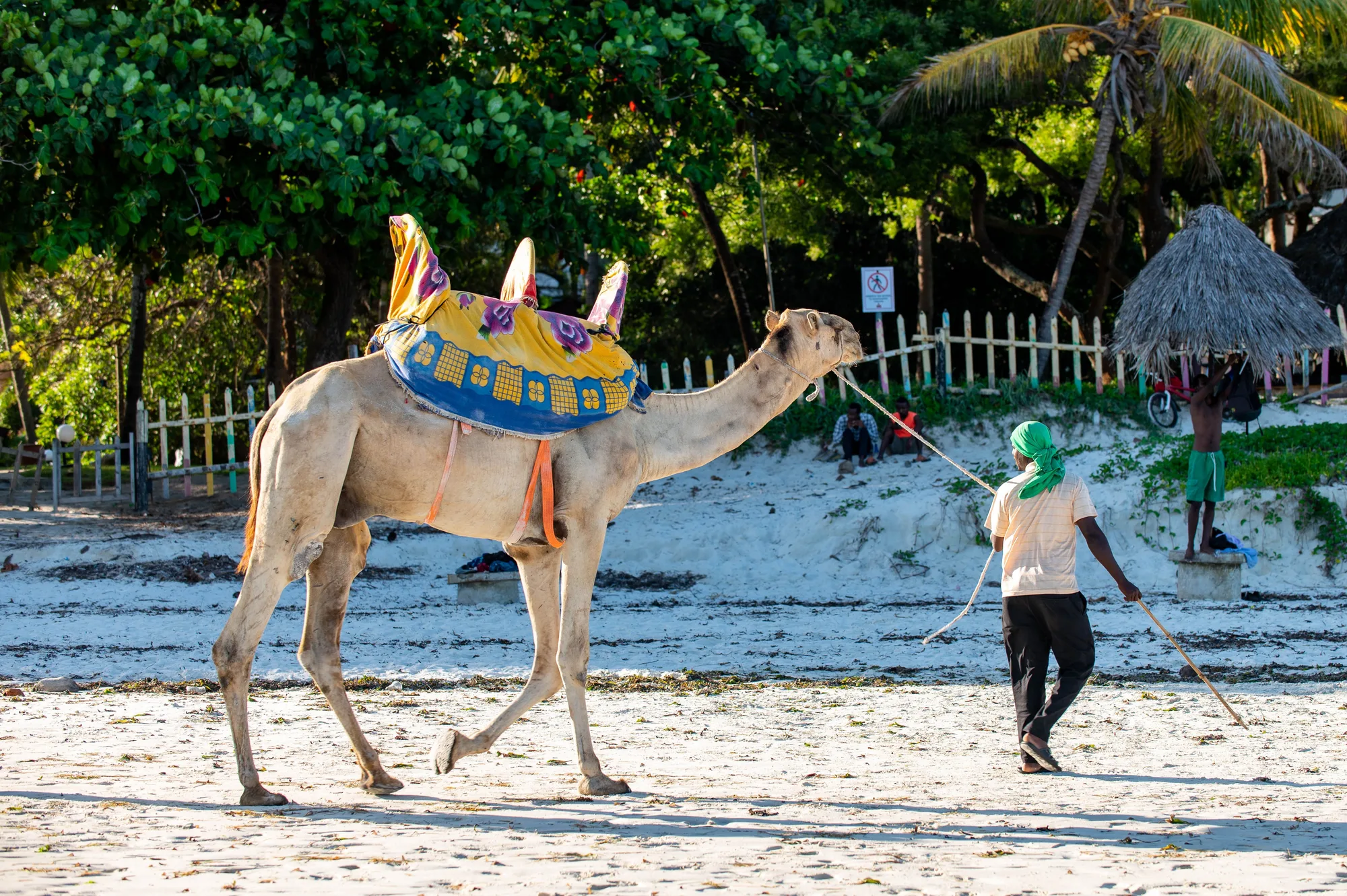
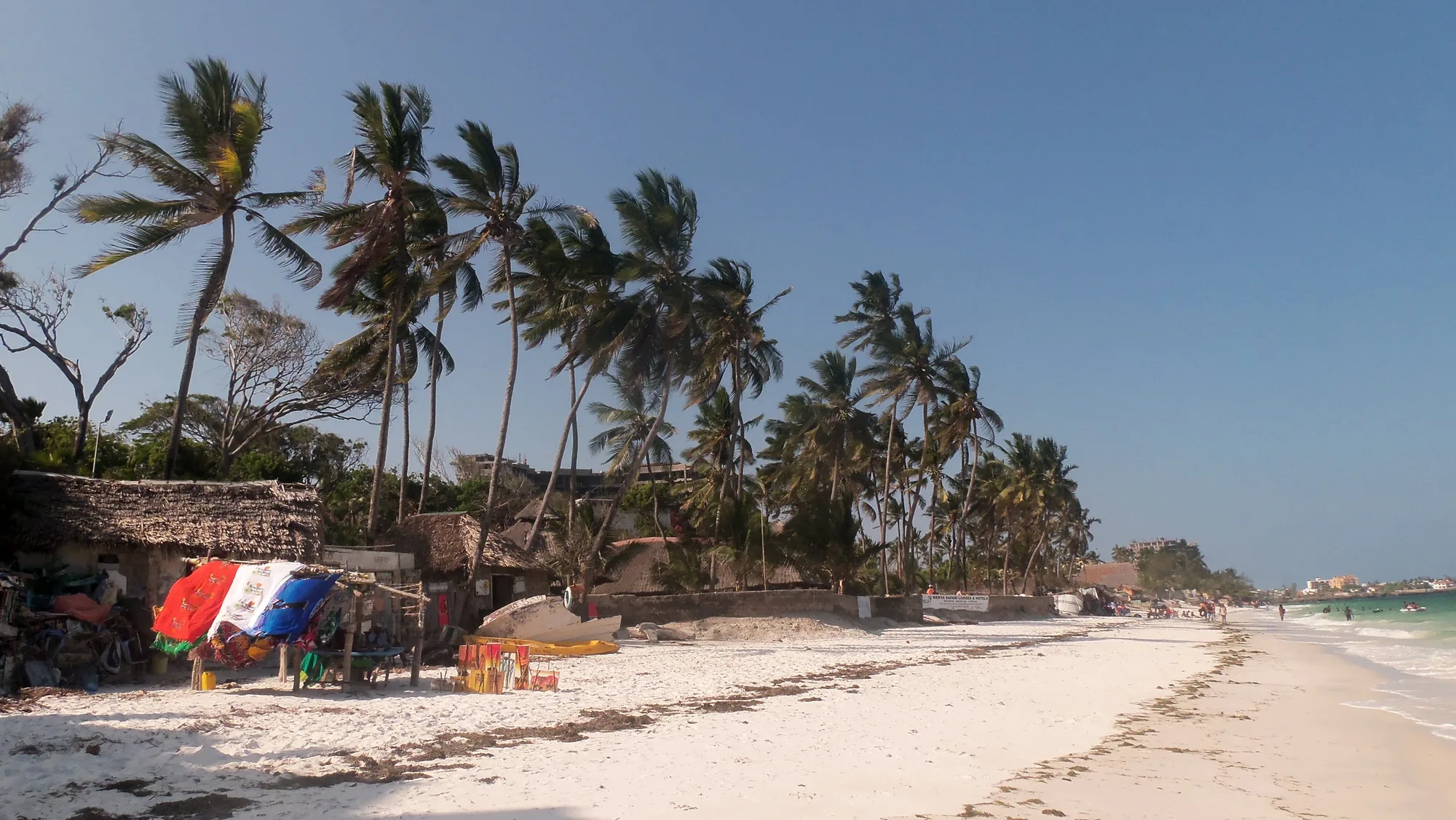
Diani Beach, in frame
A quick visual sense of the landscapes, stays, and atmosphere your itinerary can be built around.
Diani Beach questions, answered
When is the best time to visit Diani Beach?
January to March, July to October (avoid the long rains, Apr-May)
What is the weather like in Diani Beach?
Tropical coastal, 24-32°C, humid year-round
Do I need a visa to travel to Kenya?
ETA (Electronic Travel Authorisation) required for Indian nationals — apply online before departure. Visa rules change without notice — confirm current requirements with the destination's embassy or consulate before you book.
What currency is used in Kenya?
KES — Kenyan Shilling
What languages are spoken in Kenya?
Swahili, English
Build a Diani Beach itinerary around your dates.
Share your travel month, group size, budget comfort, and must-do experiences. The Taro team will shape the right route before any payment conversation.