Why Costa Rica works
Costa Rica, officially the Republic of Costa Rica, is a Central American country bordered by Nicaragua to the north, the Caribbean Sea to the northeast, Panama to the southeast, and the Pacific Ocean to the southwest. It covers nearly 51,180 square kilometres and has a population of around five million, with San José, home to roughly 350,000 people and about two million in its wider metropolitan area, serving as capital and largest city. The country's highest point is Cerro Chirripó at 3,819 metres, while its highest volcano, Irazú, rises to 3,431 metres among the fourteen known volcanoes across the country, six of which have been active within the last 75 years.
Stone tools found in the Turrialba Valley, the oldest evidence of human presence in Costa Rica, are associated with hunter-gatherers who arrived roughly 10,000 to 7,000 years BCE, and historians classify Costa Rica's Indigenous peoples as part of the Intermediate Area, where Mesoamerican and Andean cultural influences overlapped. Agriculture became established in the region around 5,000 years ago, with tubers and roots as the main crops, and settled farming communities appear from the first and second millennia BCE; the earliest pottery in the region dates to roughly 2,000 to 3,000 BCE, including decorated vases and animal-shaped vessels.
Corcovado National Park, internationally recognised among ecologists for its biodiversity, is the only place in Costa Rica where all four of the country's monkey species can be found, including the endangered Geoffroy's spider monkey and the Central American squirrel monkey, found only on Costa Rica's Pacific coast and a small part of Panama. At higher elevations, La Amistad and Chirripó present páramo conditions above 3,000 metres, home to species such as the white-nosed coati and the sooty thrush. Costa Rica is recognised as the first tropical country to have halted and reversed deforestation, restoring its forest cover and developing environmental protection measures now studied by biologists and ecologists elsewhere. Costa Rica is considered one of the most biodiverse countries in Latin America relative to its size, a status reflected in the density of protected parks and reserves packed into a comparatively small territory.
Costa Rica has a tropical climate year-round with two clear seasons: a dry season from December to April and a rainy season from May to November, though rain can still fall during dry months and dry stretches occur during the wet season. March and April are typically the hottest months, and December and January the coolest, a pattern shaped by the country's position between two oceans and its range of elevation from coastal lowland to volcanic highland.
Costa Rican cuisine blends Indigenous, Spanish, and African influences: tamales and other corn-based dishes reflect its Indigenous roots and resemble food found across neighbouring Mesoamerican countries, while Spanish colonisation introduced new spices and domestic animals, and African culinary influence, arriving more strongly in the nineteenth century, added further Caribbean flavour. As each new group has become part of Costa Rica's population, its food traditions have folded into the national cuisine, producing a table shaped by successive waves of migration rather than a single culinary source. In 2021, Costa Rica co-launched the Beyond Oil and Gas Alliance with Denmark at the COP26 climate summit, an initiative later joined by Sweden, New Zealand, and Portugal.
- Costa Rica — Wikipedia, CC BY-SA 4.0
Text adapted from the linked articles under CC BY-SA 4.0; edited for length.
Trip Snapshot
Highlights
Suitable For
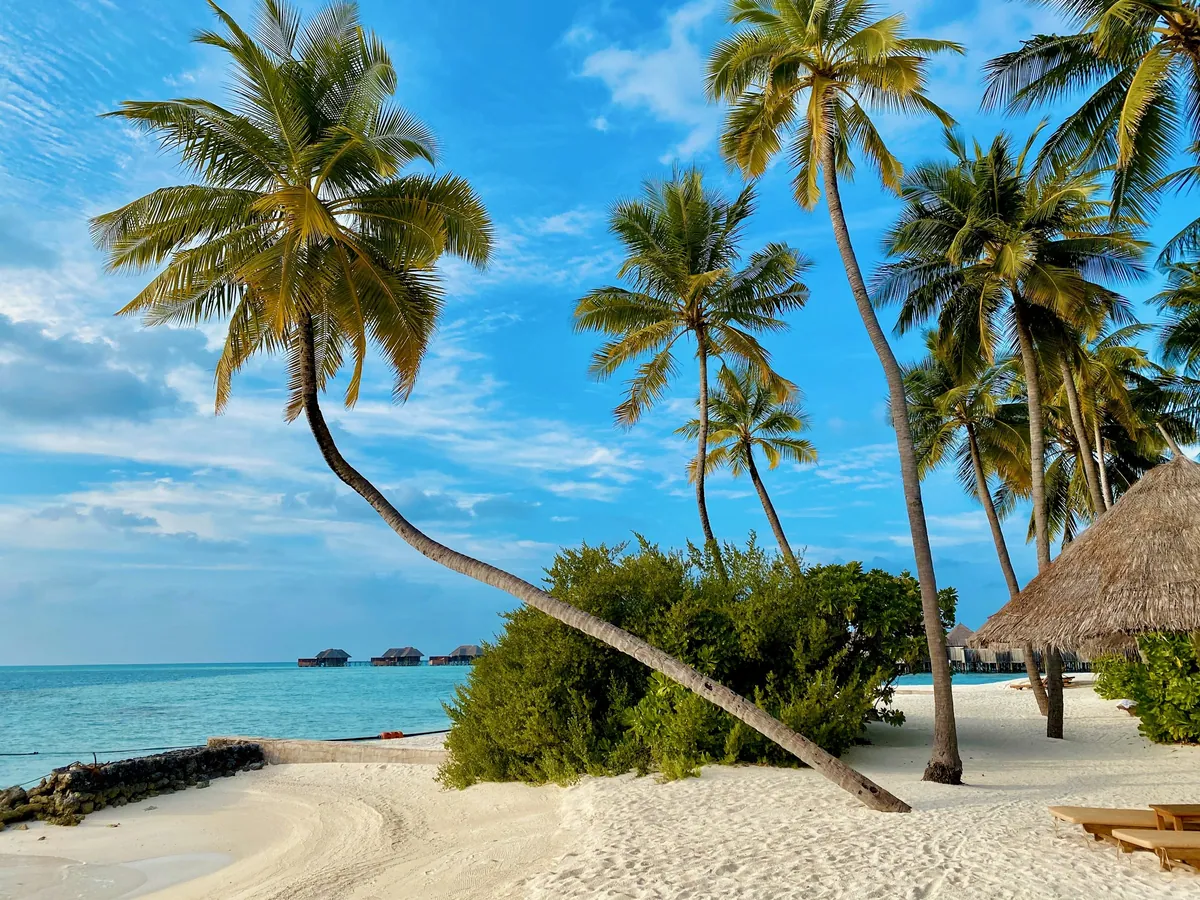
Costa Rica, in frame
A quick visual sense of the landscapes, stays, and atmosphere your itinerary can be built around.
Build a Costa Rica itinerary around your dates.
Share your travel month, group size, budget comfort, and must-do experiences. The Taro team will shape the right route before any payment conversation.