Why Coorg (Kodagu) works
Coorg (Kodagu) is one of South India's most beloved hill destinations — and for good reason. Tucked into the Western Ghats at elevations ranging from 900 to 1,748 metres, the region receives generous rainfall that feeds the Cauvery River and blankets every hillside in lush green. Coffee and pepper estates stretch as far as the eye can see, punctuated by silver ribbons of waterfalls and the glint of temple gopurams.
The indigenous Kodava people are known for their distinct identity: a warrior heritage (they retain the right to bear arms without a licence), vibrant festivals like Kailpodh and Kaveri Sankramana, and a cuisine built around pork, rice, and the famous Coorg jaggery-laced coffee. Their ancestral homes (ain-mane) — clan houses shared by extended families — are architectural treasures in their own right.
For travellers, Coorg offers an unusual breadth: heritage seekers explore Madikeri Fort and Omkareshwara Temple; nature lovers trek to Tadiandamol or watch elephants bathe in the Cauvery at Dubare; pilgrims seek the sacred source of the river at Talakaveri; and honeymooners disappear into private plantation bungalows draped in mist. The Golden Temple at Bylakuppe — India's largest Tibetan settlement — adds a completely unexpected cultural dimension just an hour away.
Coorg is also a coffee lover's paradise. The region produces some of India's finest Arabica and Robusta, and plantation tours with live roasting demonstrations are a highlight of any visit.
Trip Snapshot
Suitable For
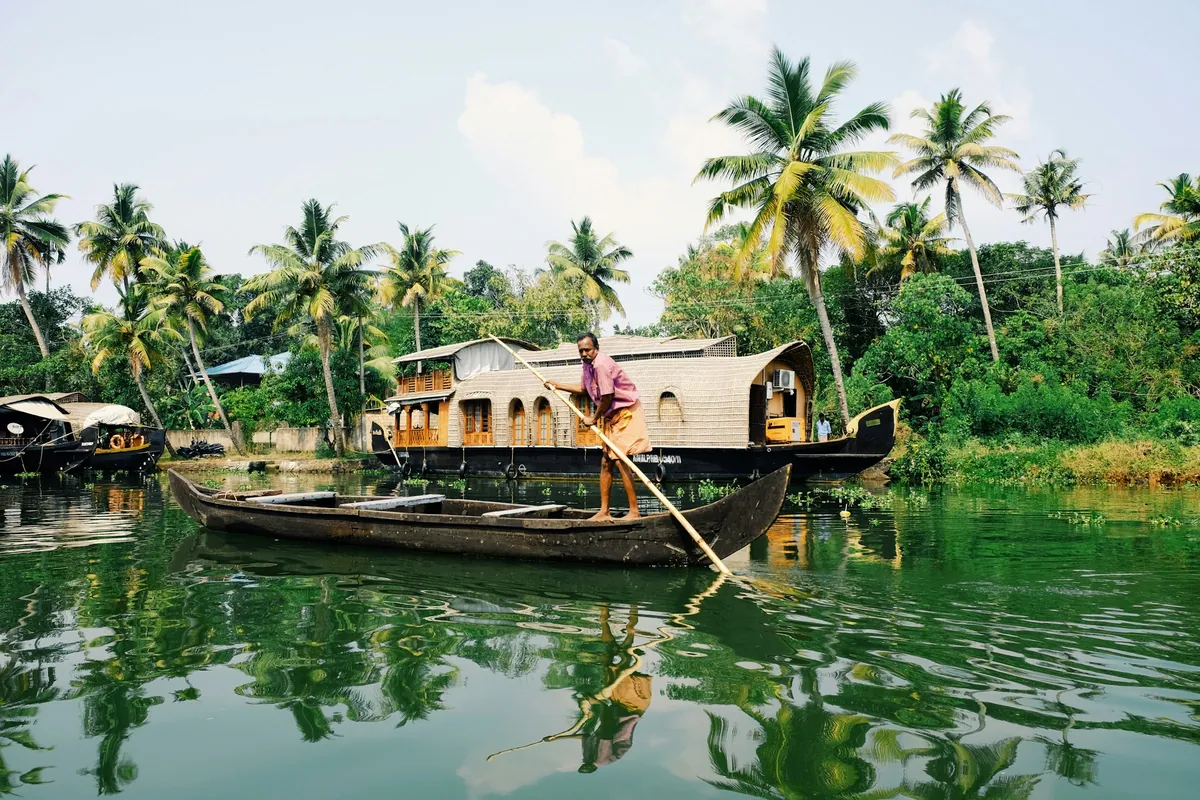
Coorg (Kodagu), in frame
A quick visual sense of the landscapes, stays, and atmosphere your itinerary can be built around.
Coorg (Kodagu) questions, answered
When is the best time to visit Coorg (Kodagu)?
October to May — post-monsoon greenery peaks Oct–Nov; winter (Dec–Feb) has crisp clear skies. June–Sept is monsoon season — dramatic waterfalls but roads can be slippery.
What is the weather like in Coorg (Kodagu)?
Tropical highland. Temperature 12–35°C year-round. Rainfall: 2,500–5,000 mm annually, mostly June–September.
Do I need a visa to travel to India?
No separate visa required for Indian nationals. Foreign visitors need a standard India tourist visa. Visa rules change without notice — confirm current requirements with the destination's embassy or consulate before you book.
What currency is used in India?
INR (₹)
What languages are spoken in India?
Kodava (native), Kannada, English
Build a Coorg (Kodagu) itinerary around your dates.
Share your travel month, group size, budget comfort, and must-do experiences. The Taro team will shape the right route before any payment conversation.