Why Cape Coast works
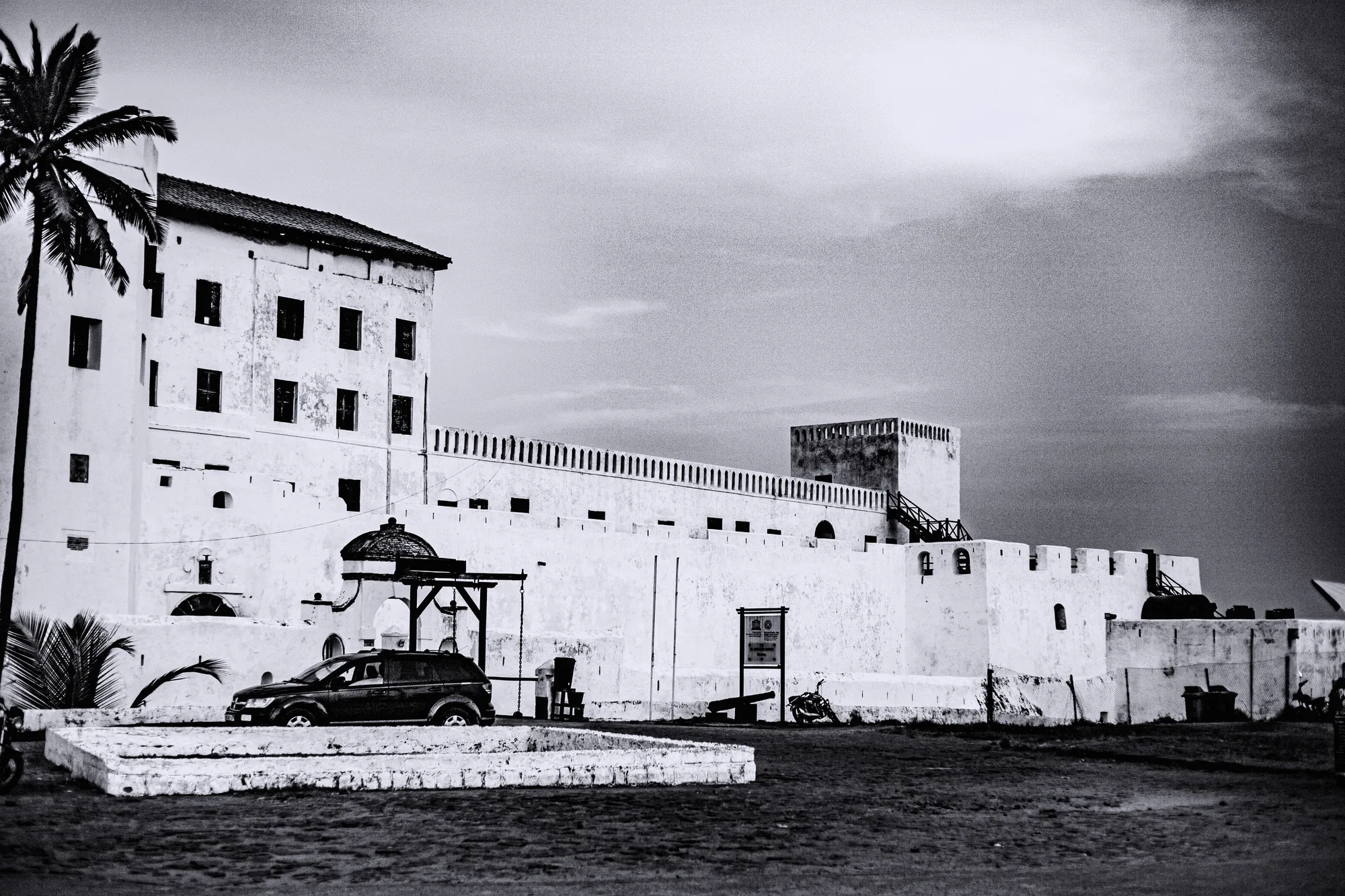
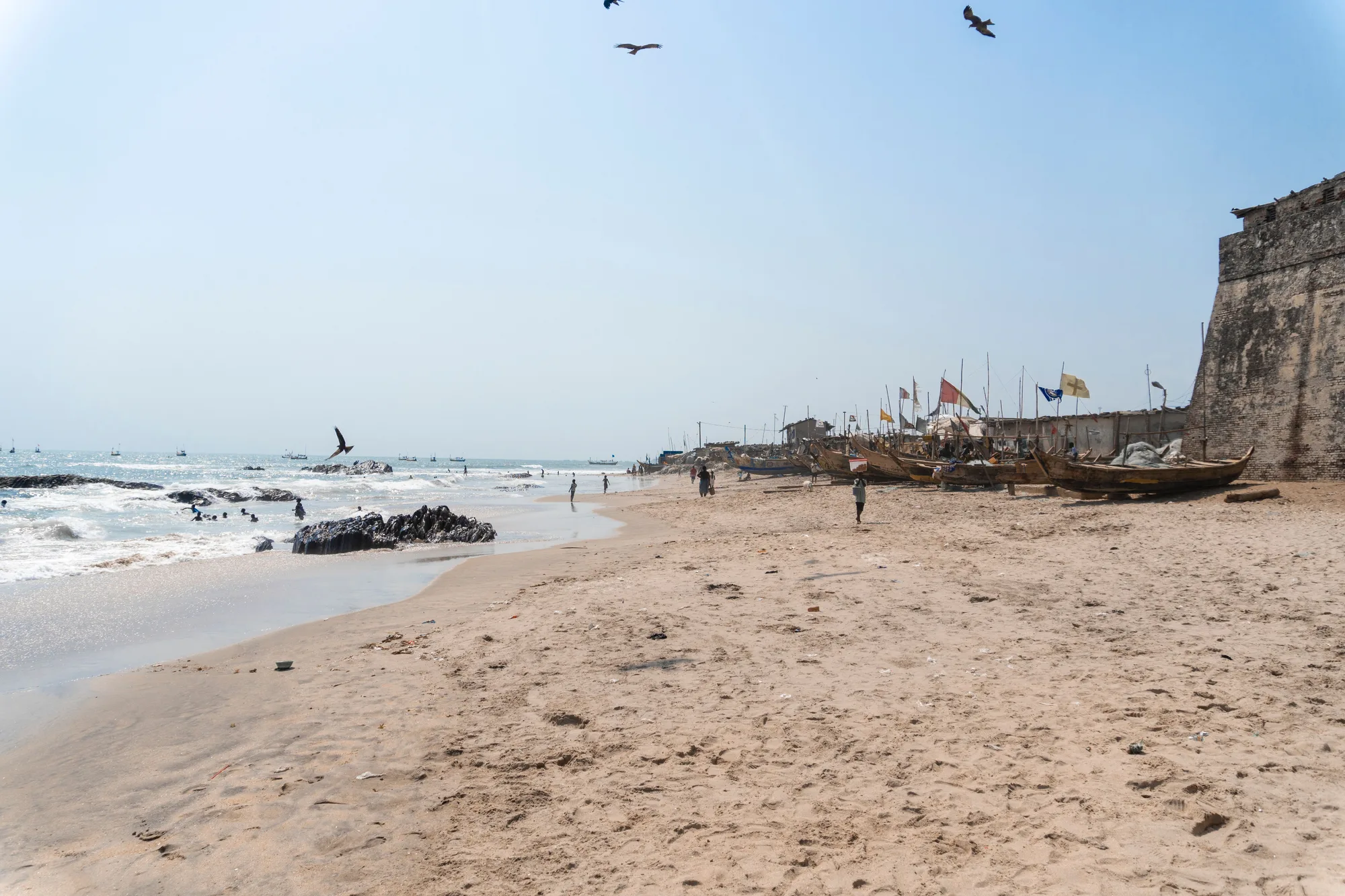
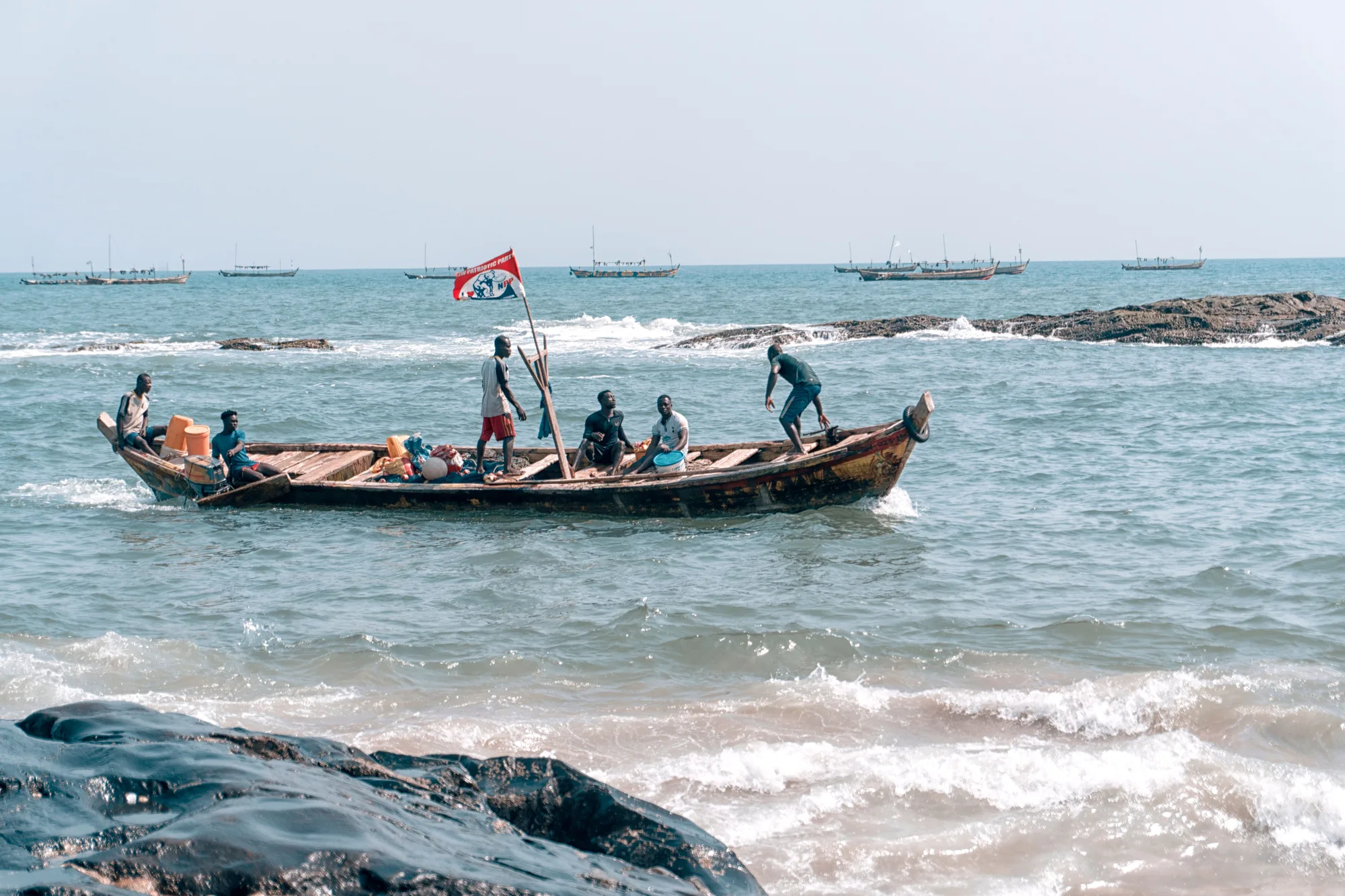
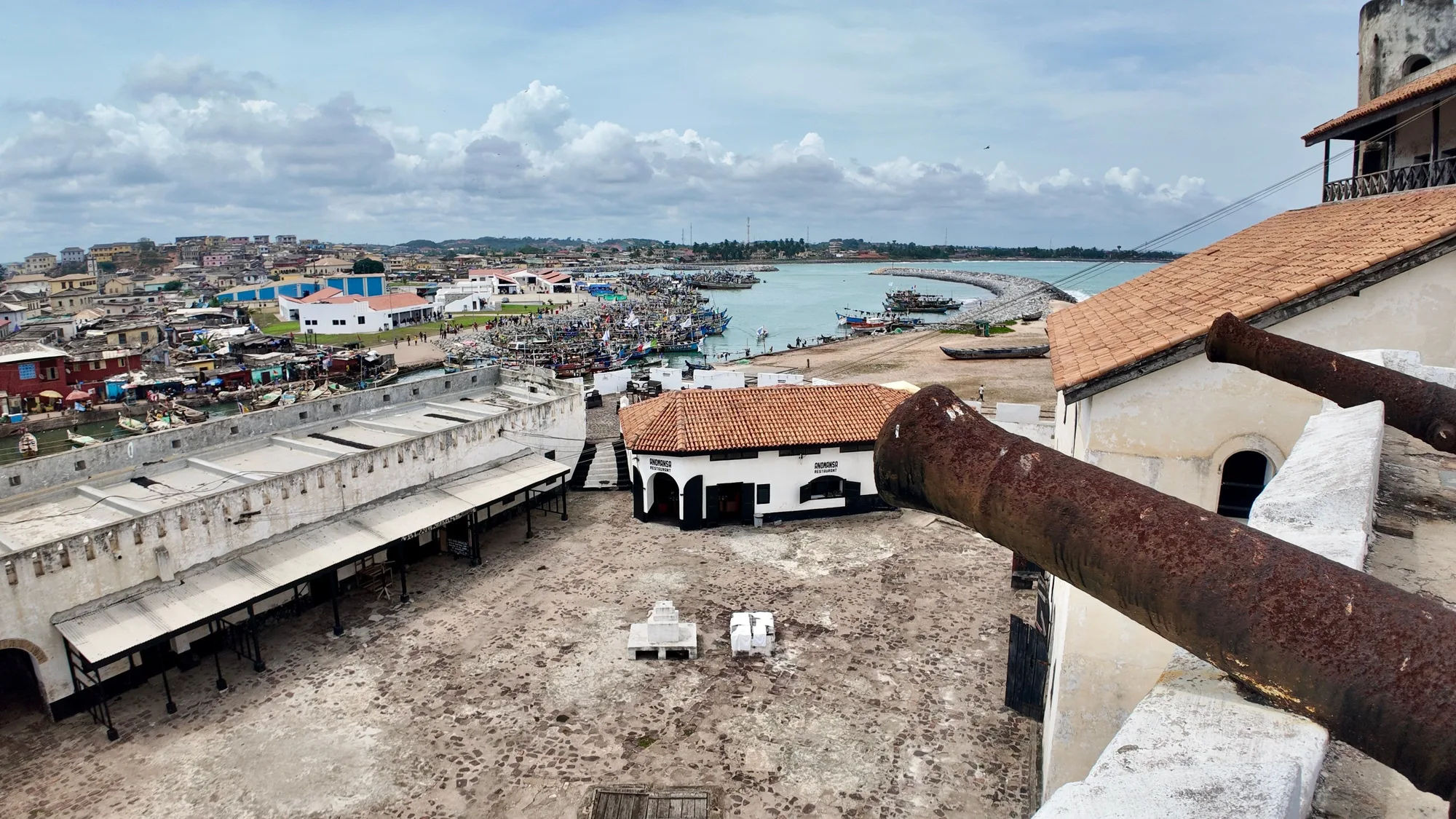
Cape Coast Castle stands stark white above a busy fishing beach, its beauty deliberately at odds with its history: built and expanded by Swedish, Dutch and finally British traders, it was one of the largest departure points on the transatlantic slave trade's "Door of No Return," through which hundreds of thousands of enslaved Africans passed into the Middle Passage. Guided tours descend into the castle's dungeons -- low-ceilinged, airless chambers where hundreds were held for weeks awaiting ships -- before ending at the Door of No Return itself, now inscribed on the outside as the "Door of Return" to mark the growing numbers of diaspora visitors reclaiming the site as part of a homecoming rather than only a memorial. A UNESCO World Heritage Site alongside neighbouring Elmina Castle, an even older Portuguese-built fort a short drive west, Cape Coast Castle anchors what has become one of West Africa's most important heritage circuits. The town around the castle retains a working fishing-harbour rhythm largely unconnected to tourism, with colourful pirogues landing catch each morning along the beach directly below the fort walls. Twenty minutes inland, Kakum National Park offers a lighter counterpoint: a canopy walkway suspended 30 metres above the rainforest floor, strung between seven platforms, giving views over one of Ghana's last intact tropical forests and a chance to spot forest elephants and hornbills from above the canopy.
Trip Snapshot
Suitable For
Cape Coast, in frame
A quick visual sense of the landscapes, stays, and atmosphere your itinerary can be built around.
Cape Coast questions, answered
When is the best time to visit Cape Coast?
November to March (dry Harmattan season, comfortable for touring)
What is the weather like in Cape Coast?
Tropical coastal, 24-31°C, humid, two wet seasons (Apr-Jun, Sep-Oct)
Do I need a visa to travel to Ghana?
e-Visa required for Indian nationals — apply online in advance via Ghana's official e-Visa portal. Visa rules change without notice — confirm current requirements with the destination's embassy or consulate before you book.
What currency is used in Ghana?
GHS — Ghanaian Cedi
What languages are spoken in Ghana?
English, Fante, Twi
Build a Cape Coast itinerary around your dates.
Share your travel month, group size, budget comfort, and must-do experiences. The Taro team will shape the right route before any payment conversation.