Why Bwindi Impenetrable Forest works
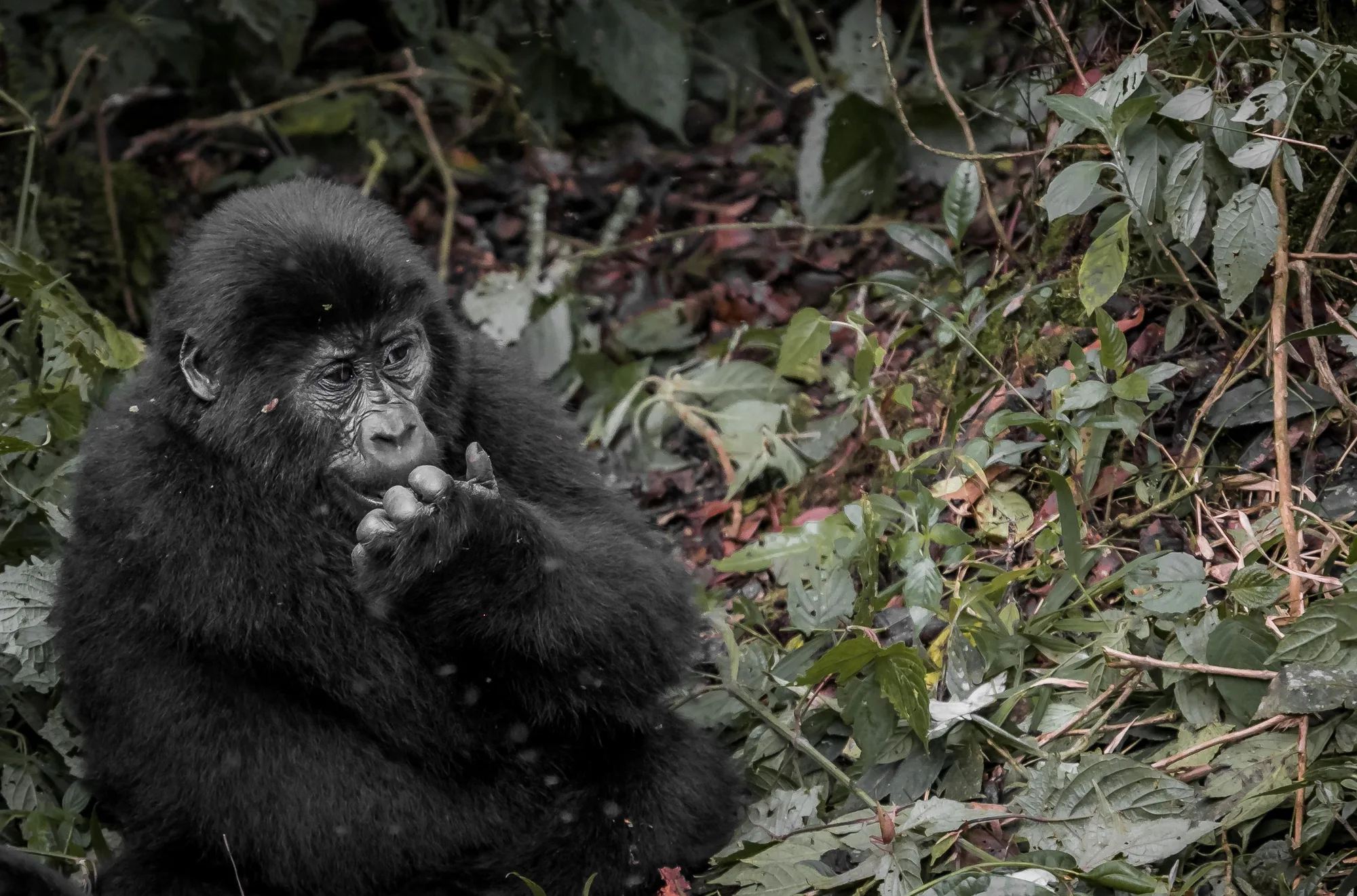
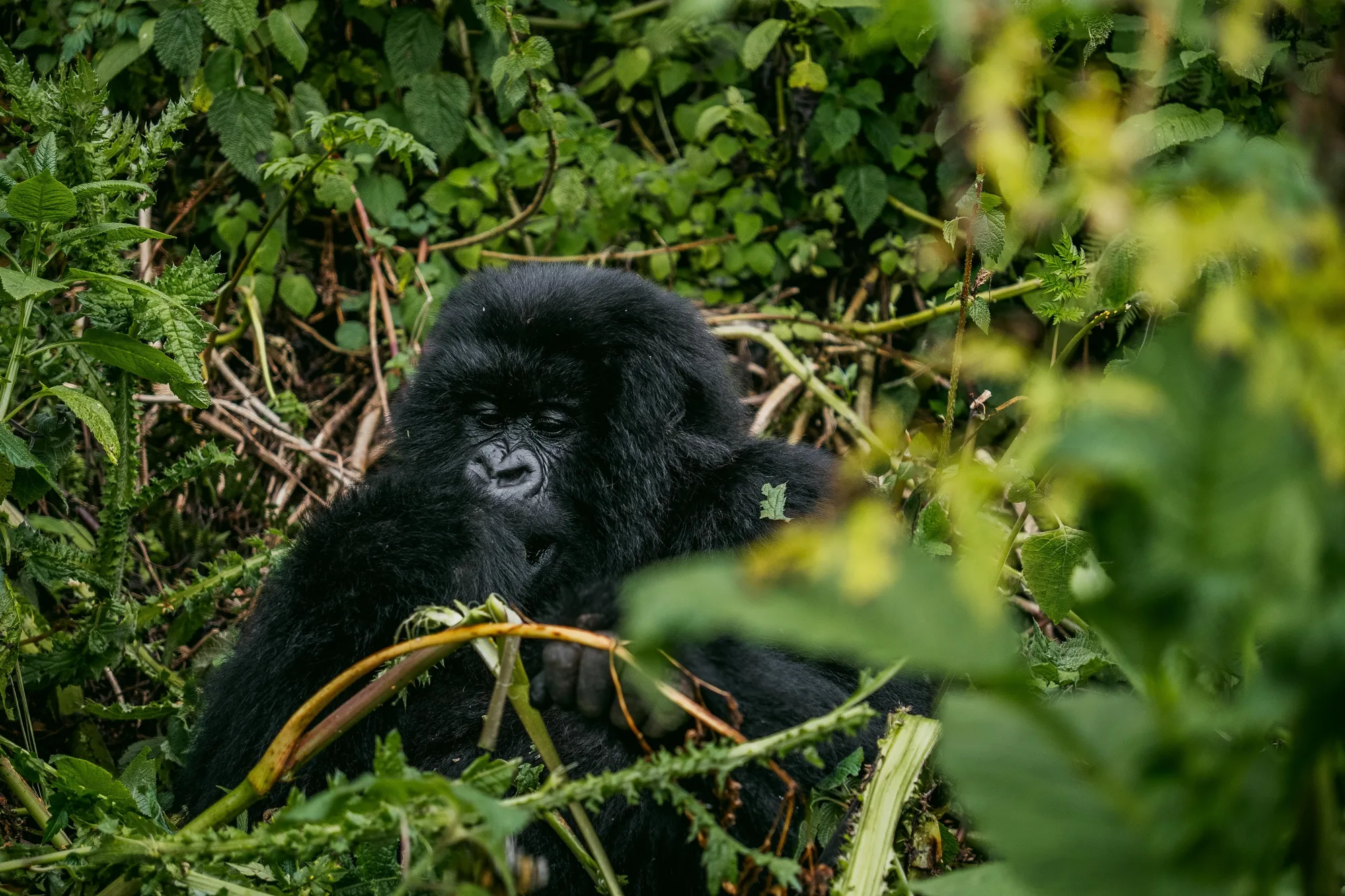
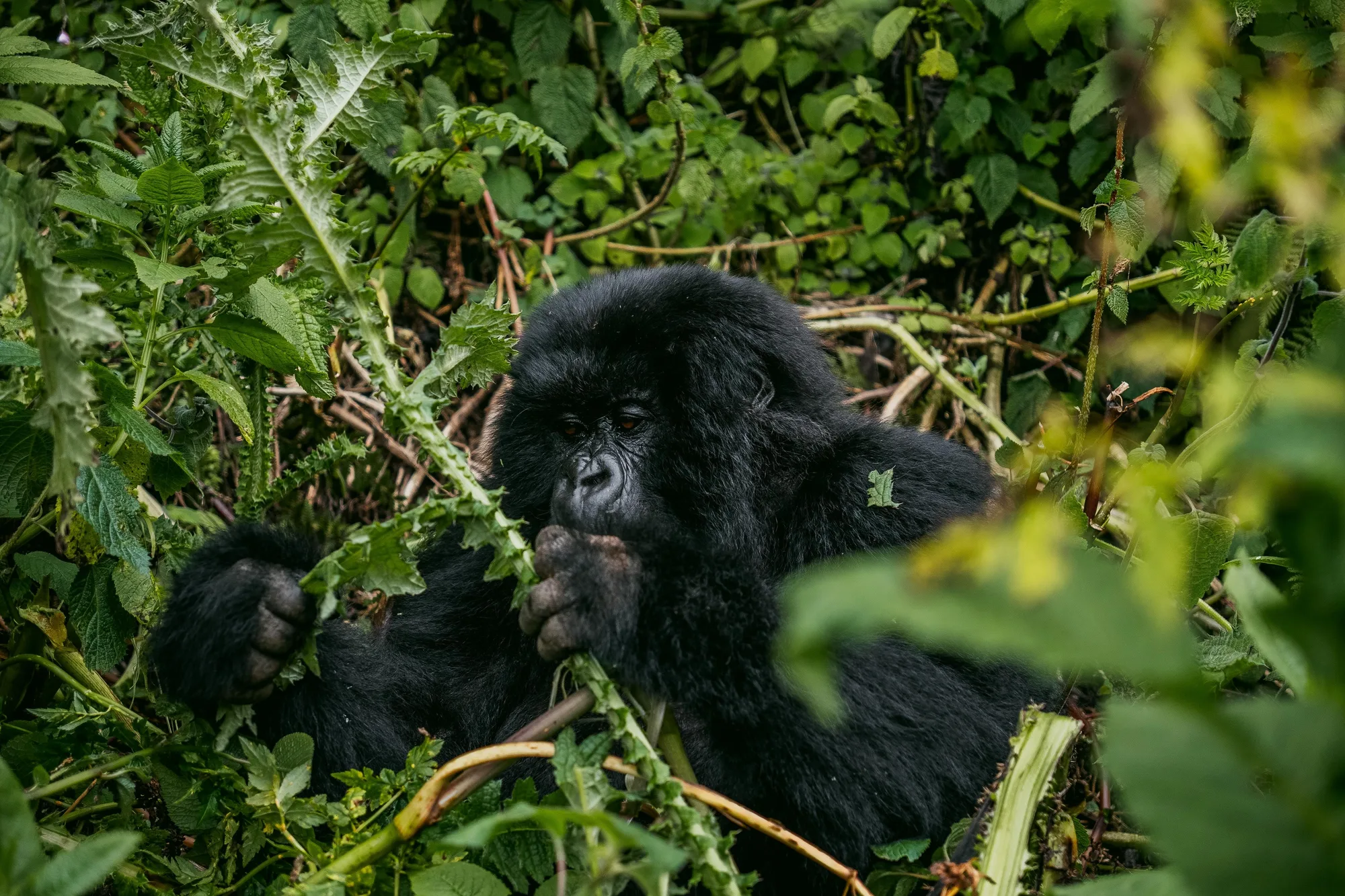
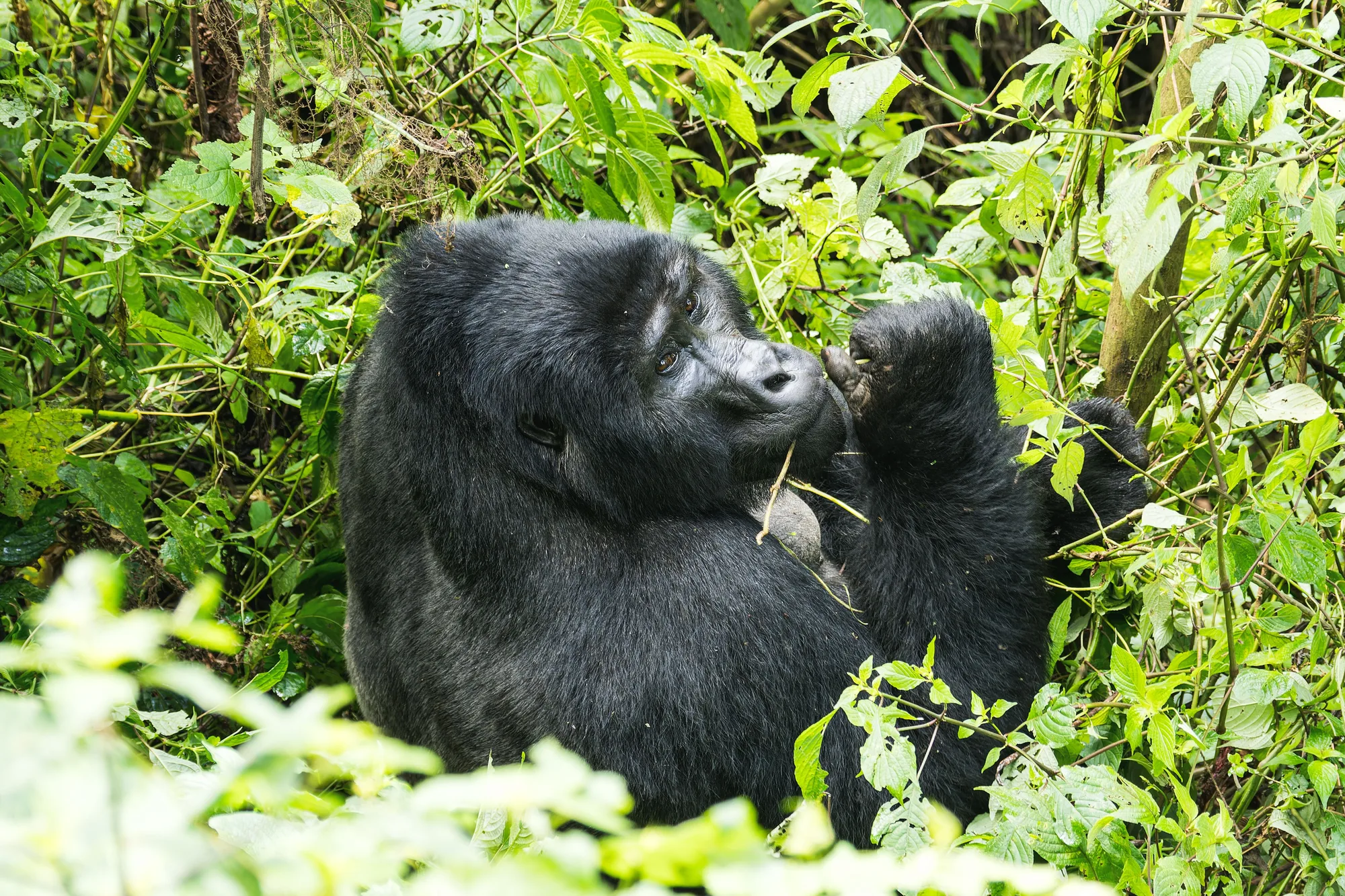
Bwindi Impenetrable National Park, a UNESCO World Heritage Site in southwestern Uganda, protects roughly half of the world's remaining mountain gorilla population within one of Africa's oldest rainforests, a tangle of vines, moss-draped hardwoods and steep, mist-shrouded ridges that has barely changed in 25,000 years. Gorilla trekking here begins with an early briefing at one of four trailhead sectors, followed by a hike that can range from a gentle hour to a gruelling five- or six-hour scramble through dense undergrowth and mud, led by trackers who have often followed the same habituated family group for years and can read fresh dung and bent vegetation like a map. The reward, once found, is a strictly limited hour in the presence of a gorilla family -- silverbacks the size of a small car settling disputes with a glance, juveniles wrestling in the undergrowth, mothers grooming infants entirely unconcerned by the small, quiet group of humans a few metres away. Permits are limited, expensive and must be booked well in advance through the Uganda Wildlife Authority, a deliberate scarcity that funds conservation and keeps visitor impact on habituated families low. Beyond gorillas, Bwindi holds over 350 bird species and, for the very fit, a rarer habituated-chimpanzee and golden-monkey trekking option in nearby Mgahinga. Most visitors base at a lodge on the park's edge in Buhoma or Ruhija, both offering views over the forest canopy and a genuine sense of remoteness rare anywhere else on a gorilla-trekking itinerary.
Trip Snapshot
Suitable For
Bwindi Impenetrable Forest, in frame
A quick visual sense of the landscapes, stays, and atmosphere your itinerary can be built around.
Bwindi Impenetrable Forest questions, answered
When is the best time to visit Bwindi Impenetrable Forest?
June to August, December to February (drier trails, easier trekking)
What is the weather like in Bwindi Impenetrable Forest?
Tropical rainforest highland, 11-23°C, cool and wet year-round
Do I need a visa to travel to Uganda?
e-Visa required for Indian nationals — Uganda accepts online applications only, no visa on arrival since 2016. Visa rules change without notice — confirm current requirements with the destination's embassy or consulate before you book.
What currency is used in Uganda?
UGX — Ugandan Shilling
What languages are spoken in Uganda?
English, Rukiga, Swahili
Build a Bwindi Impenetrable Forest itinerary around your dates.
Share your travel month, group size, budget comfort, and must-do experiences. The Taro team will shape the right route before any payment conversation.