Why Baalbek works
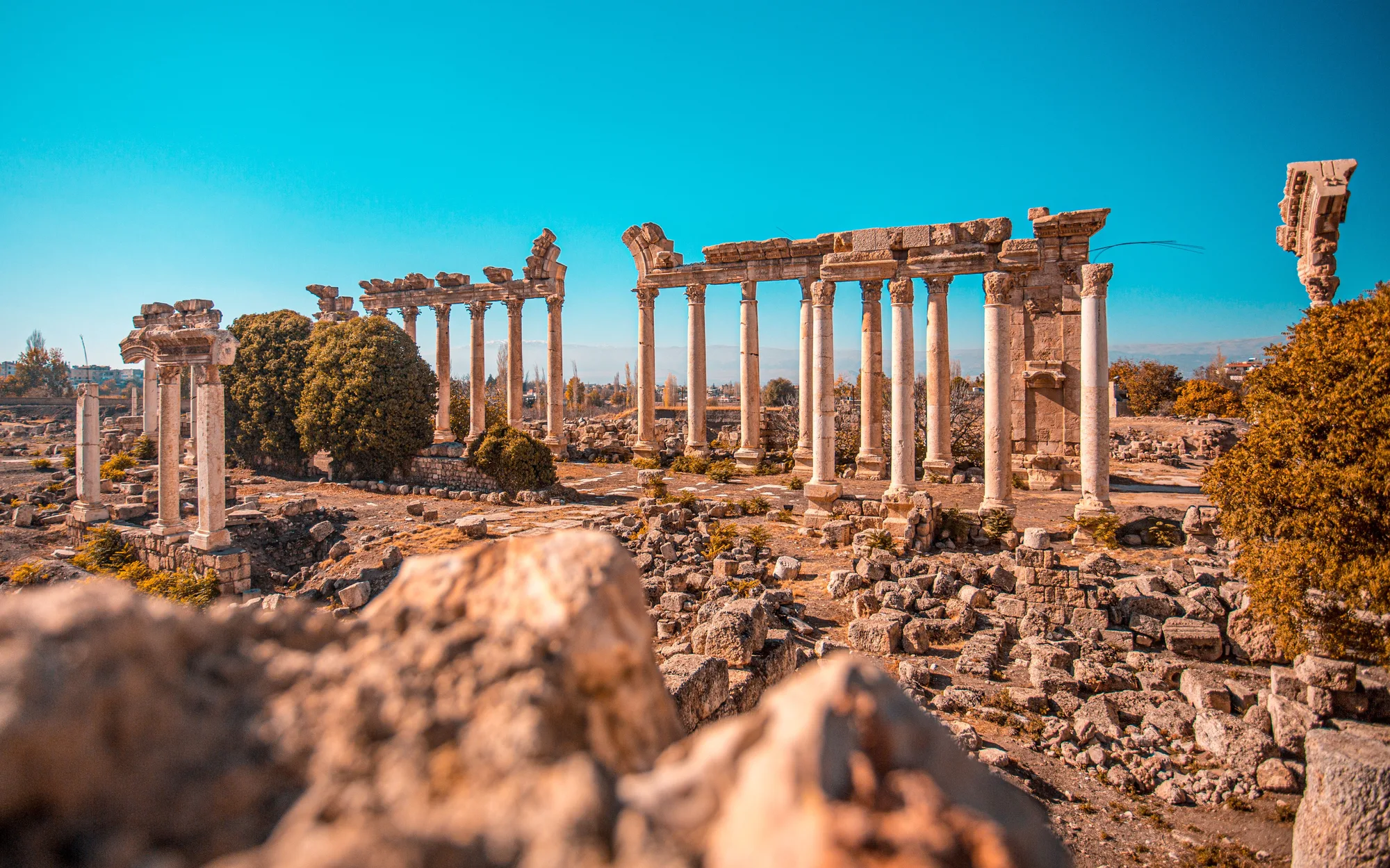
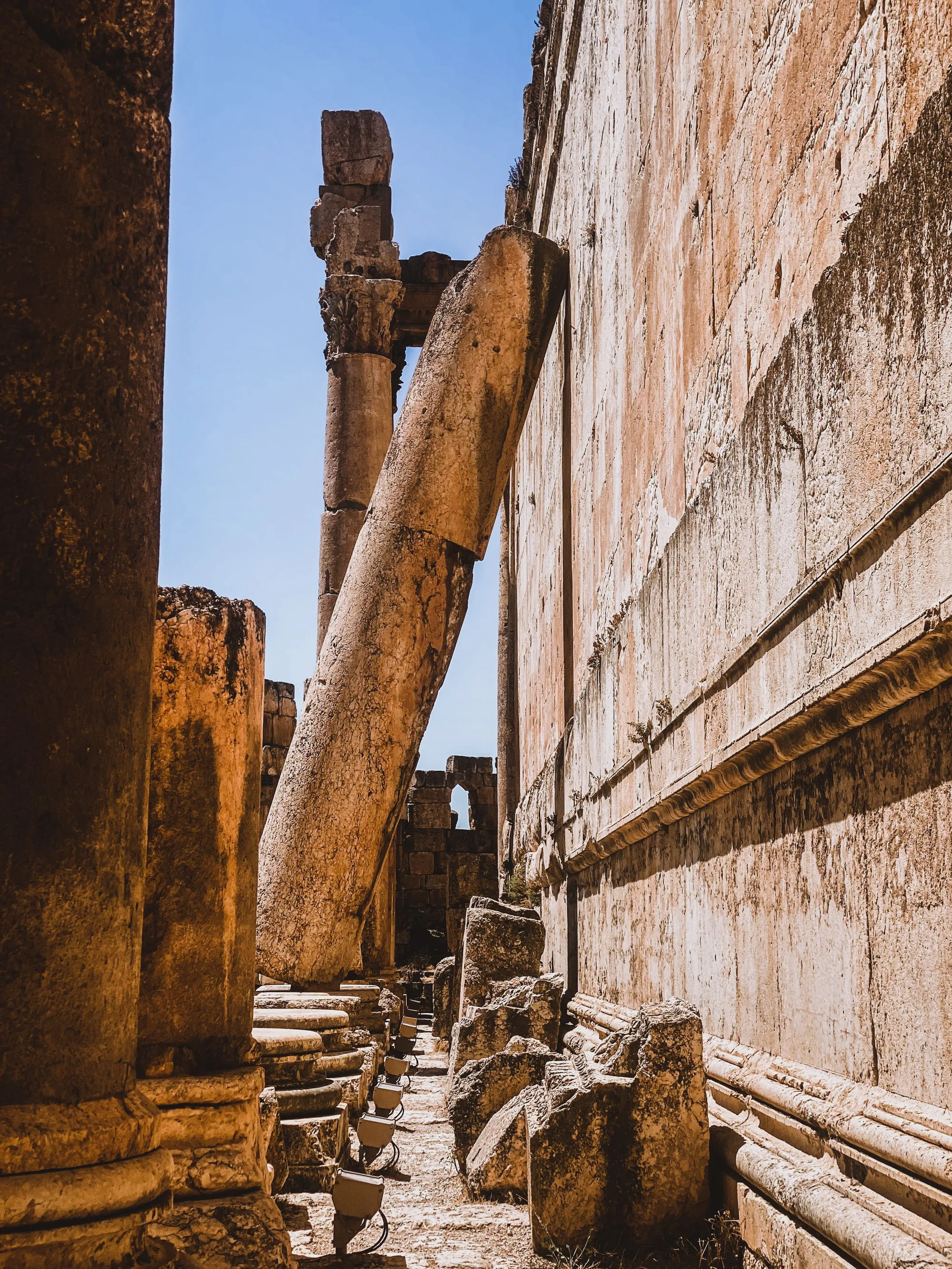
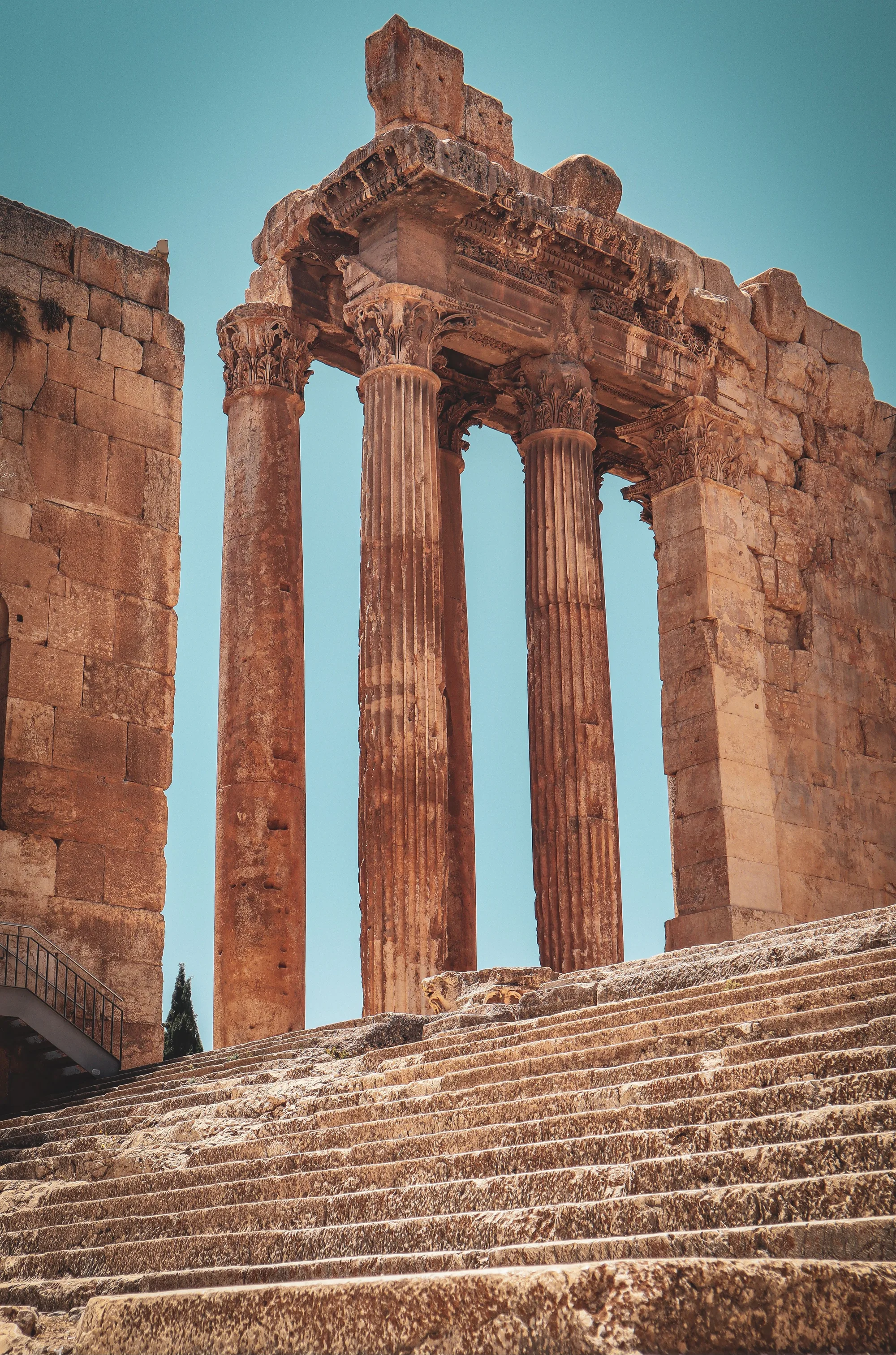
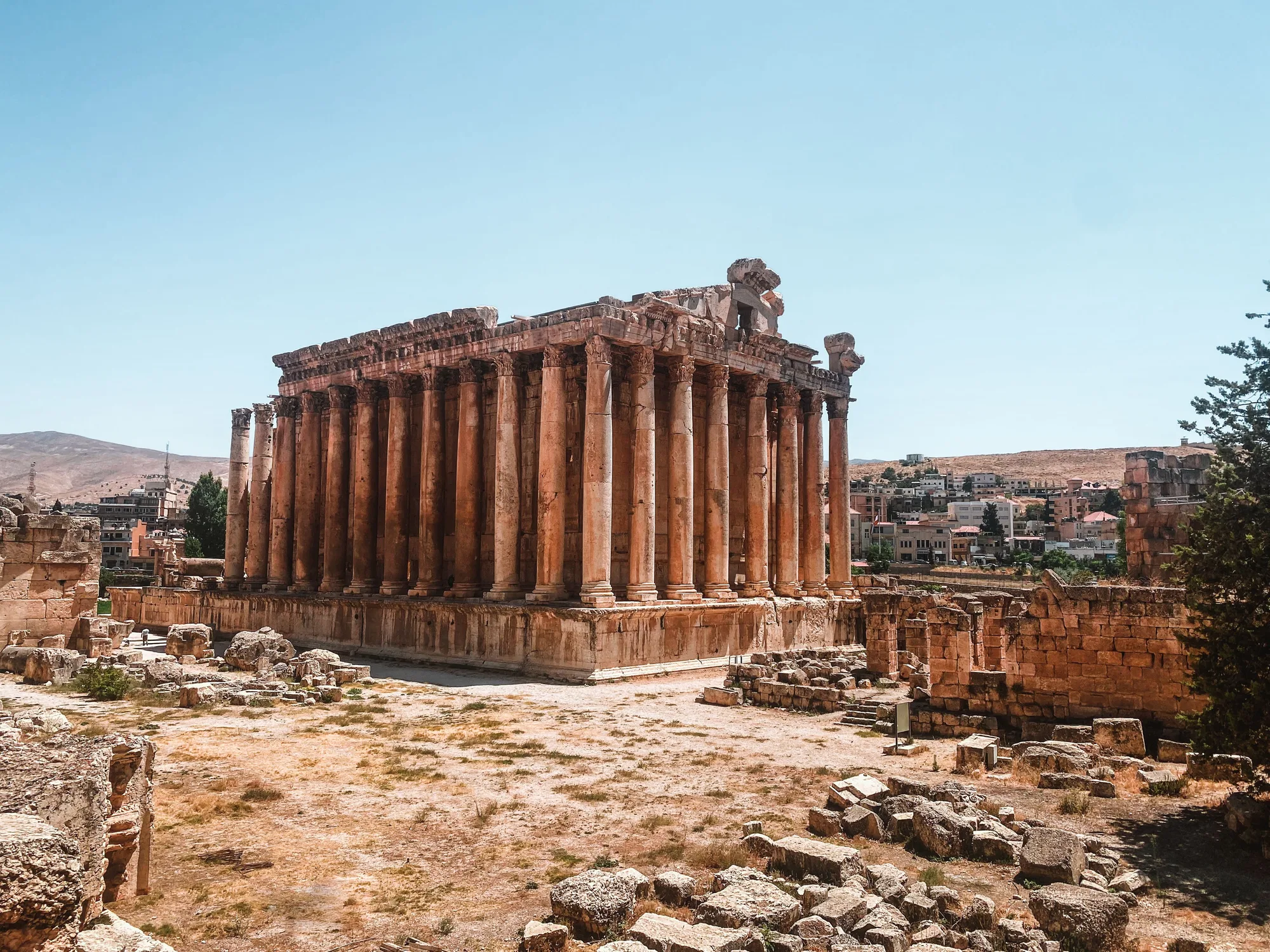
Baalbek, in Lebanon's fertile Bekaa Valley roughly 85 kilometres from Beirut, holds the most monumental Roman ruins anywhere outside Italy — the Temple of Jupiter, of which only six columns still stand, was the largest Roman temple ever constructed, its columns rising 20 metres and its base built atop stones so massive (some exceeding 800 tonnes) that their transport and placement remain a genuine engineering puzzle even by modern standards. The adjoining Temple of Bacchus, comparatively intact and often considered better preserved than the Parthenon, is ringed by 42 Corinthian columns nearly 20 metres tall and decorated with some of the finest surviving Roman relief carving anywhere, its interior cella still largely enclosed. The site's origins predate Rome considerably — Baalbek was a centre of worship for the Phoenician god Baal long before Roman rule, and the name itself reflects that older layer of religious significance beneath the imperial-era construction. The Temple of Venus, smaller and more delicate in design, and the Great Court's altar and basin complex round out a site substantial enough to occupy the better part of a full day. Baalbek's Bekaa Valley setting, ringed by mountains and known for its vineyards and agricultural fertility, adds a scenic dimension beyond the ruins themselves. As with Beirut, current regional security conditions in parts of the Bekaa Valley warrant careful advance checking of travel advisories, and visiting with an established local operator is strongly advised over independent travel.
Trip Snapshot
Suitable For
Baalbek, in frame
A quick visual sense of the landscapes, stays, and atmosphere your itinerary can be built around.
Baalbek questions, answered
When is the best time to visit Baalbek?
April to June, September to November
What is the weather like in Baalbek?
Continental Bekaa Valley, hot dry summers, cold winters
Do I need a visa to travel to Lebanon?
Visa required for Indian nationals, generally arranged in advance rather than on arrival — check current entry requirements and travel advisories closely given regional instability before booking. Visa rules change without notice — confirm current requirements with the destination's embassy or consulate before you book.
What currency is used in Lebanon?
LBP — Lebanese Pound
What languages are spoken in Lebanon?
Arabic, French and English widely spoken
Build a Baalbek itinerary around your dates.
Share your travel month, group size, budget comfort, and must-do experiences. The Taro team will shape the right route before any payment conversation.