Why Alaska Cruise works
Alaska is a U.S. state in the northwestern corner of North America, sharing a land border with Canada's Yukon and British Columbia and separated from the rest of the United States by roughly 500 miles of Canadian territory. It is the northernmost, westernmost, and, because the Aleutian Islands cross into the Eastern Hemisphere, the easternmost state in the country. Its coastline, cut into countless islands, fjords, and inlets, runs longer than that of all other U.S. states combined, and its western waters come within a few miles of Russia's Chukotka region across the Bering Strait. At more than twice the size of Texas, the second-largest U.S. state, Alaska is the largest state in the country by a wide margin, spanning everything from Arctic tundra in the north to temperate rainforest along its southeastern panhandle.
Long before Russian or American claims reached the region, Indigenous peoples had built distinct societies here, including the Tlingit, organized around a matrilineal system of inheritance, and the Haida, known for their arts, both centered in what is now Southeast Alaska. Russian explorers and fur traders arrived in the eighteenth century following Vitus Bering's expedition for the Russian Navy, and established the territory's first permanent European settlement soon after; Spain also sent expeditions along this coast in the same period, leaving behind place names such as Valdez and Cordova. Alaska's own path to statehood gathered momentum after a 1946 territorial referendum and the work of its Constitutional Convention; the U.S. Congress approved statehood on July 7, 1958, and Alaska was officially proclaimed a state on January 3, 1959.
Most visitors reach Alaska through its Southeast, also called the Panhandle or the Inside Passage, a region dominated by the Alexander Archipelago and the Tongass National Forest, the largest national forest in the United States. This is where the state capital, Juneau, sits alongside the historic former capital, Sitka, and Ketchikan; because only a handful of communities here connect to the road system, the Alaska Marine Highway ferry network is often the practical link between towns. Inland and farther north lie very different landscapes: the volcano-studded Aleutian Islands stretching toward Asia, the broad Interior around Fairbanks, and the Arctic beyond the Brooks Range. Glaciers are part of the state's scale — the Bering Glacier, the largest in North America, covers more than 2,000 square miles on its own — and the tides in Turnagain Arm, just south of Anchorage, are counted among the largest in the world.
Alaska's size produces sharply different climates between coast and interior. Southeast Alaska has a mild, wet oceanic climate with the state's warmest winters, and Ketchikan alone averages well over one hundred inches of precipitation a year. The Interior around Fairbanks, by contrast, has a classic continental subarctic climate of short, warm summers and long, severe winters, while the far north beyond the Brooks Range is Arctic, with light snowfall that tends to stay on the ground nearly all year. This range of habitat supports roughly 112 native mammal species, from gray wolves, black and brown bears, and moose to walrus and sea otters along the coast, more than 500 recorded bird species, and coastal waters used by orca, humpback, and gray whales.
Because Alaska has no county system, its populated areas are organized into boroughs rather than counties, with much of the state's land falling into the Unorganized Borough, administered directly by the state government rather than a local one. Fishing remains central to both the economy and the table: salmon, cod, pollock, and crab are the state's leading export products after oil and natural gas. Alaska Native cultural institutions, such as the Alaska Native Heritage Center representing the state's eleven cultural groups, are part of how the state presents its history and art to visitors, and annual events like the Iditarod Trail Sled Dog Race from Anchorage to Nome and the Sitka Whale Fest reflect a place where distance and season still shape daily life.
- Alaska — Wikipedia, CC BY-SA 4.0
Text adapted from the linked articles under CC BY-SA 4.0; edited for length.
Trip Snapshot
Highlights
Suitable For
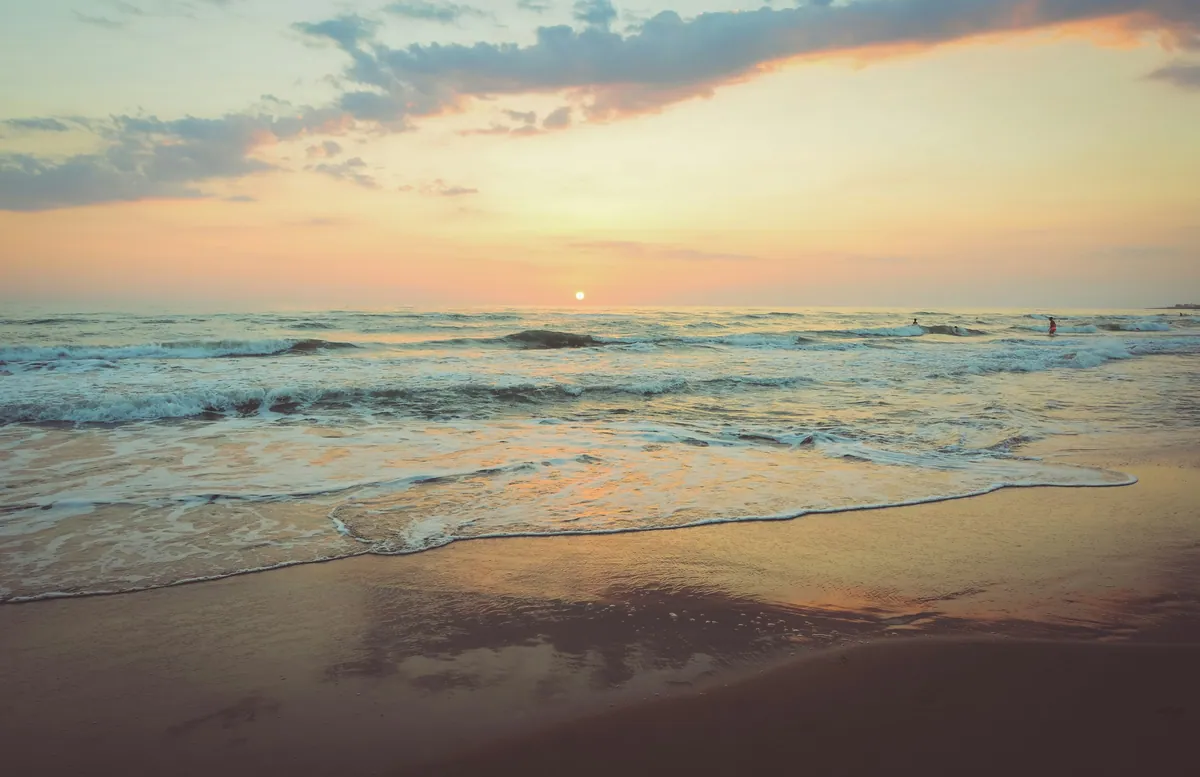
Alaska Cruise, in frame
A quick visual sense of the landscapes, stays, and atmosphere your itinerary can be built around.
Build a Alaska Cruise itinerary around your dates.
Share your travel month, group size, budget comfort, and must-do experiences. The Taro team will shape the right route before any payment conversation.