Why Al Ain works
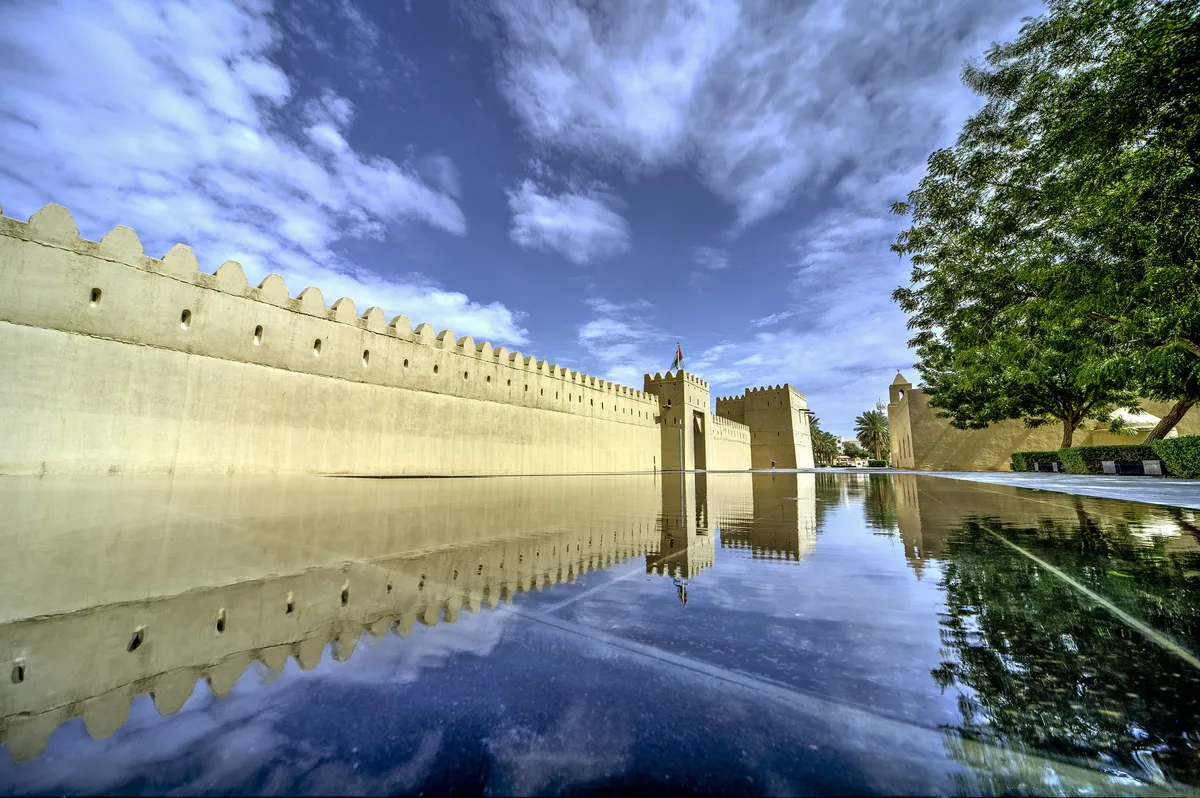
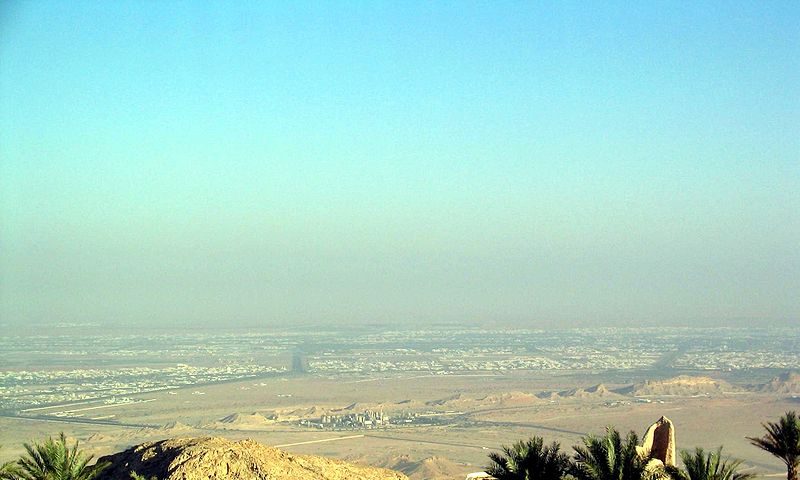
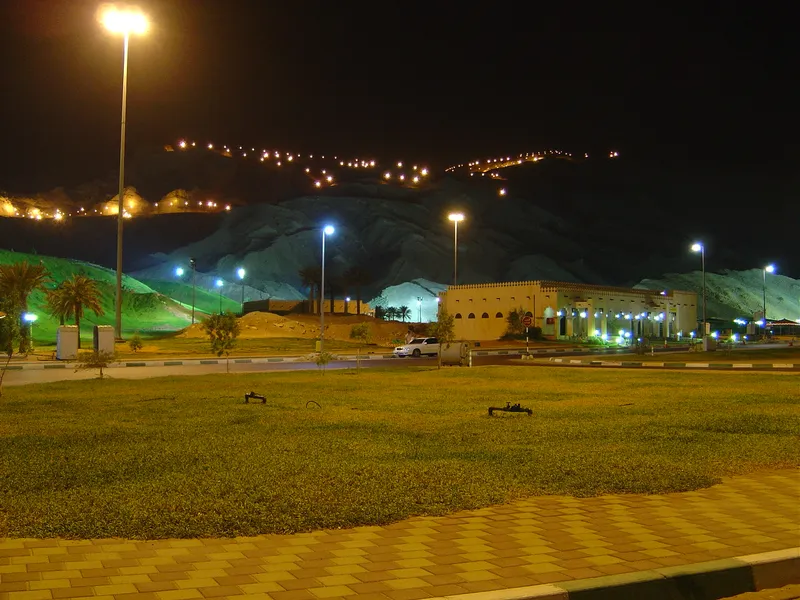
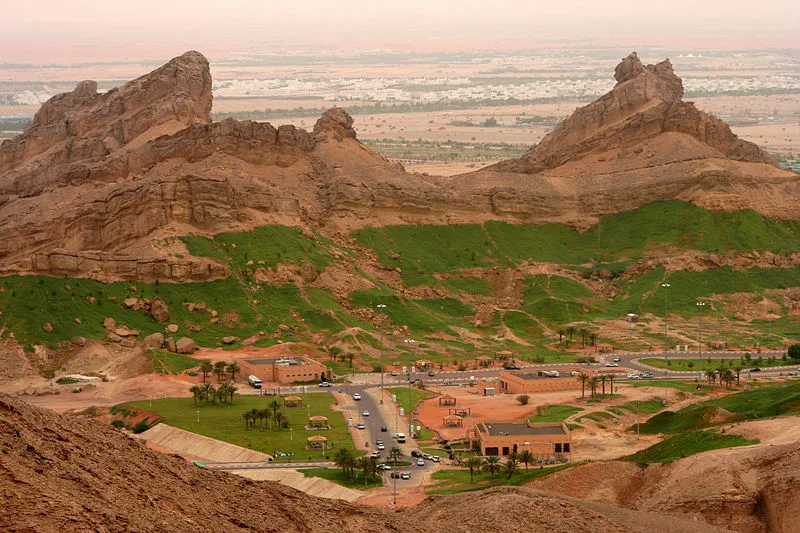
Al Ain is where the Al Nahyan family's roots run deepest, and it shows in the city's unusually green, low-rise character — falaj irrigation channels still water a 3,000-year-old date palm oasis at its centre, a UNESCO World Heritage Site walkable in an hour. Jebel Hafeet, the UAE's second-highest peak, is reached by one of the world's great driving roads: 60 hairpin turns climbing to a summit café with views across Oman's border, best timed for sunset. At its base, hot mineral springs and the Mercure Grand Jebel Hafeet Hotel draw weekend visitors from Abu Dhabi and Dubai alike. Al Ain Zoo runs conservation programmes for Arabian wildlife including oryx and cheetah, while Al Jahili Fort — restored and free to enter — hosts a permanent exhibition on explorer Wilfred Thesiger's Empty Quarter crossings. The camel souk, though smaller than in decades past, still runs genuine morning trading. Al Ain's cooler, drier inland climate and heritage-forward pace make it a natural half-day or overnight add-on from Abu Dhabi, especially for travellers wanting Bedouin and oasis history without a full desert expedition.
Trip Snapshot
Suitable For
Al Ain, in frame
A quick visual sense of the landscapes, stays, and atmosphere your itinerary can be built around.
Al Ain questions, answered
When is the best time to visit Al Ain?
November to March
What is the weather like in Al Ain?
Desert, hotter and drier than the coast, 15-42°C
Do I need a visa to travel to UAE?
e-Visa required for Indian nationals (apply online before travel). Visa rules change without notice — confirm current requirements with the destination's embassy or consulate before you book.
What currency is used in UAE?
AED — UAE Dirham
What languages are spoken in UAE?
Arabic, English widely spoken
Build a Al Ain itinerary around your dates.
Share your travel month, group size, budget comfort, and must-do experiences. The Taro team will shape the right route before any payment conversation.